
Michelangelo Paintings


Andrea Quaratesi By Michelangelo Buonarroti

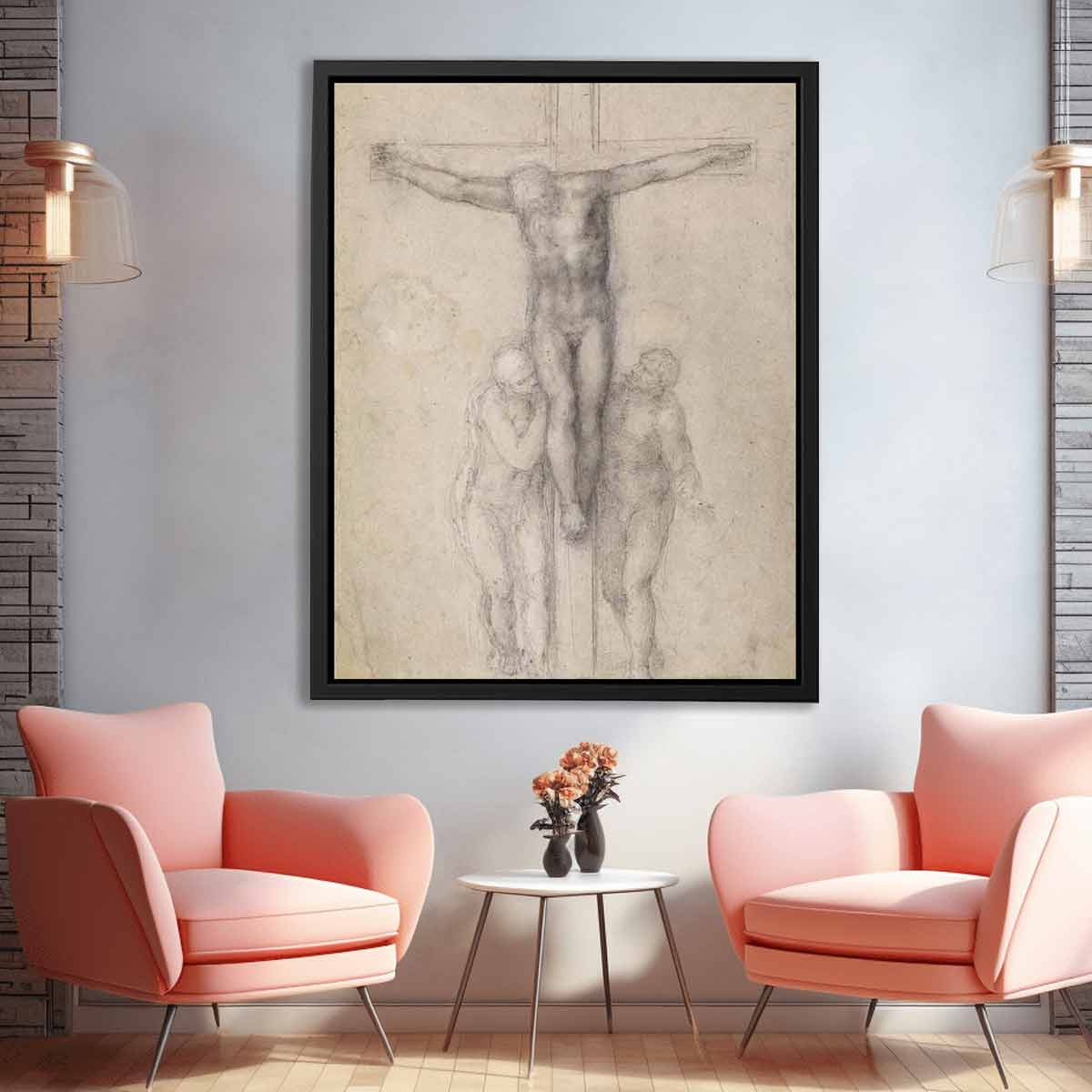
Christ on the Cross between the Virgin and St John By Michelangelo Buonarroti


Kneeling Male Nude, Seen from the Rear By Michelangelo Buonarroti

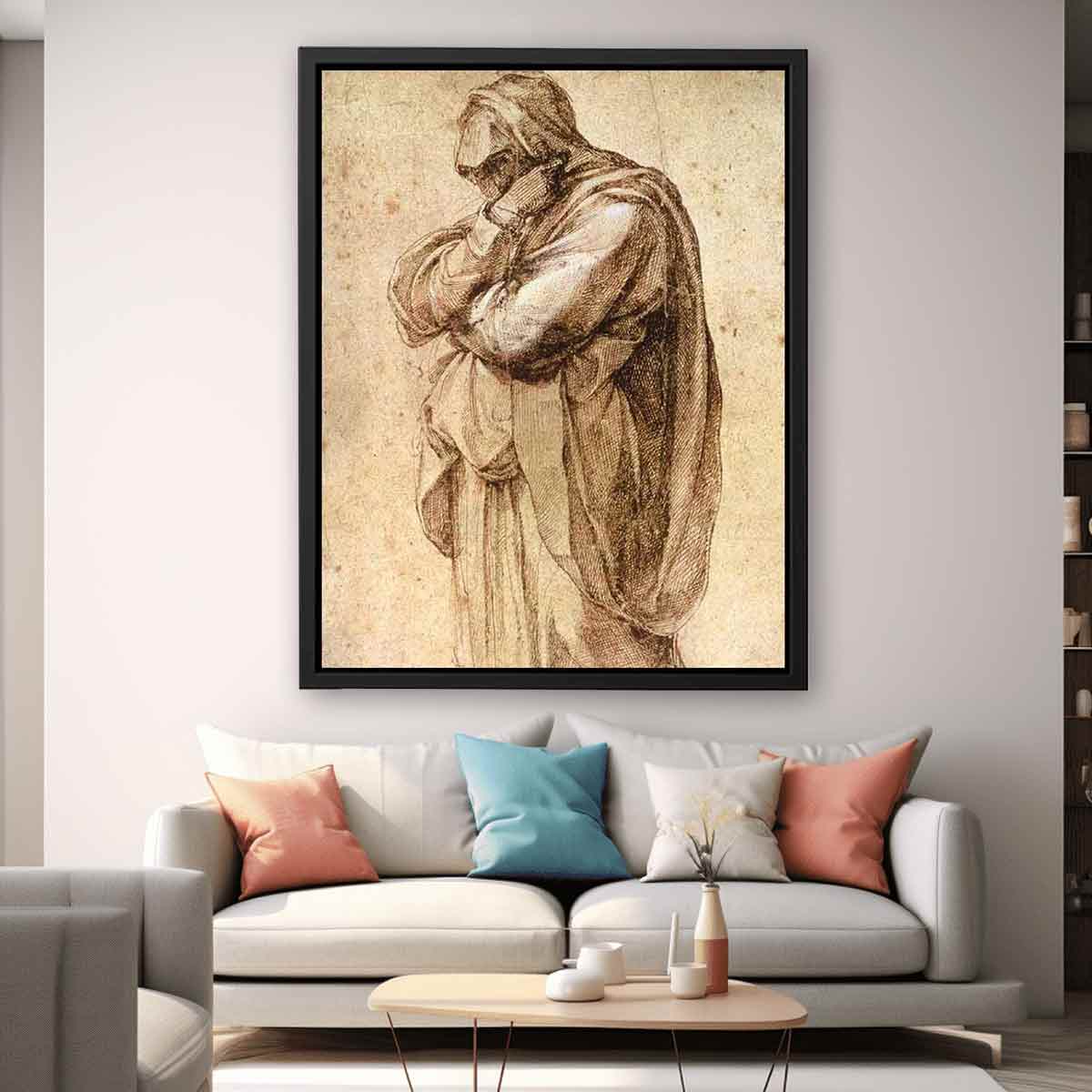
Study of a Mourning Woman by Michelangelo Buonarroti, pen and brown ink heightened with white


Lamentation (recto), c. 1530 By Michelangelo Buonarroti


Studies of a leg and foot sketched the other way up By Michelangelo Buonarroti


Virgin and Child with St John and Angels By Michelangelo Buonarroti


Crucifixion of Saint Peter By Michelangelo Buonarroti

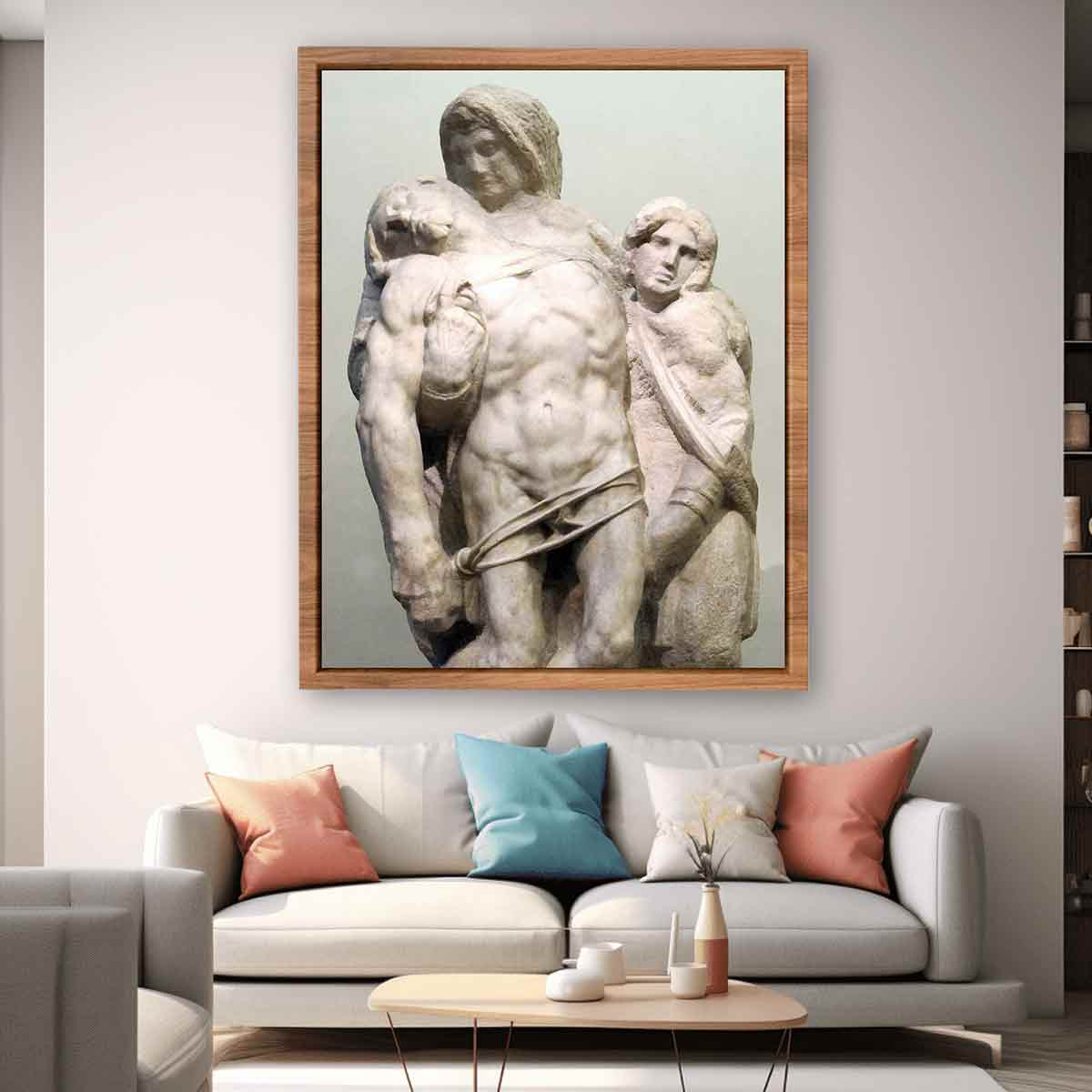
Palestrina Pietn By Michelangelo Buonarroti


MICHELANGELO Buonarroti Plan for a Church

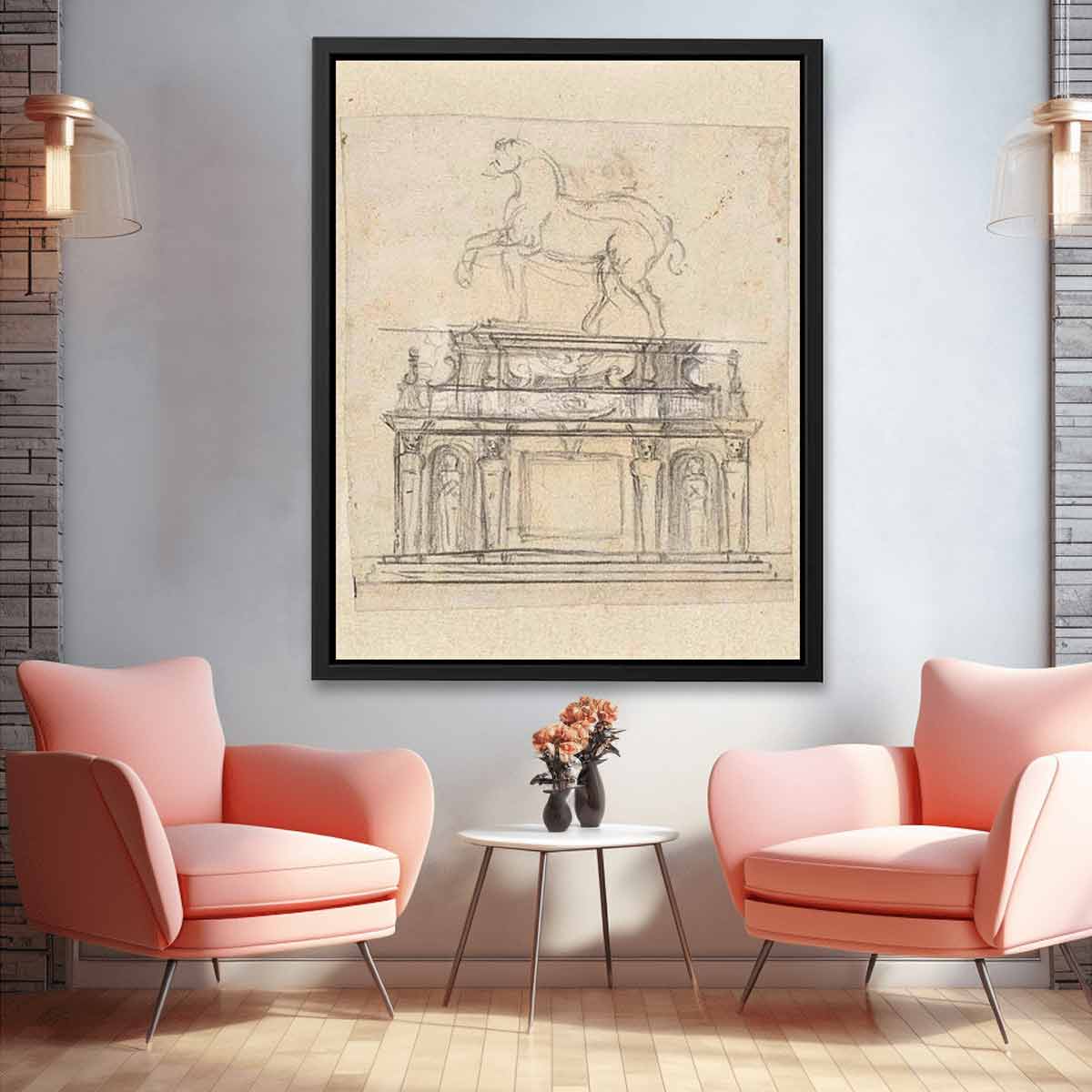
Design for an Equestrian Statue of Henry II of France, RP-T-1953-140 By Michelangelo Buonarroti


Three Studies of a Leg By Michelangelo Buonarroti
Medallion


MICHELANGELO Buonarroti Study for Porta Pia

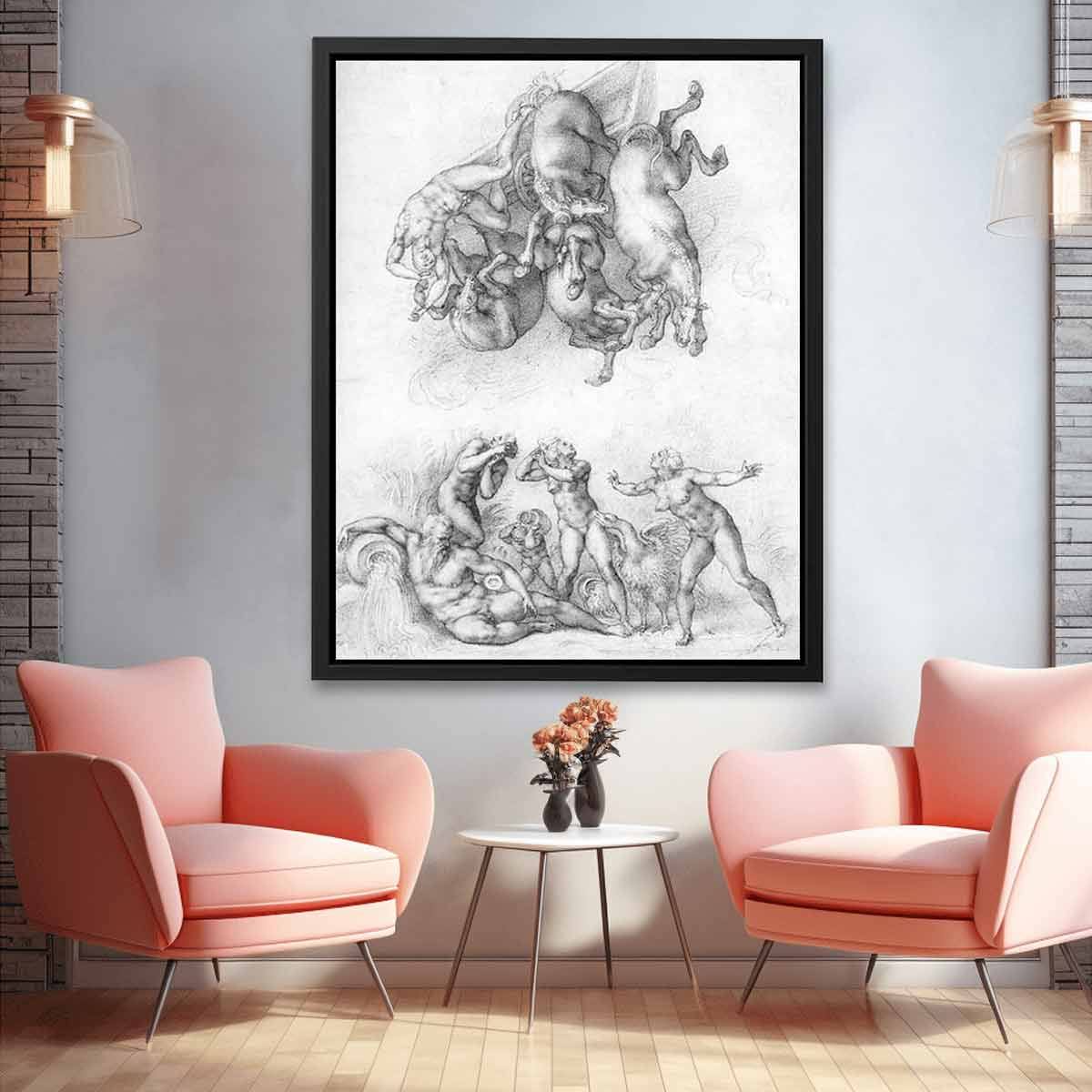
The Fall of Phaeton By Michelangelo Buonarroti

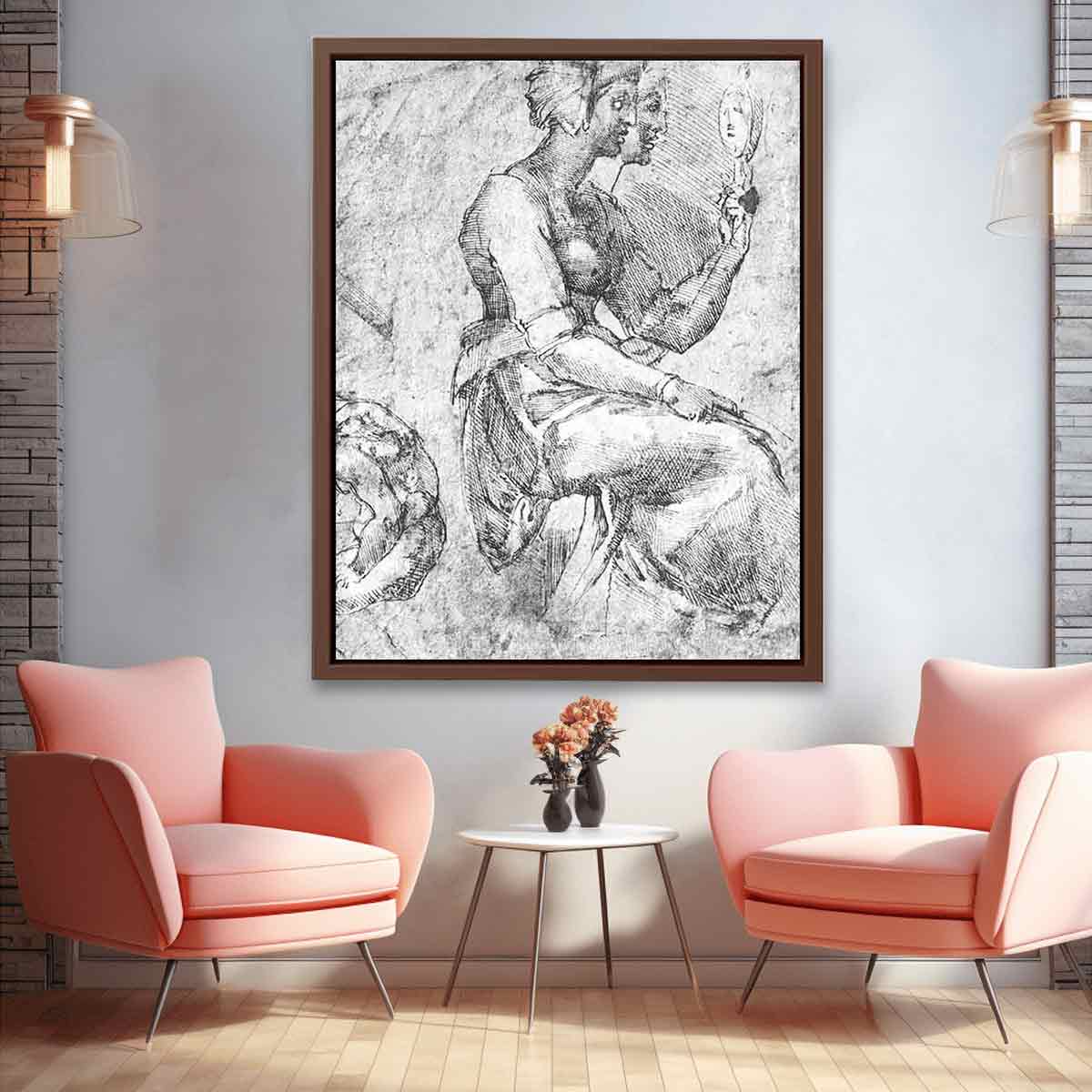
Study of a Seated Woman By Michelangelo Buonarroti


Rebellious Slave Edit this at Wikidata By Michelangelo Buonarroti


Study For Christ On The Cross With Mourners By Michelangelo Buonarroti


Study for a Holy Family with the Infant St.John By Michelangelo Buonarroti

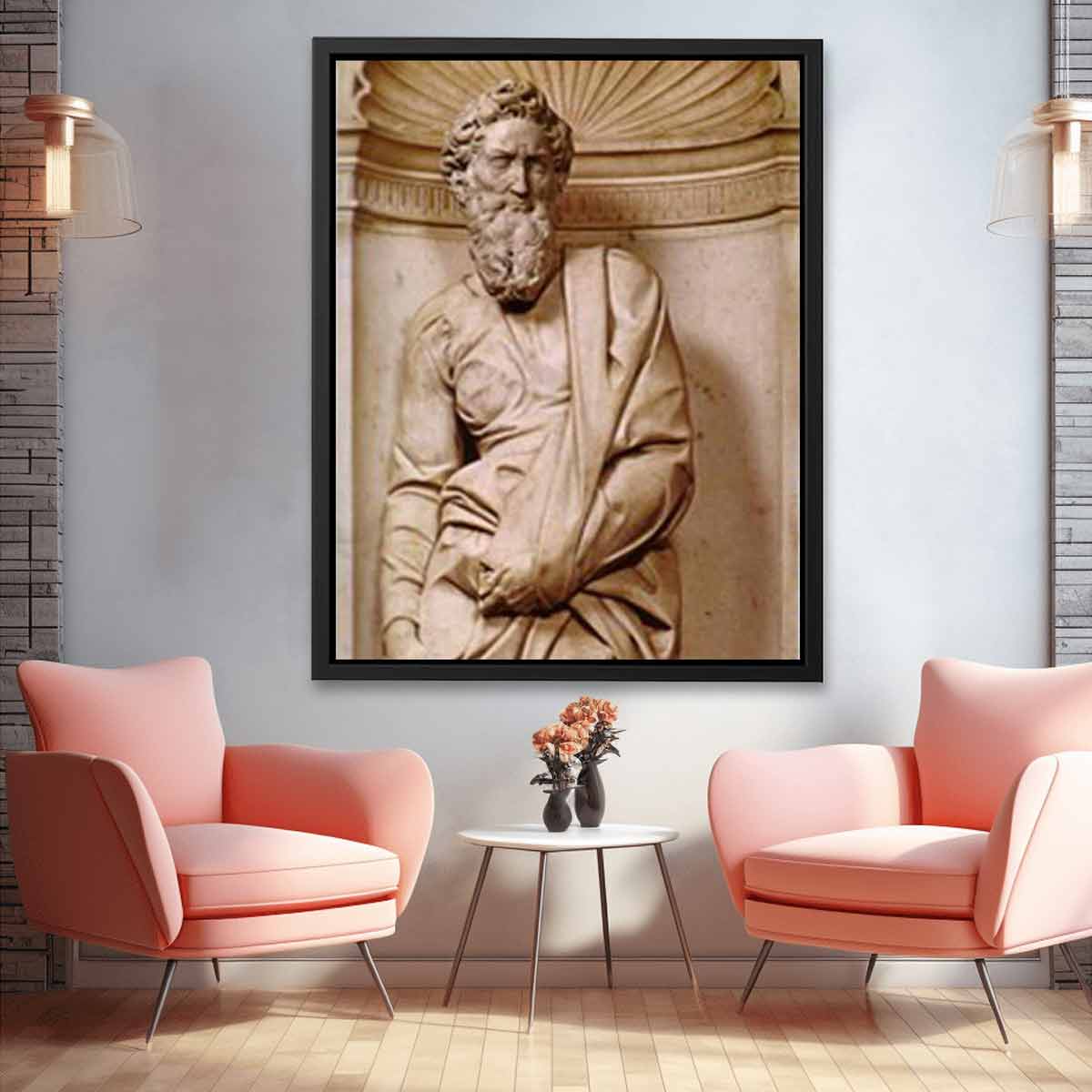
St. Paul, by Michelangelo Buonarroti, Duomo di Siena


Recto The figure of Haman and three studies of detail c. 1600 By Michelangelo Buonarroti


Ancestors of Christ: David and Solomon By Michelangelo Buonarroti

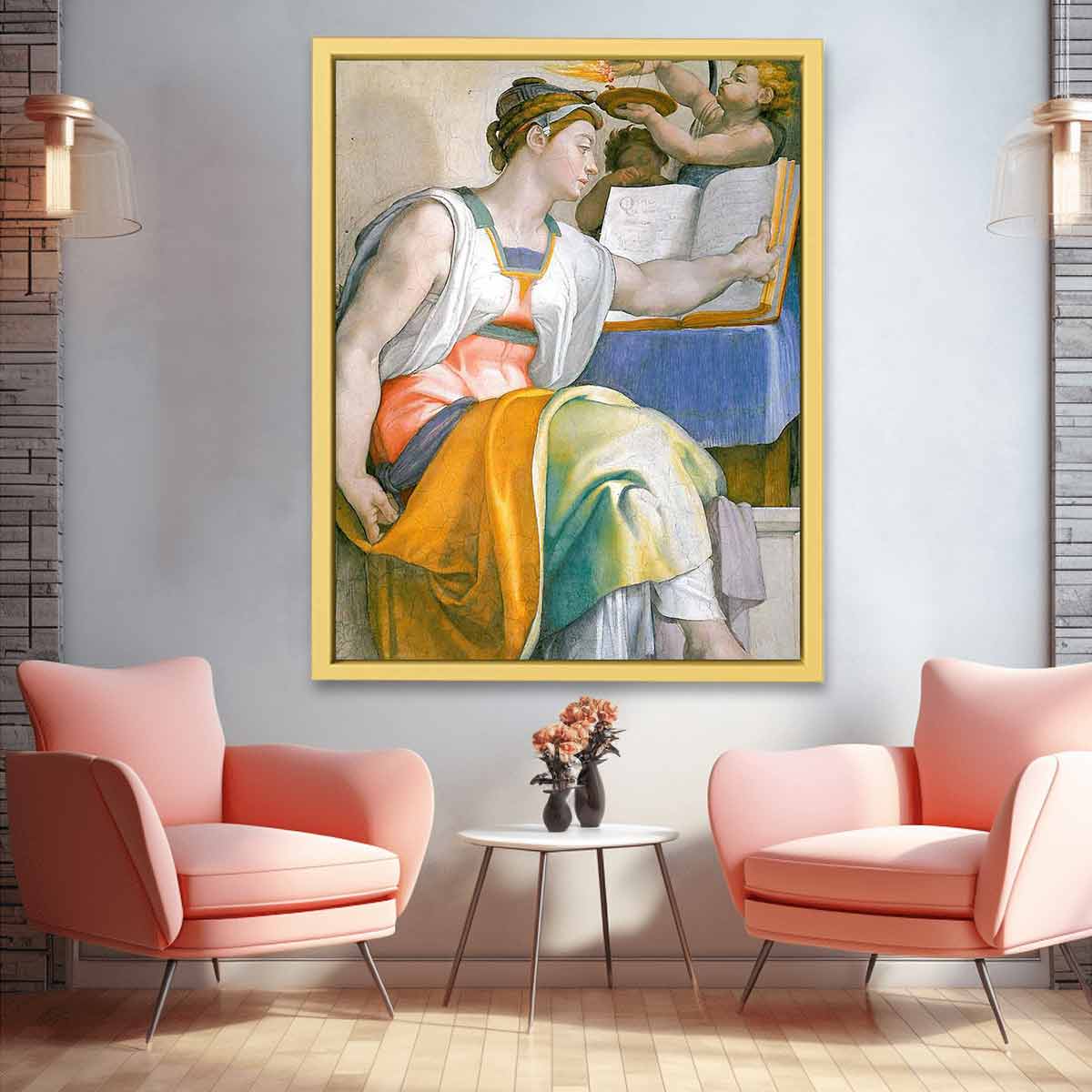
fresco painted by Michelangelo Buonarroti and his assistants for the Sistine Chapel in the Vatican between 1508 to 1512


tomb monument of Giuliano di Lorenzo de' Medici, ornamented with the Night and Day along with a statue of Giuliano By Michelangelo Buonarroti


Resurrection of Christ By Michelangelo Buonarroti

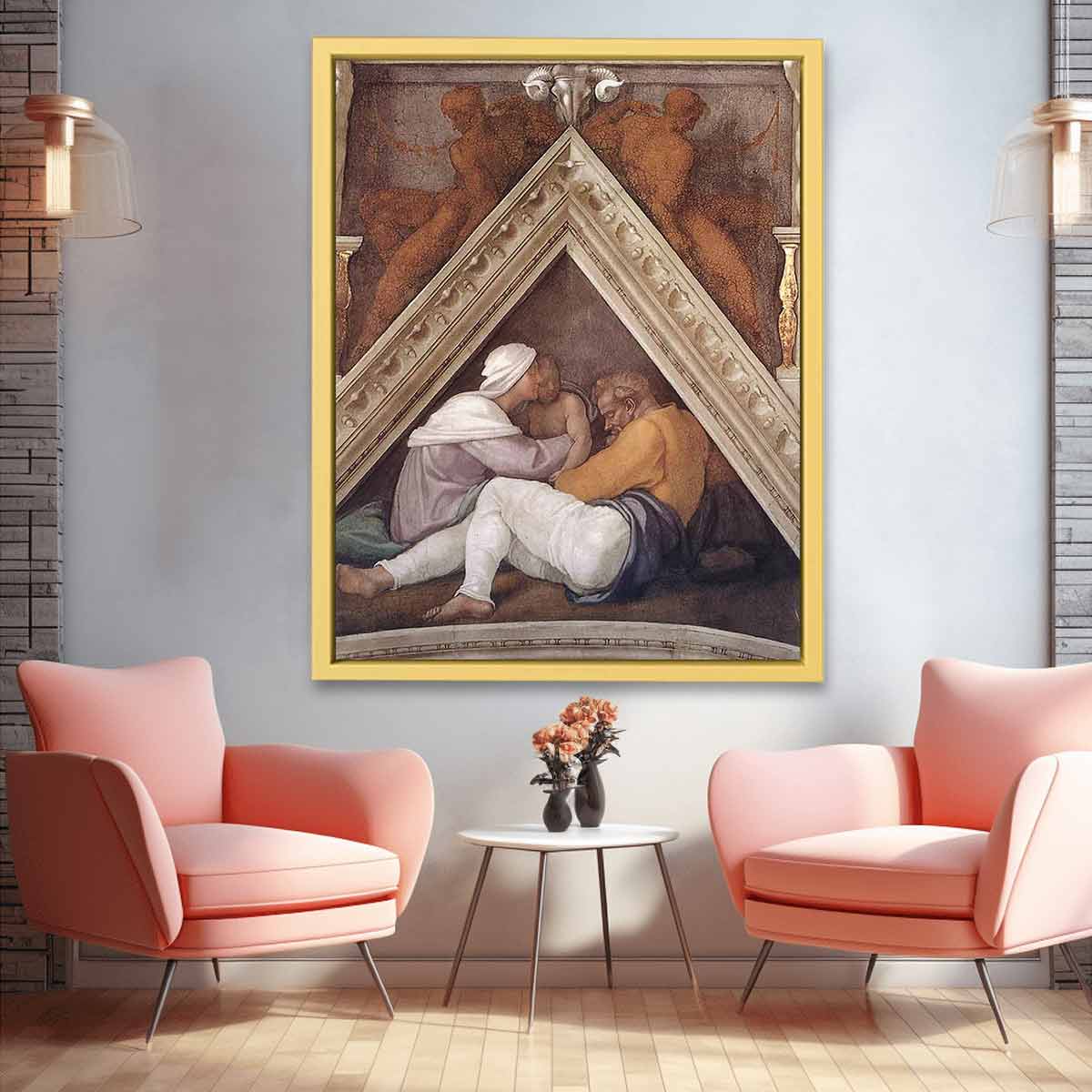
Ancestors of Christ: figures By Michelangelo Buonarroti


Ignudo By Michelangelo Buonarroti


The Fall and Expulsion from Paradise By Michelangelo Buonarroti


Creation of stars and planets By Michelangelo Buonarroti


Ezekiel By Michelangelo Buonarroti


Study for the Colonna Pietà By Michelangelo Buonarroti

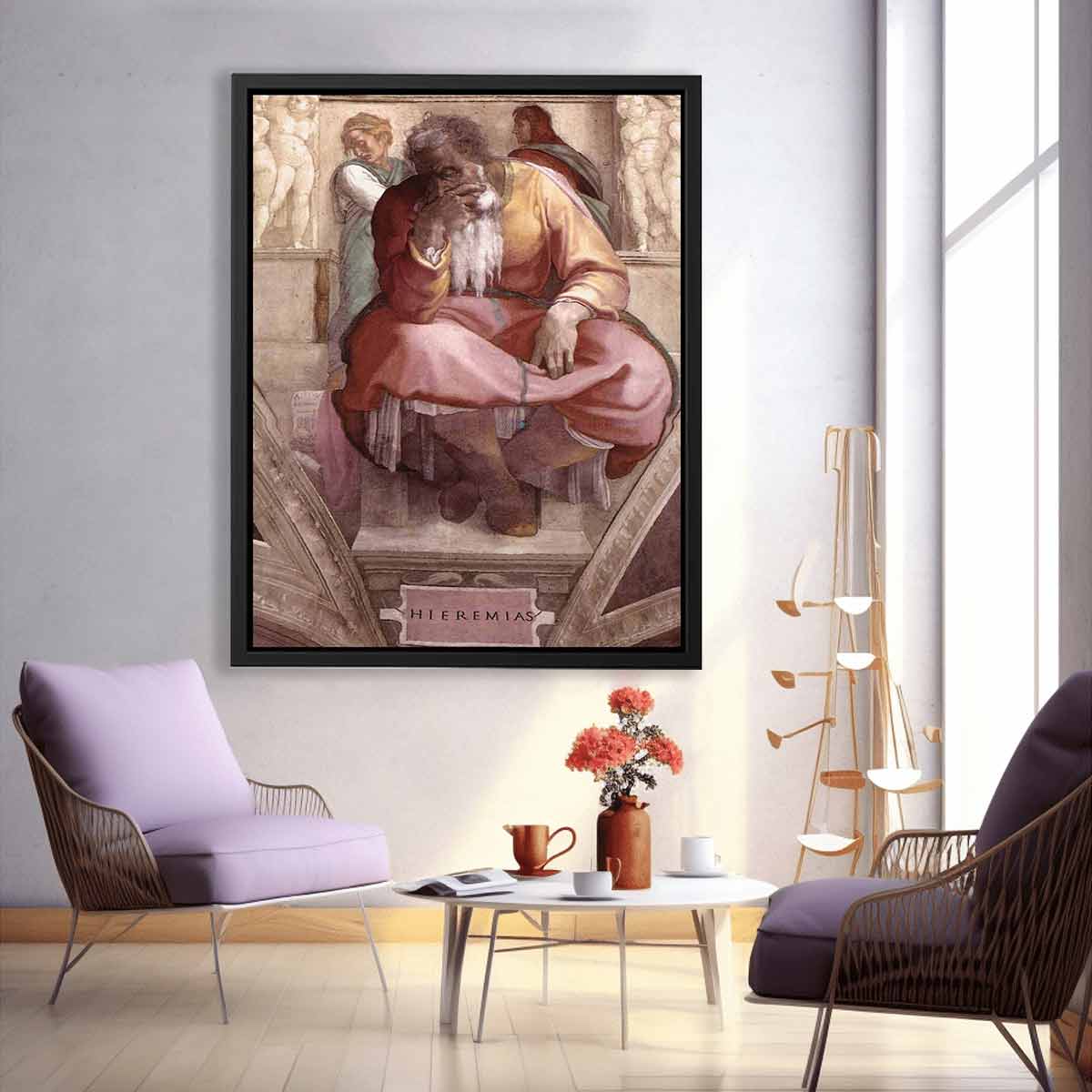
Jeremiah By Michelangelo Buonarroti


Study for Porta Pia By Michelangelo Buonarroti


Ancestors of Christ: figures (detail) By Michelangelo Buonarroti

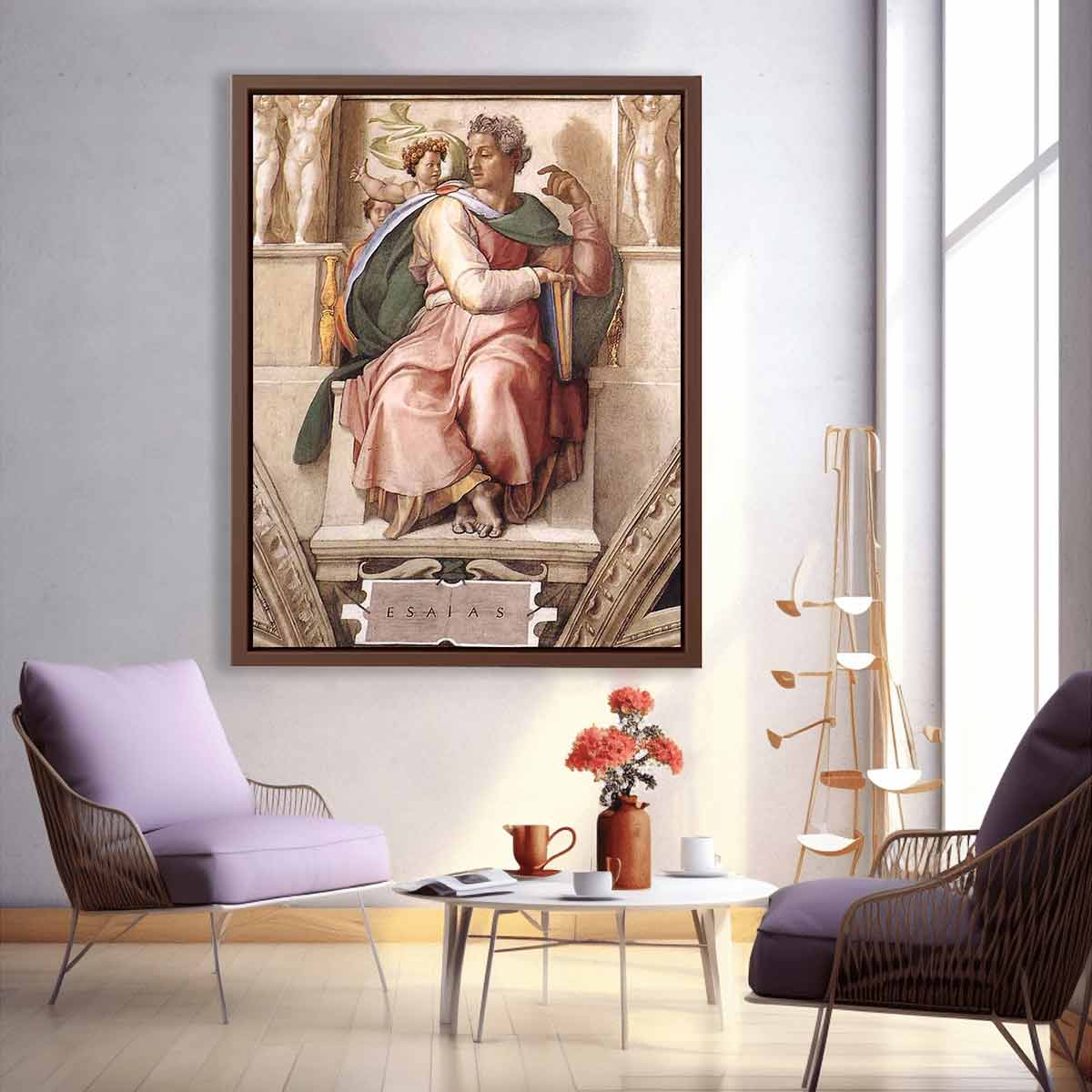
Isaiah By Michelangelo Buonarroti
Ancestors of Christ- figures (2) 1509


Ignudo By Michelangelo Buonarroti


Moses By Michelangelo Buonarroti


Museo del Bargello. Bruto, por Miguel Ángel. By Michelangelo Buonarroti


Studies By Michelangelo Buonarroti
Michelangelo di Lodovico Buonarroti Simoni- an artisan who painted with his brains and not his hands.
Michelangelo was an Italian Renaissance sculptor, painter, architect, and poet who was believed to bring revolution in western art. His art gave a completely new face to the vision of Western art. He was known as the greatest artist of his time. Nobody till now has imparted the kind of masterpiece that he produced during his time. So, it wouldn't be wrong to say that he was considered the greatest living artist of all time. Michelangelo believed that the true work of art is but a shadow of Divine perfection. His arts are still being preserved in the museums and have also been considered the top 10 pieces of art in the world. Looking for his painting replicas, commission artwork of this famous Artist.
Michelangelo's journey- though challenging yet commendable
This Italian artist was born on March 6, 1475, in Caprese, Republic of Florence, Italy, and continued to display his professionalism in art till February 18, 1564, in Rome, Papal States.
Michelangelo Parents
Although Michelangelo family was Imperial in Florence after the artist was born, they lost their nobility and status. His father a government job employee and administrator in the small dependent town of Caprese. But choosing the journey of art was not very encouraging for Michelangelo. He wanted to become an apprentice, but his father had objections. Finally, after a lot of hassle, he was apprenticed to the most prominent painter in the city, Domenico Ghirlandaio, for three years. But he left just after one year because he thought there was nothing more to learn. So Michelangelo started producing his own art. Some of his great works were the statue of Bacchus, the frescoes on the ceiling of the Sistine Chapel. His very famous sculptures were the David, which is now in the Academia in Florence, and the Pietà, which is now in Saint Peters Basilica in Vatican City.
Michelangelo's Masterpieces
Bacchus- one of the most controversial sculptures
Michelangelo's one of the most controversial yet unbelievable sculptures was the Bacchus (1496-97). It was the statue that depicted the Roman God of wine perilously roosted on a rock completely drunk. On the one hand, he holds a chalice and in a state that indicates that he is about to sip his wine, where is in the other hand, he holds a lion skin which is a symbol of death. It is a mythological belief of Hercules. From behind his left leg, a satyr is peaking, which is significant to the cult of Bacchus, often representing a lusty drunken idol. It was Michelangelo's earliest work that was subjected to a lot of controversies.
The Praiseworthy Pieta
His other work was produced in 1498 – 99. It was named Pietà. This was the first of several Pietà Michelangelo worked on during his lifetime. It is one of the most famous cultures in the world in which the body of Jesus is lying on the lap of his mother after the crucifixion. It is still preserved and displayed in the Saint Peters basilica church in Vatican City, Rome.
The Detailed David
Another great masterpiece of Michelangelo was produced in 1501- 04, called David. It was a 17-foot tall statue the depicted the prophet David who looked confident and nude, holding his slingshot that he used to kill Goliath. The exceptional detailing of this culture still leaves the visitors awestruck. It is now present in Galleria Dell'Accademia, in Florence.
And the list of his masterpieces goes on. In fact, he was the first Western artist whose life was documented when he was alive, and it was also published.
Michelangelo – The Renaissance man
His artistic versatility no doubt bought a revolution in western art. Every sculptor carved by him has so much vehemence of emotion and earnestness that even after decades, it still inspires the artists and painters to dig out the incredibility of art that has stayed hidden after Michelangelo was gone.