
Rembrandt Paintings

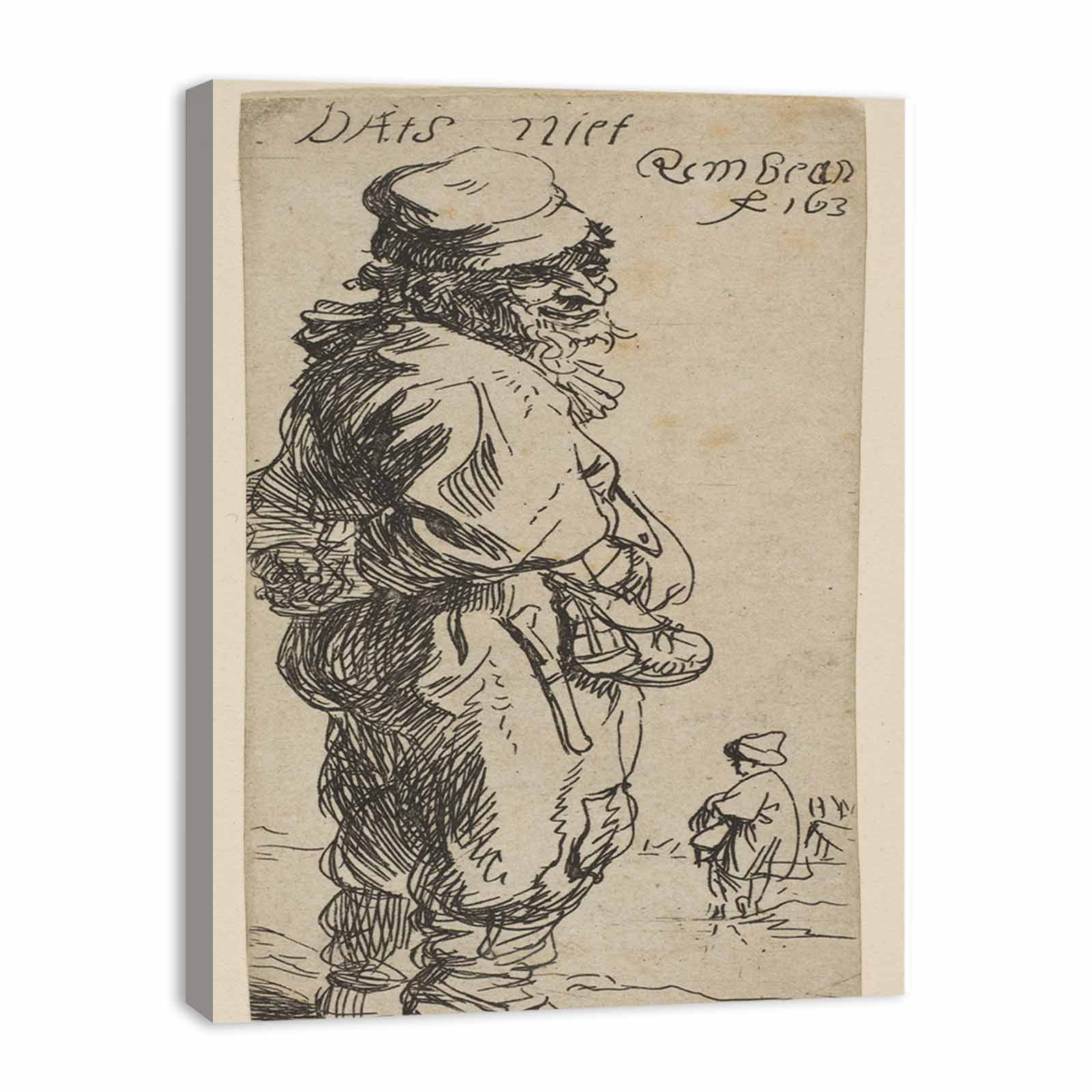
A peasant replying 'dats niet' Painting


Portrait of a Young Woman 2 Painting


Portrait of Oopjen Coppit, Wife of Marten Soolmans Painting

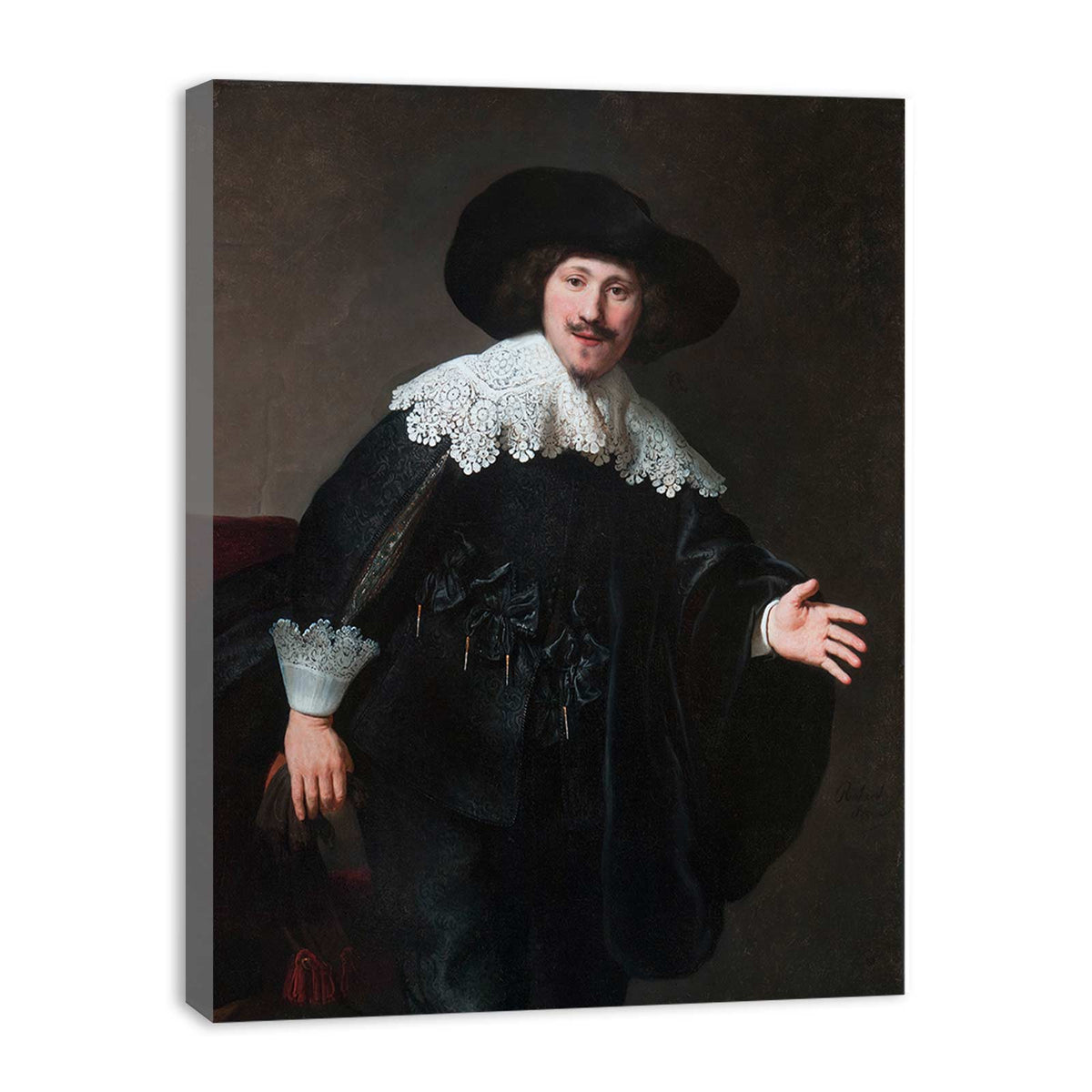
Portrait of a Man Rising from His Chair Painting

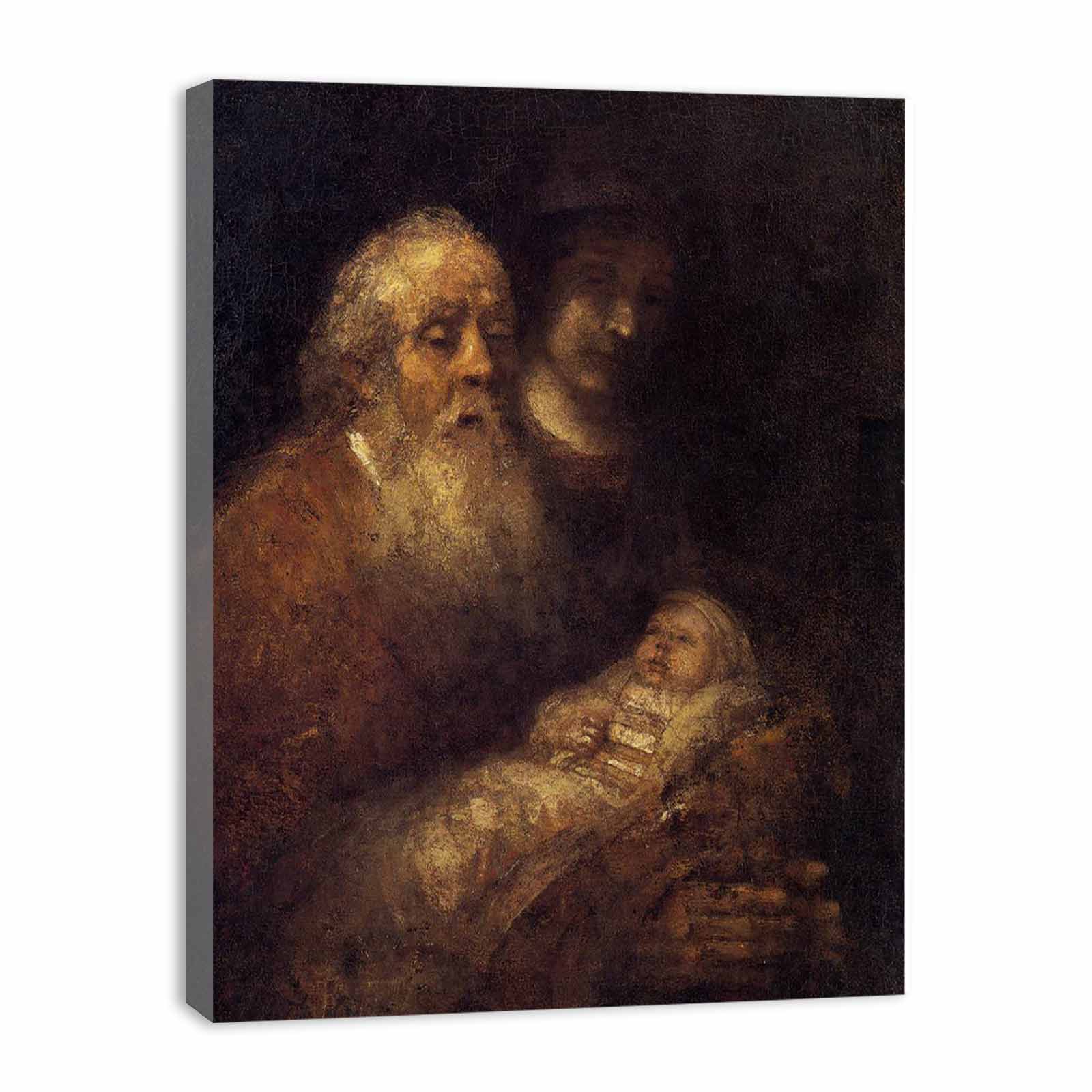
Simeon with the Infant Jesus in the Temple Painting
![Rembrandt [Self Portrait], by Richard Earlom
Painting](http://www.alphaartgallery.com/cdn/shop/products/FA-REMBR-813-Main.jpg?v=1700965365&width=1600)
![Rembrandt [Self Portrait], by Richard Earlom
Painting](http://www.alphaartgallery.com/cdn/shop/products/FA-REMBR-813-Stretched.jpg?v=1700965368&width=1600)
Rembrandt [Self Portrait], by Richard Earlom Painting

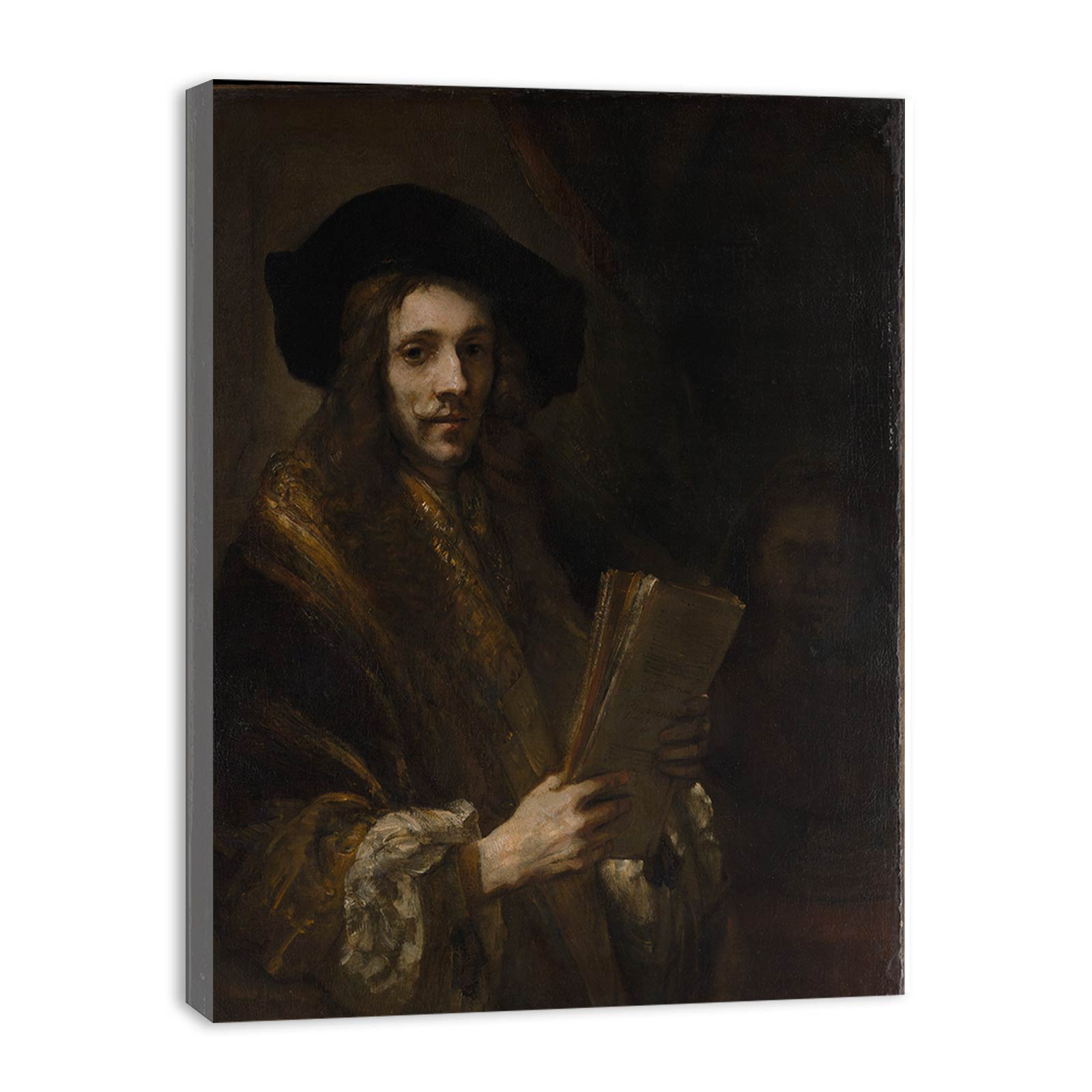
Portrait of a Man (The Auctioneer) Painting


Young Woman with a Red Necklace Painting

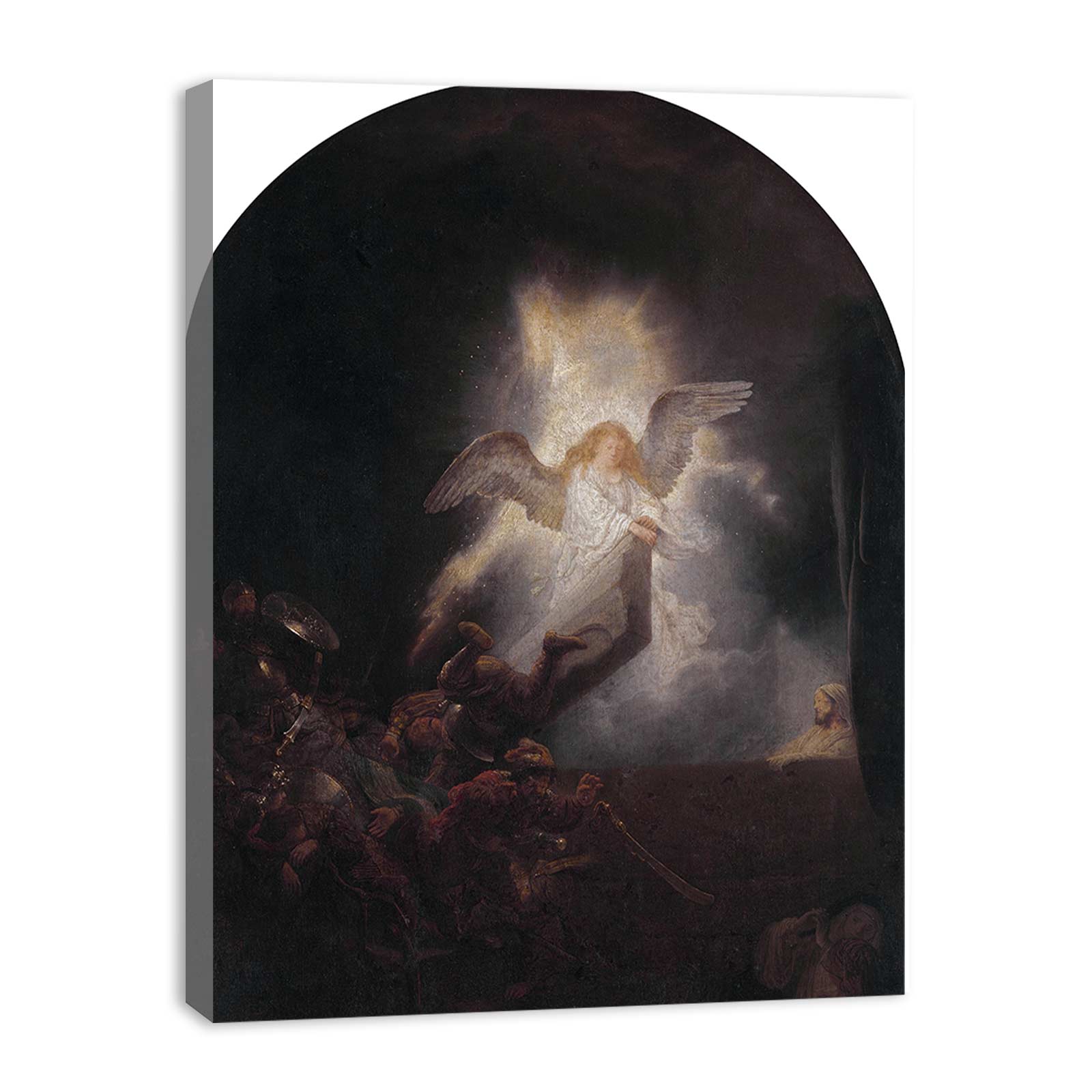
The Resurrection of Christ Painting

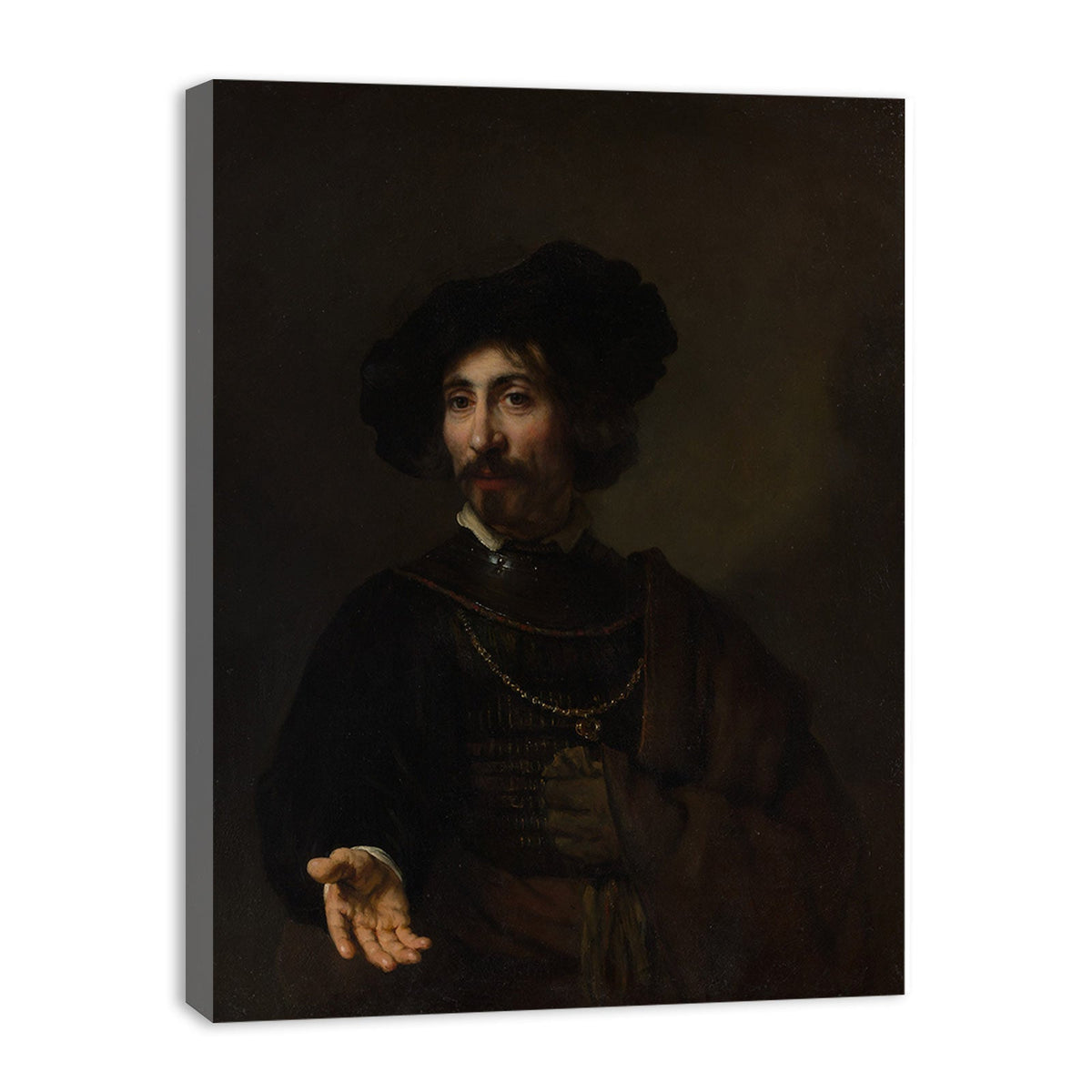
Man with a Steel Gorget Painting

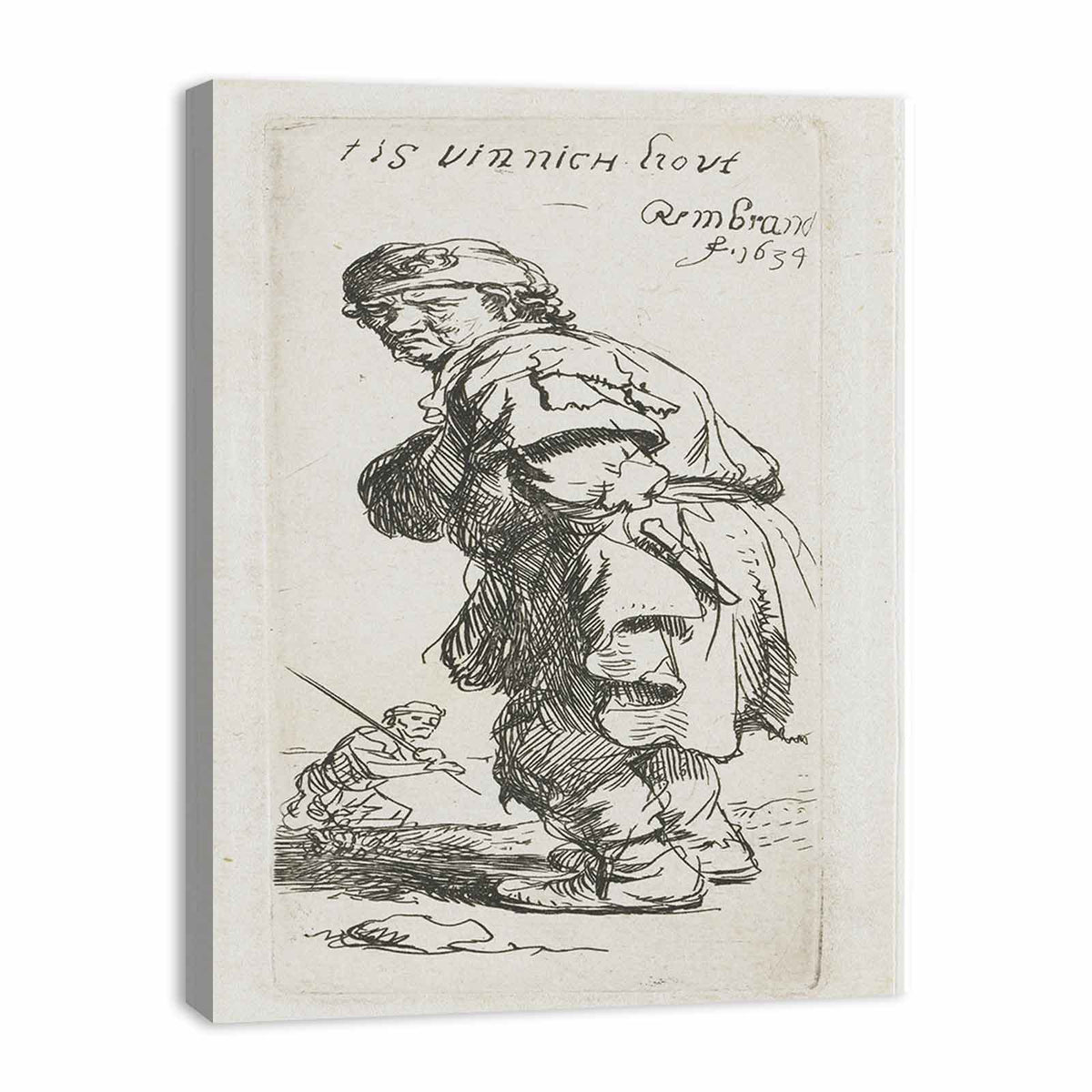
A Peasant calling out 'tis vinnich hout' Painting


Old Woman Praying Painting

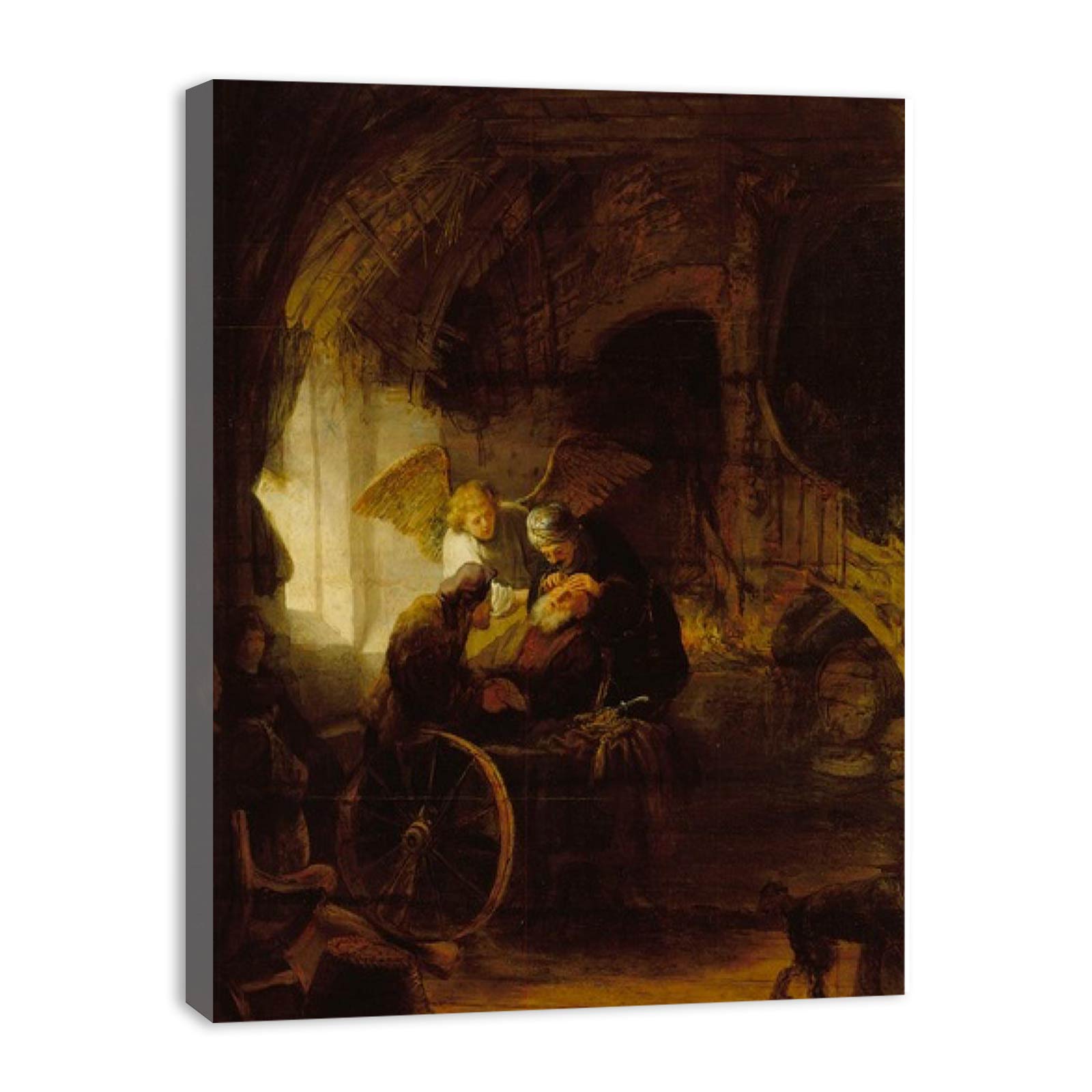
Tobit is Healed by His Son Painting


Portrait of Catharina Hooghsaet Painting

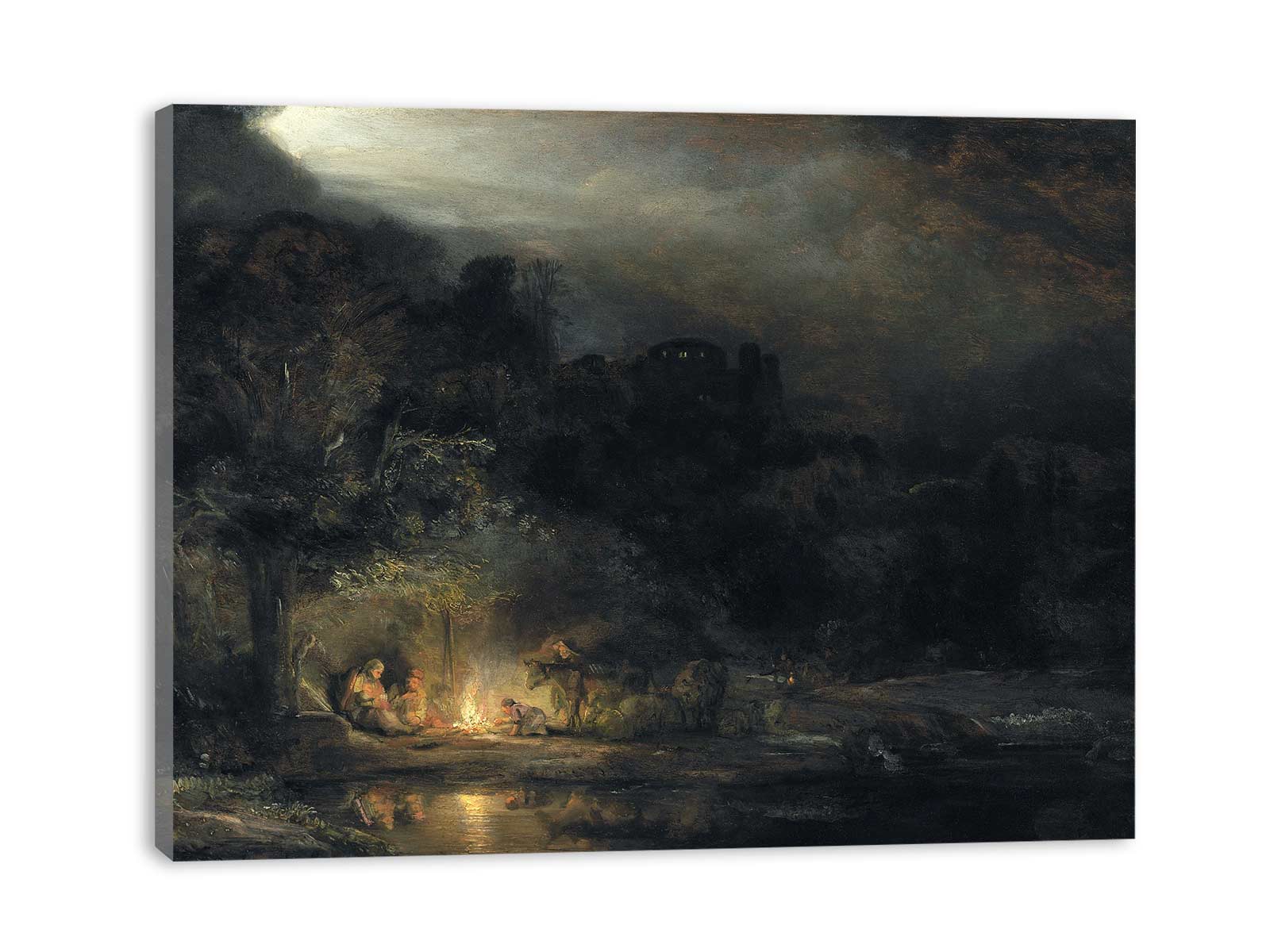
Rest on the Flight into Egypt Painting

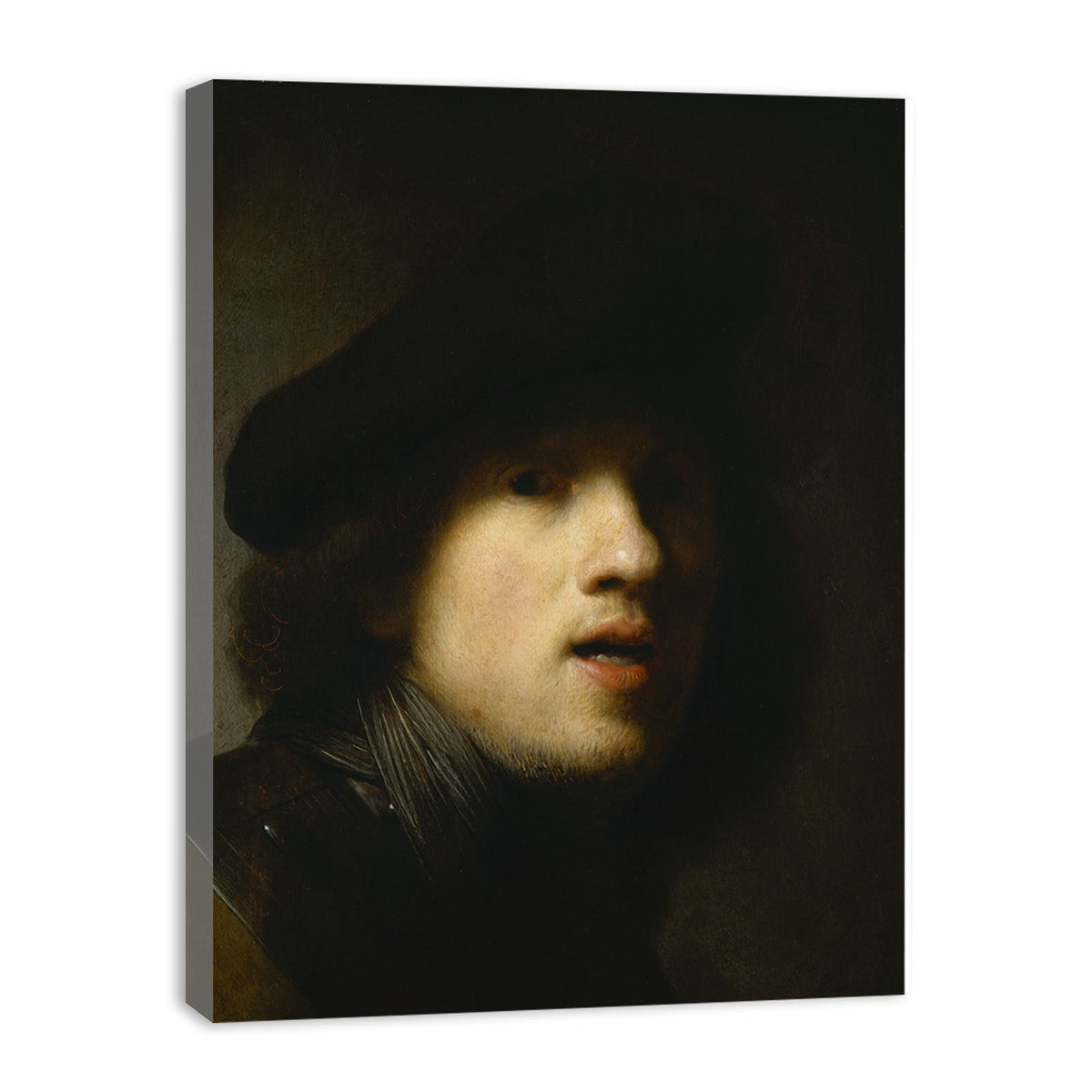
Self-Portrait 21 Painting

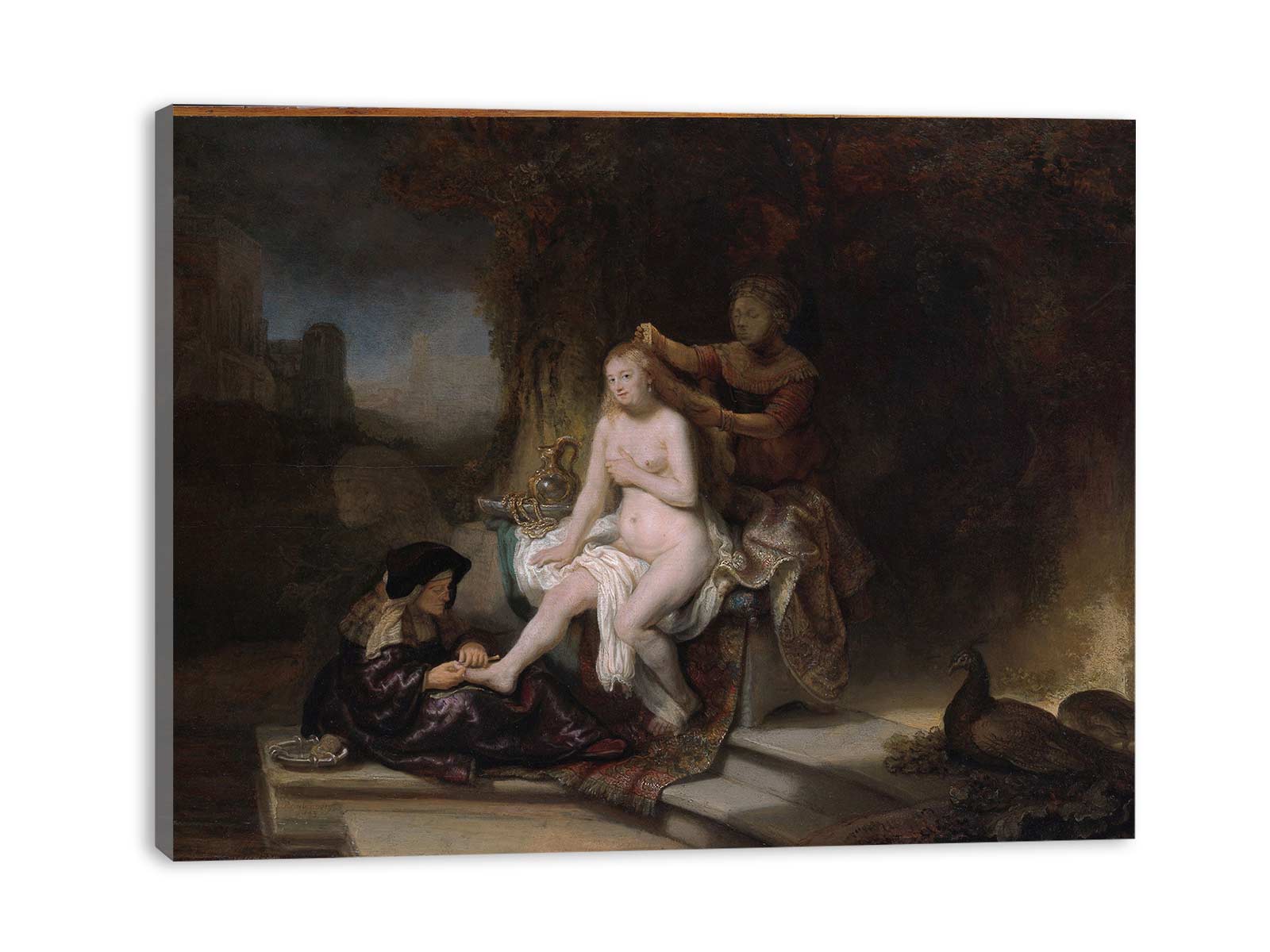
The Toilet of Bathsheba Painting

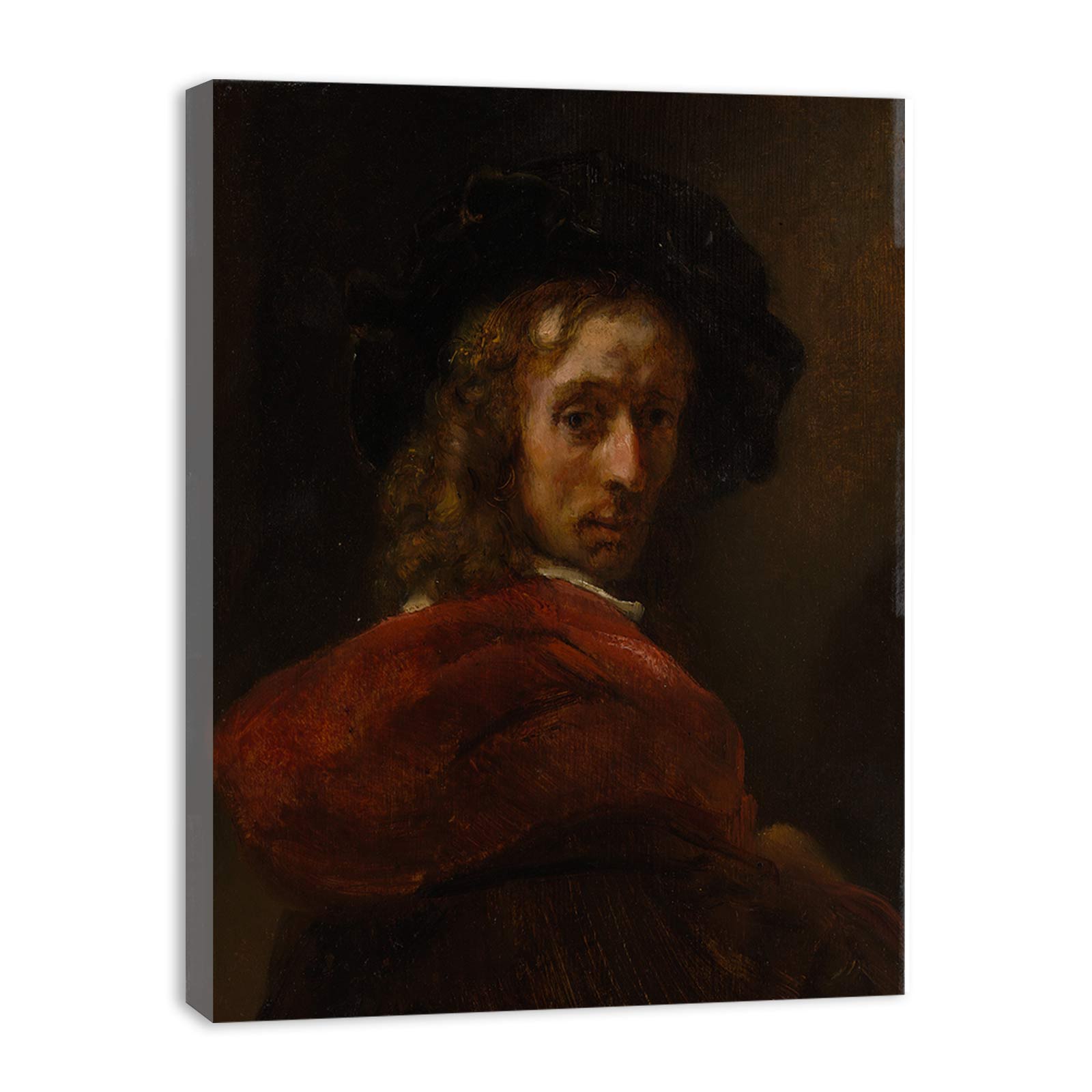
Man in a Red Cloak Painting

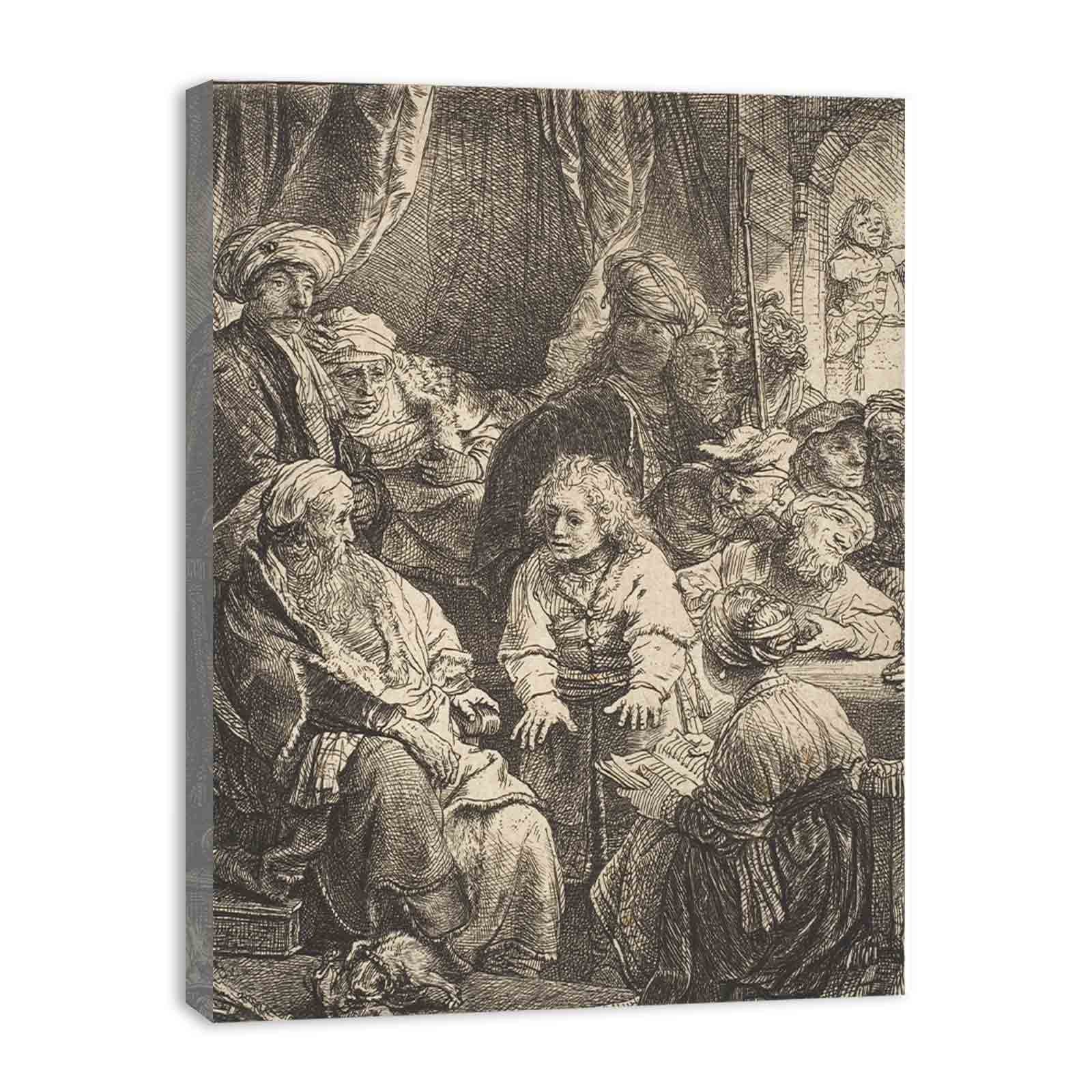
Joseph Telling His Dreams 2 Painting

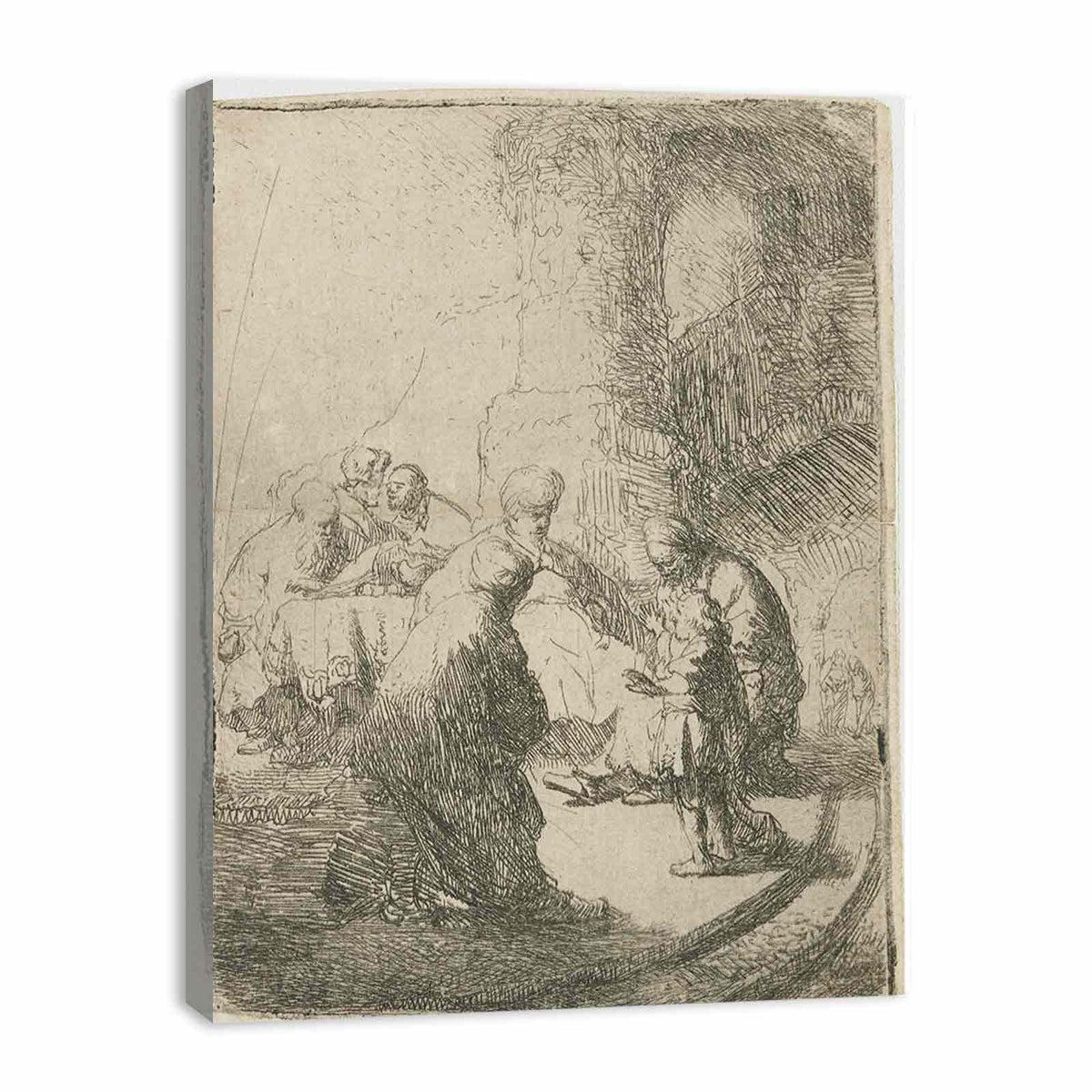
Christ Disputing With The Doctors Small Plate Painting

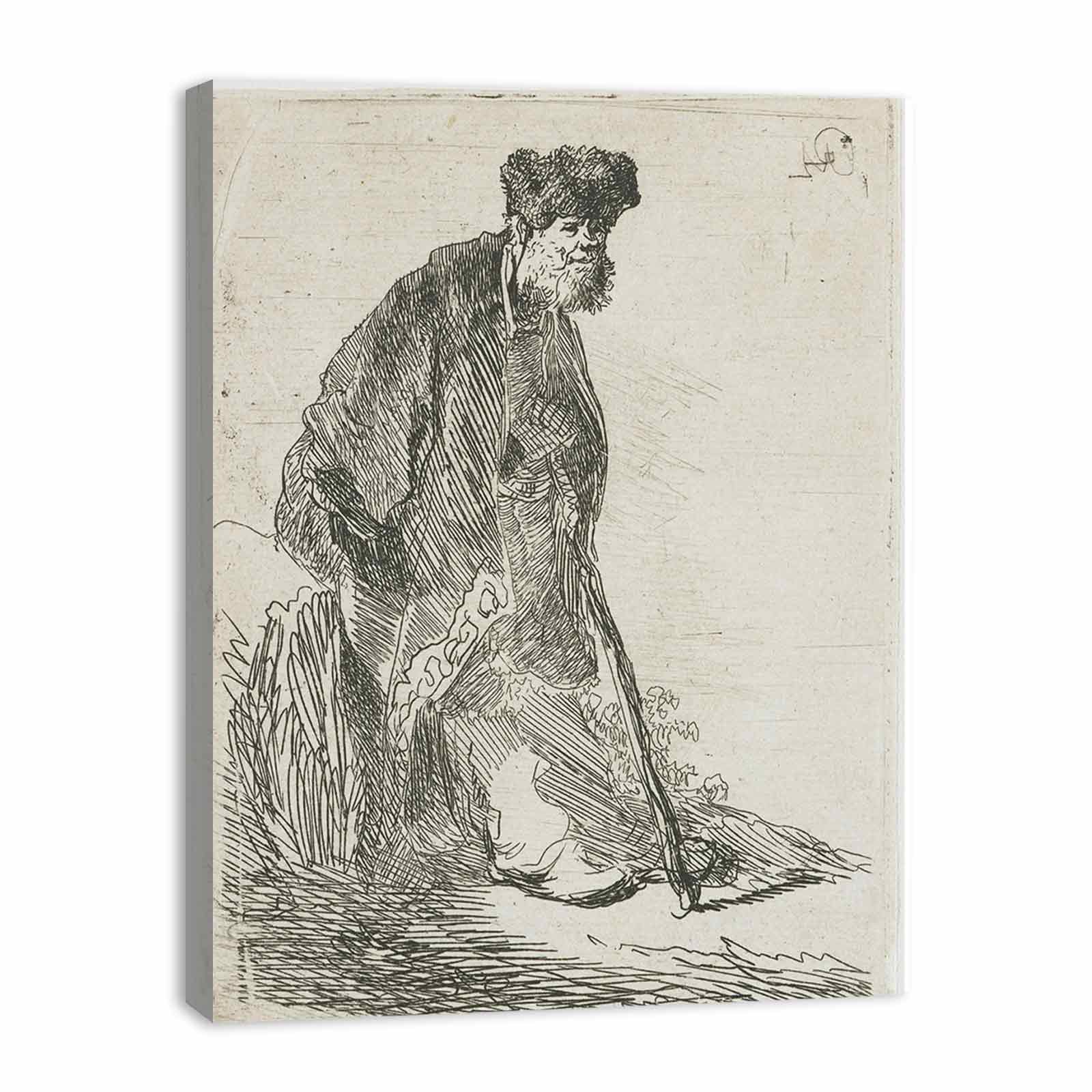
Man In A Coat And Fur Cap Leaning Against A Bank Painting

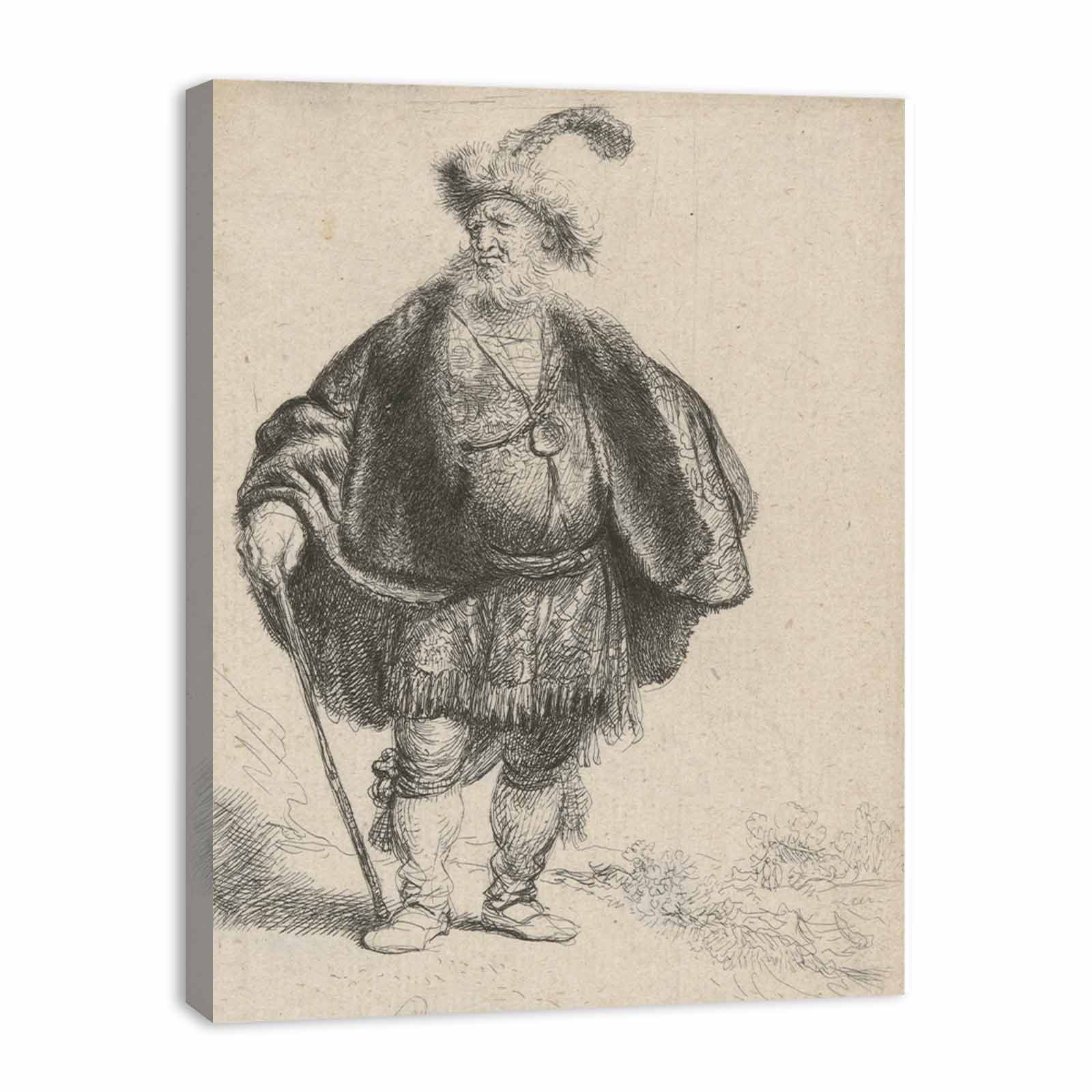
Etching Painting


Self Portrait 14 Painting

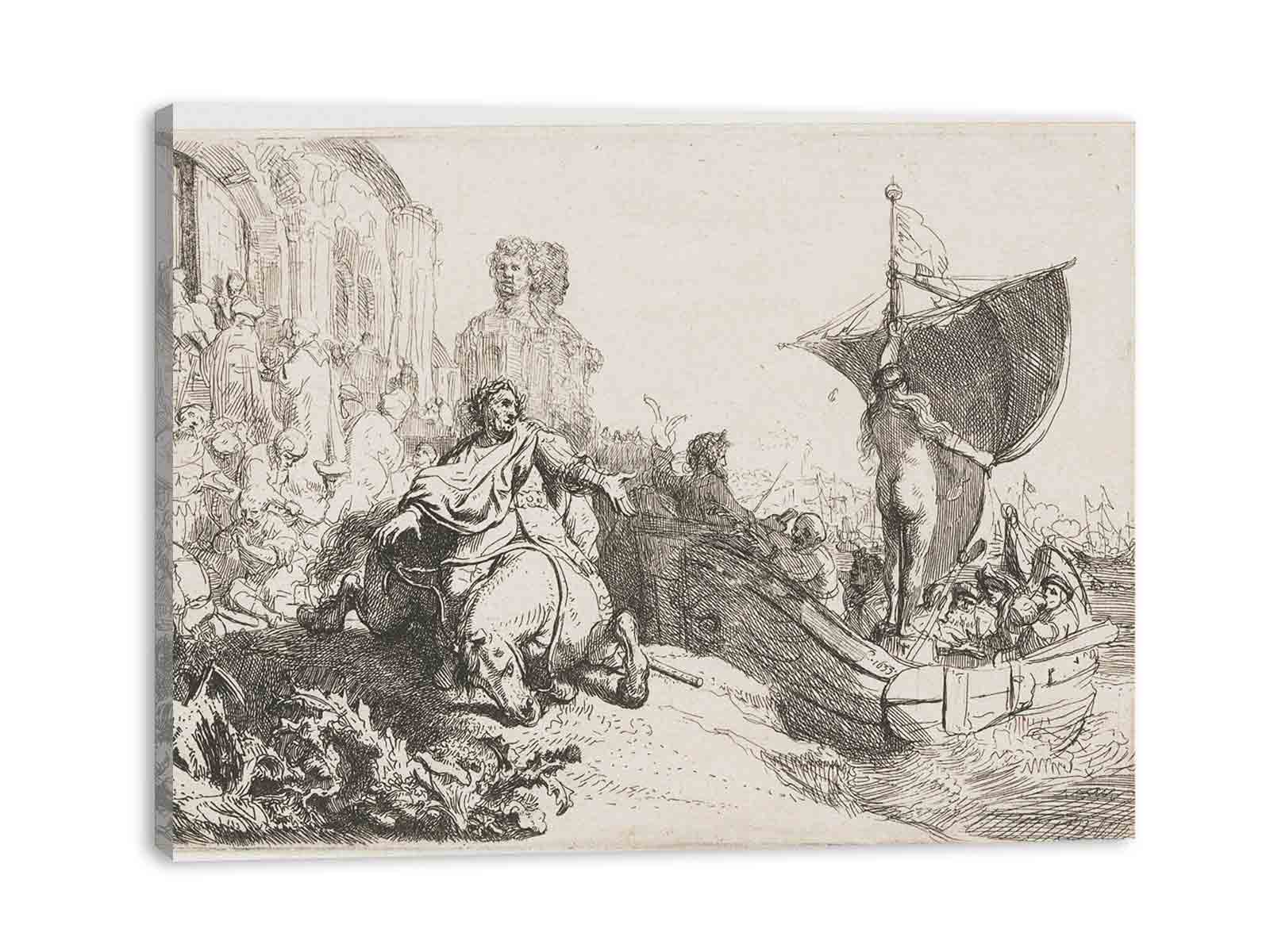
The Ship Of Fortune 2 Painting

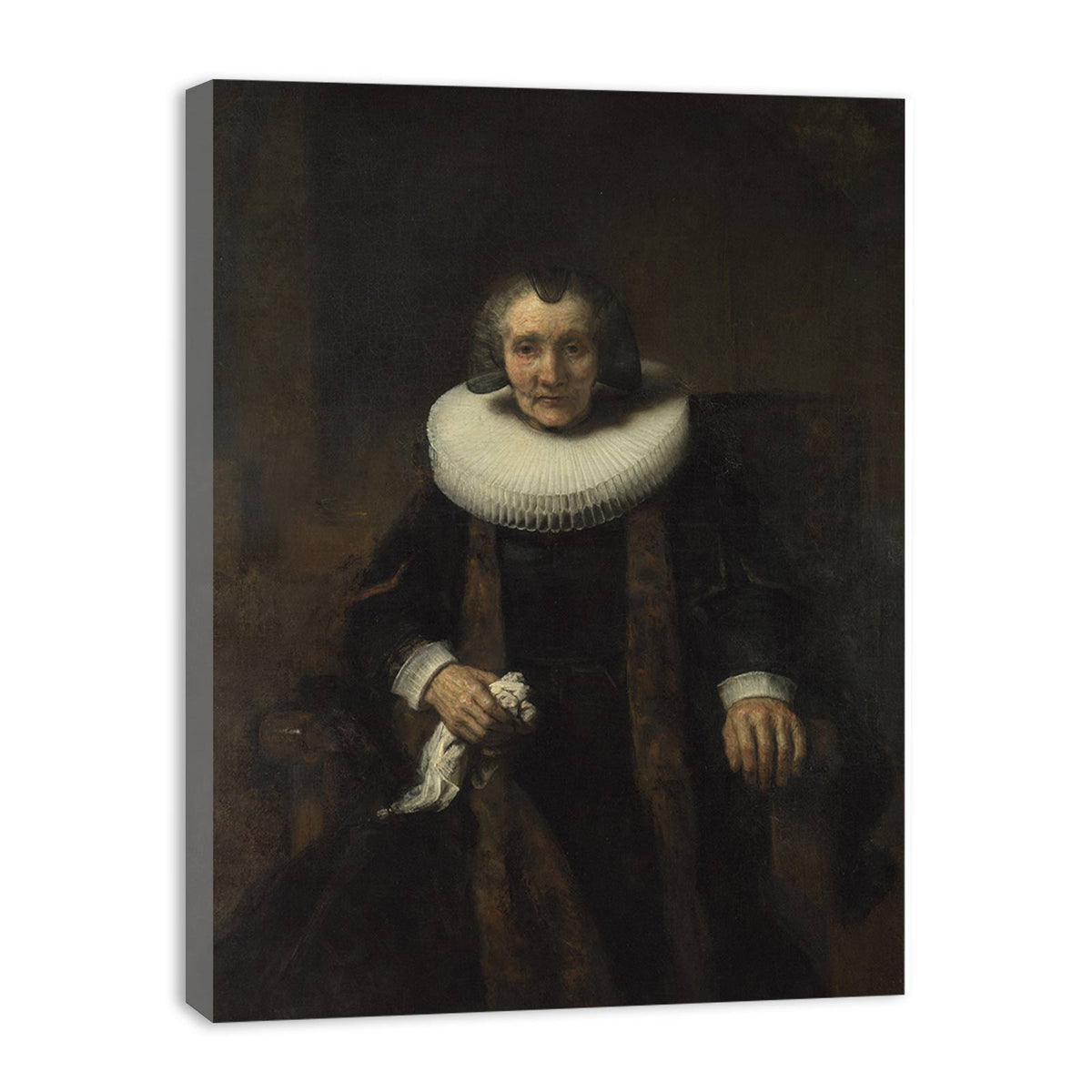
Portrait of Marguerite de Geer, Wife of Jacob Trip Painting


Self Portrait 12 Painting

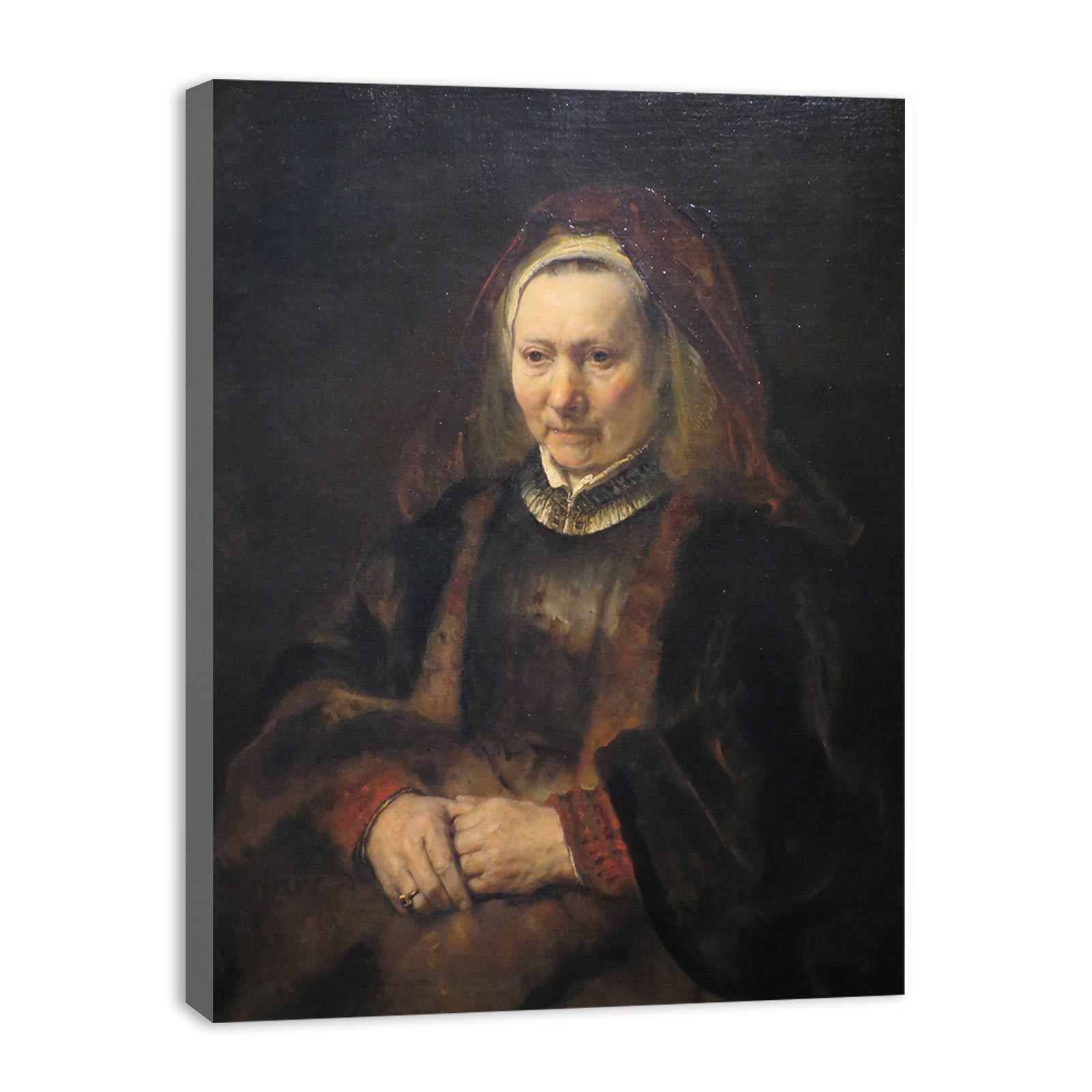
Portrait of a seated old woman Painting


Self Portrait 19 Painting

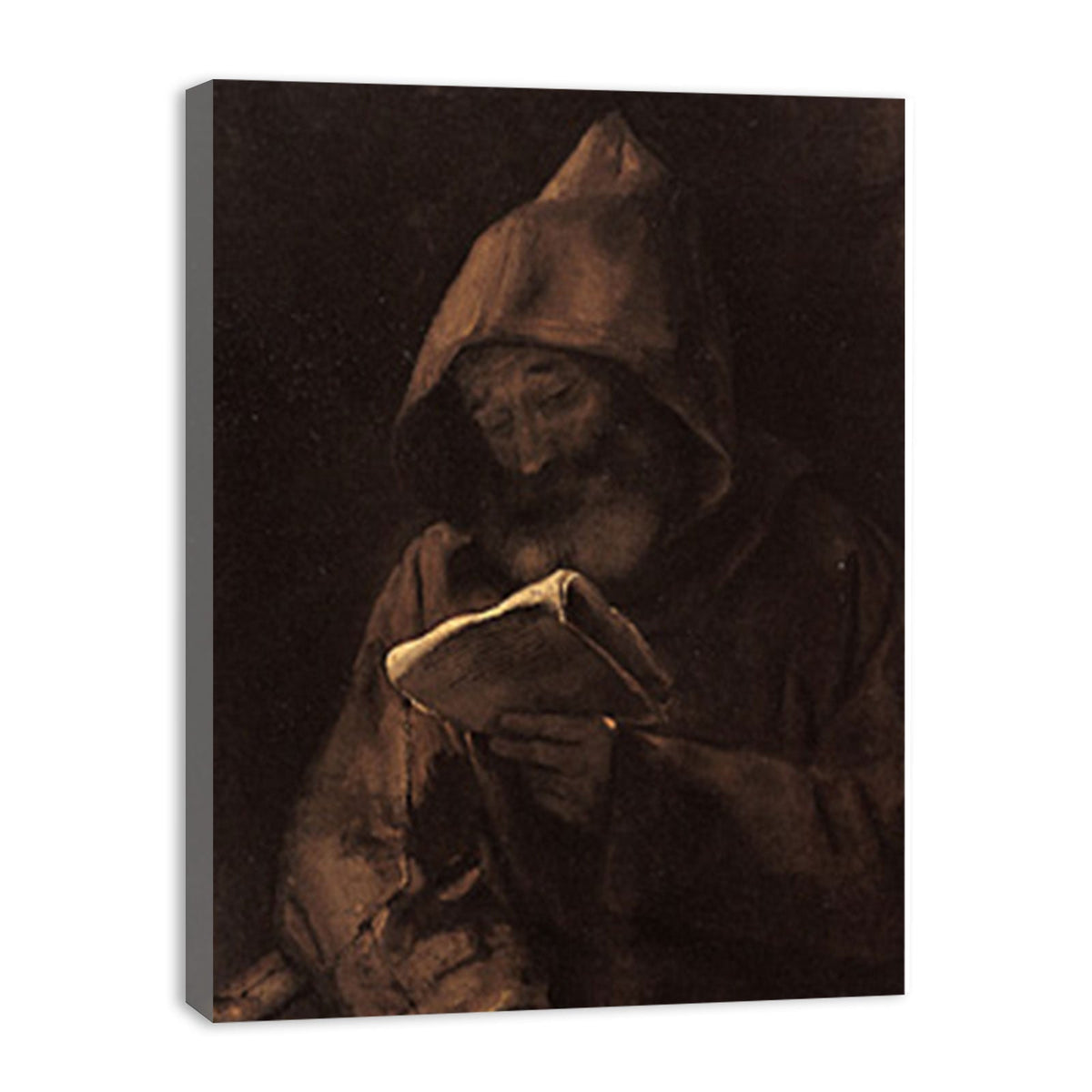
Franciscan Monk Reading Painting

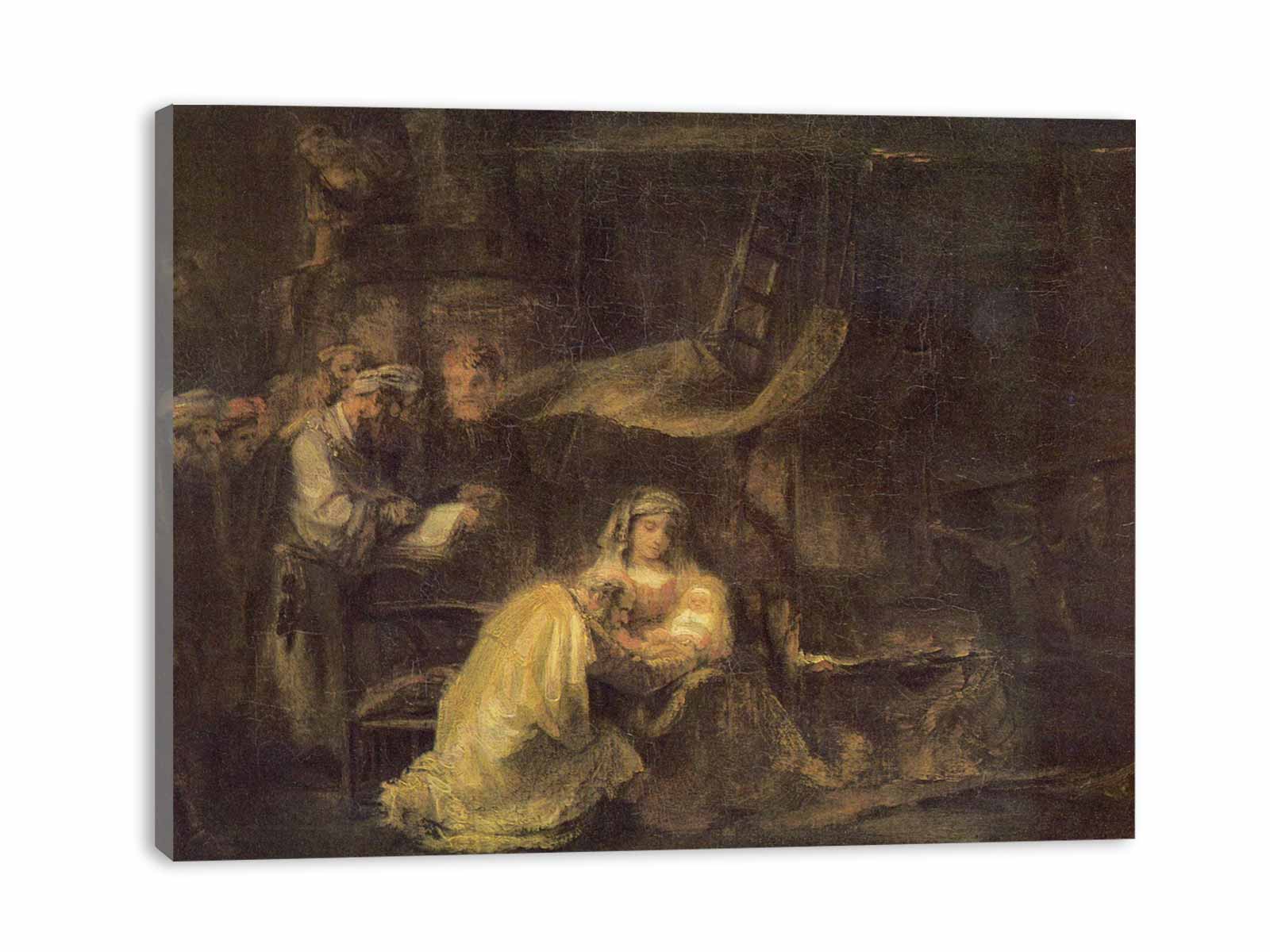
Circumcision of Christ Painting

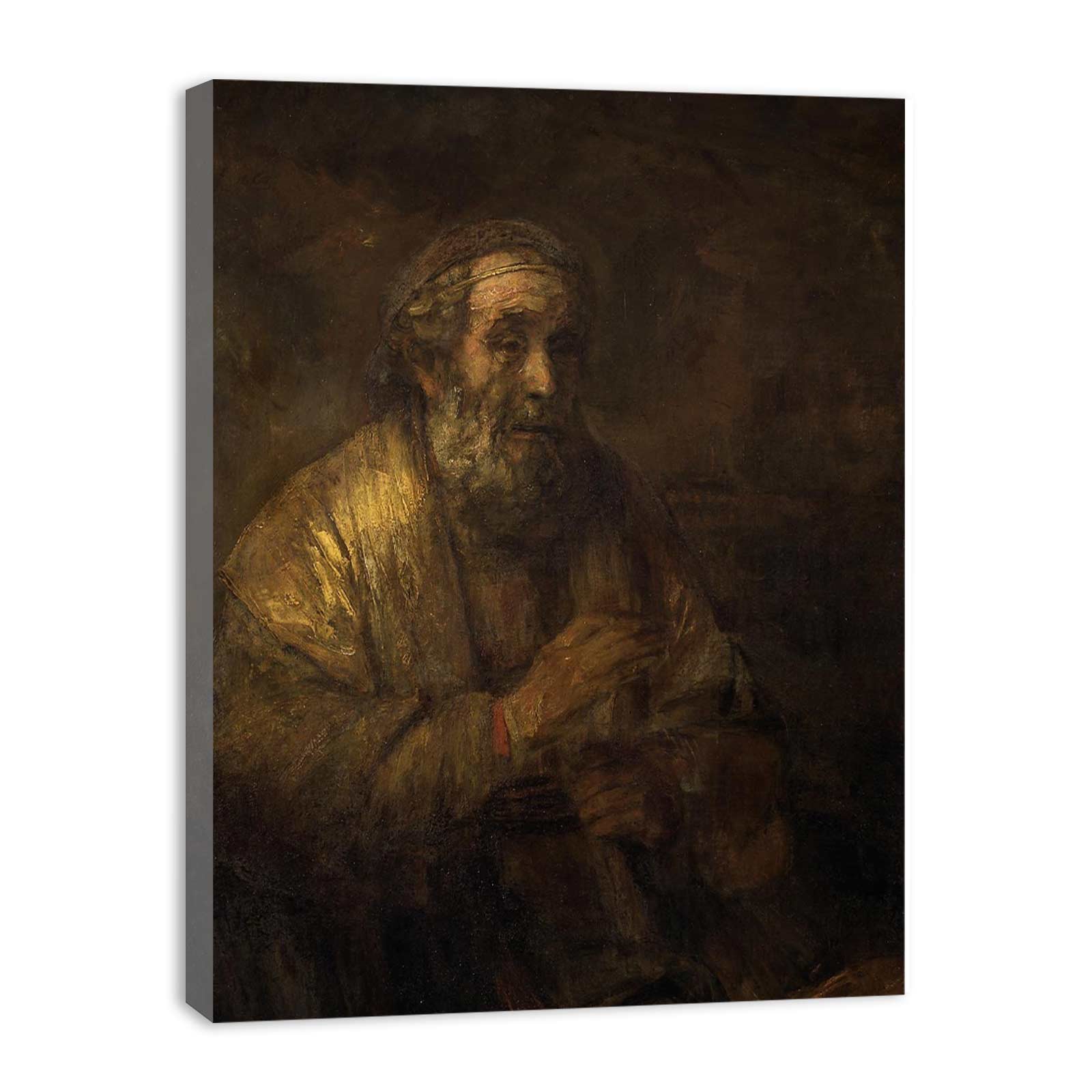
A schoolmaster with his pupil Painting

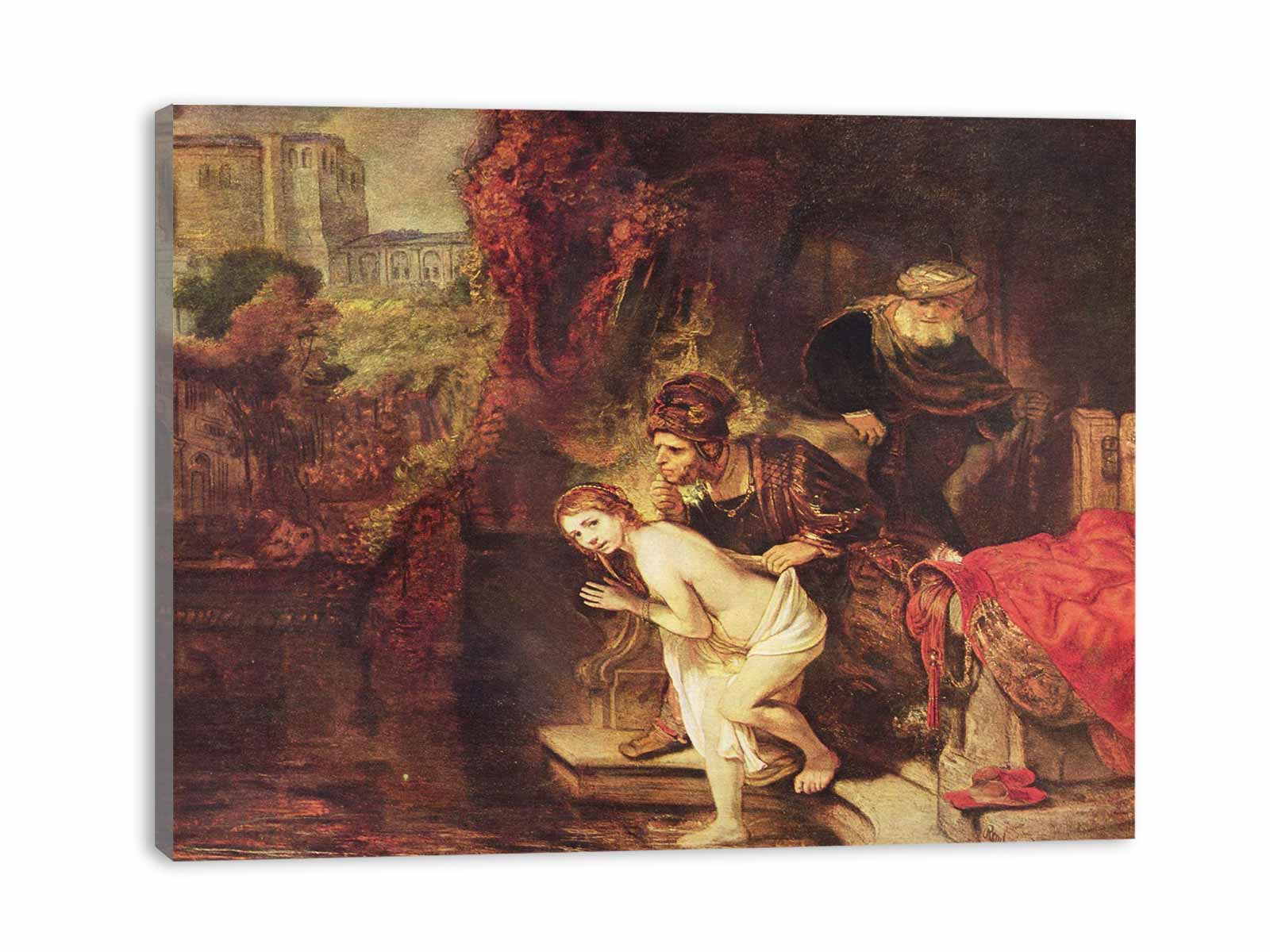
Susanna and the Elders 2 Painting

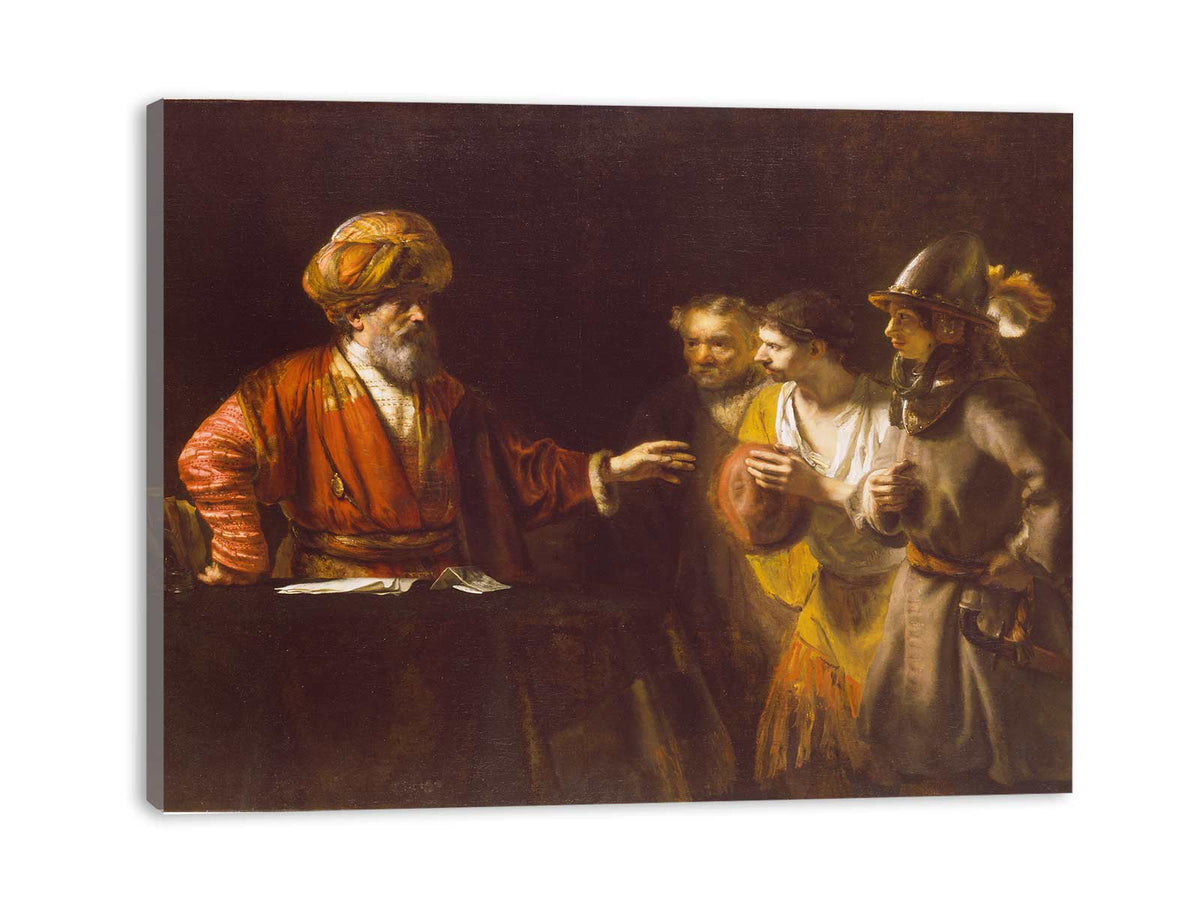
The centurion Cornelius Painting

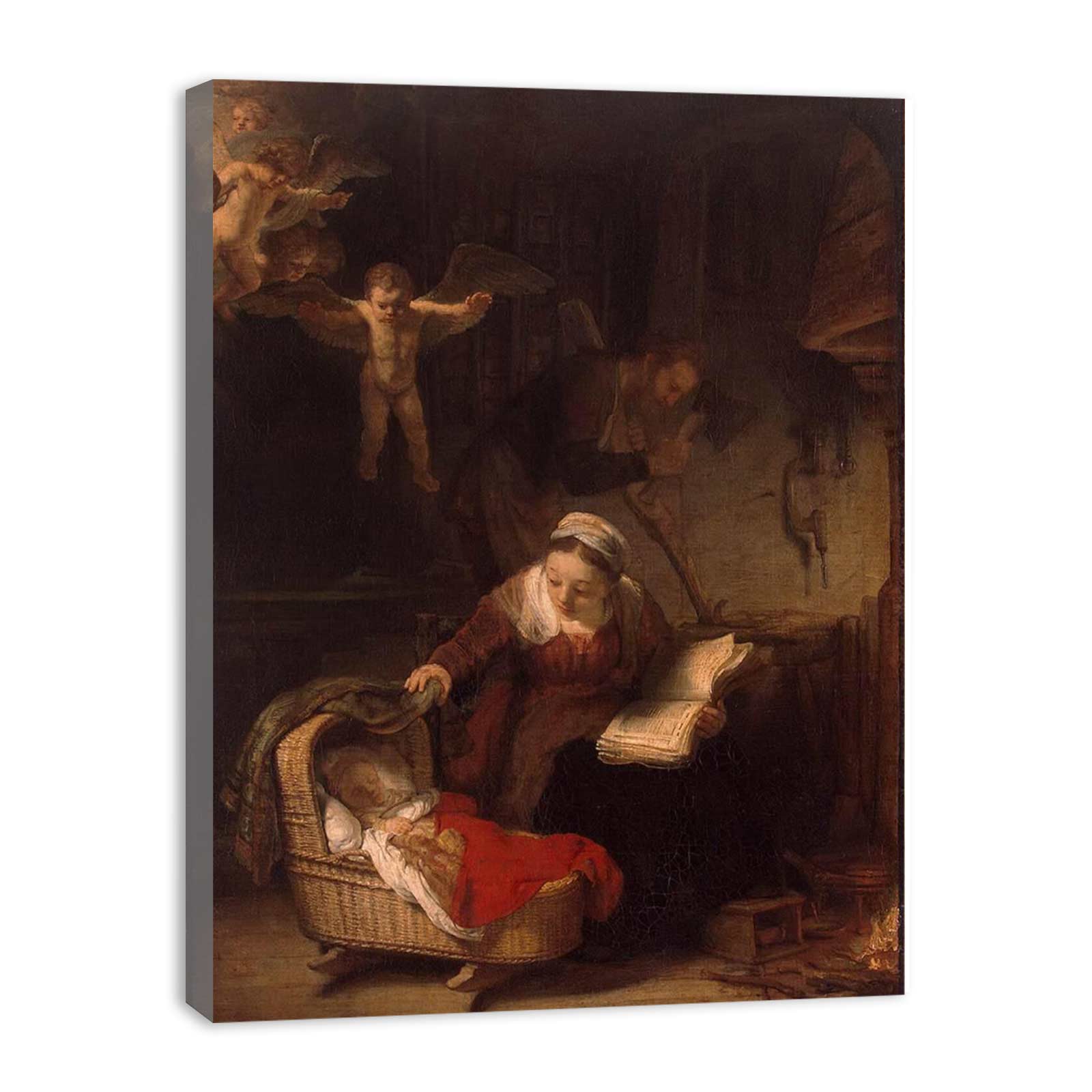
Holy Family Painting

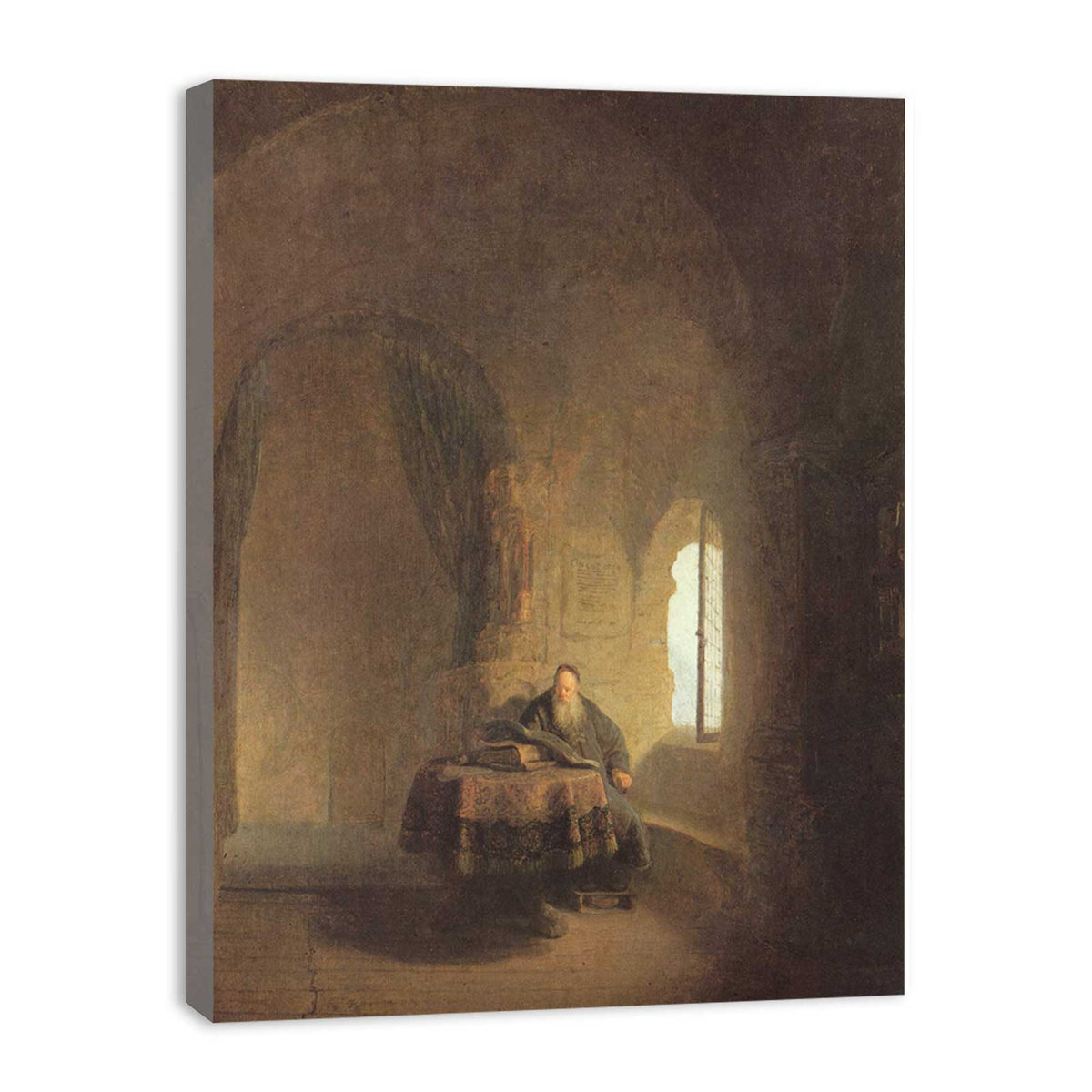
St. Anastasius Painting

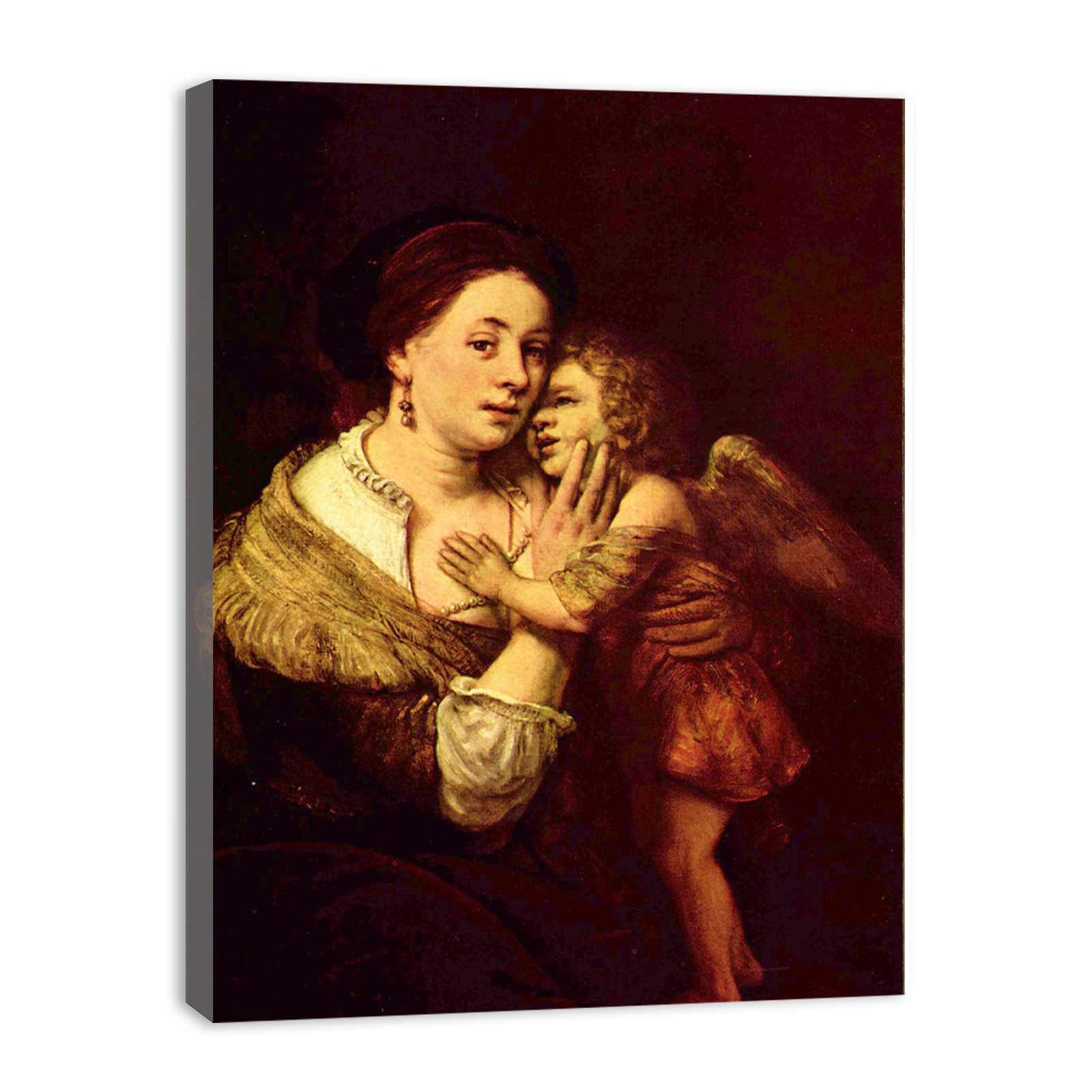
Venus and Cupid Painting

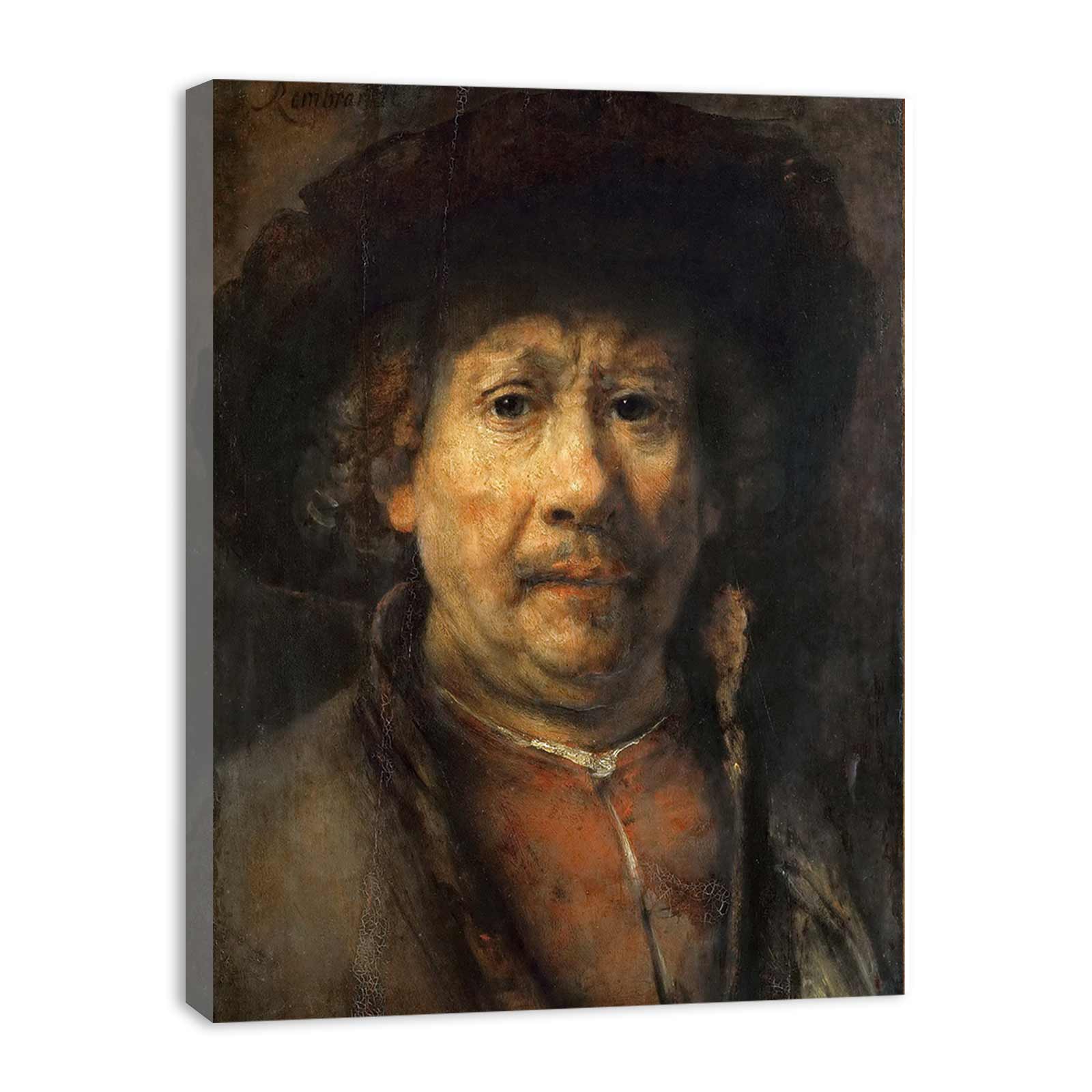
Self Portrait 16 Painting


Landscape with Carriage Painting

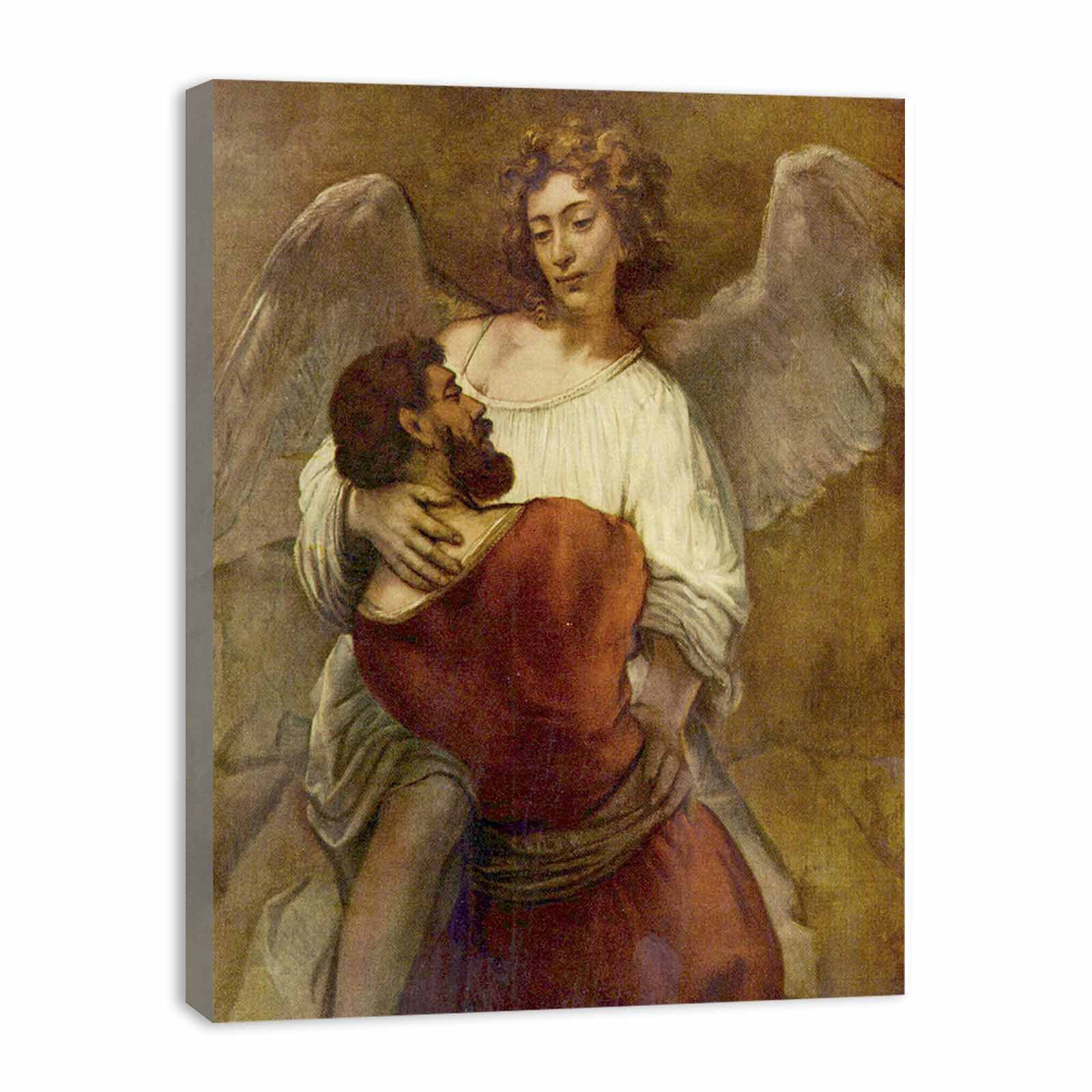
Jacob Wrestling with the Angel Painting

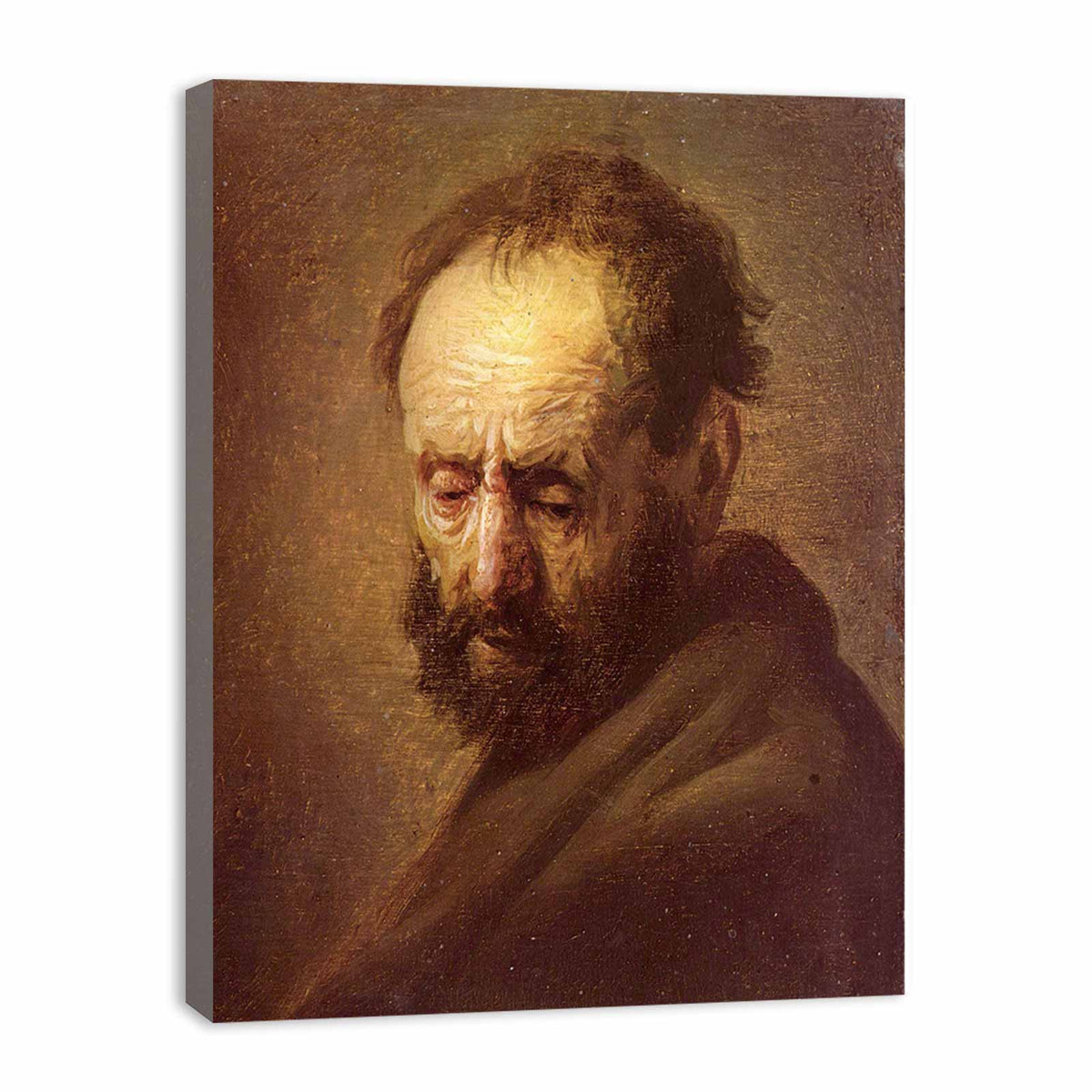
Head of a Man Painting
An artist that died poor and misunderstood - Rembrandt
A remarkable yet rare name that was inscribed on his work grew very significant and, later on, a monogram for his works. Rembrandt was a man with the two Masters – Van Swanenburgh and Pieter Lastman. The former taught him the basic skills and knowledge necessary for his profession. It gave him pictorial exposure, mainly about the effects of light in painting. The latter starts him to gain knowledge and skill very much essential to master his journal, including historical painting involving various figures from the biblical, historical, mythological scenes in very complex settings in the 17th century. Hence, he held the highest position because he had complete control and command over all his subjects, from landscape to complex architecture, from still static life to drapery, from animals to human beings in various postures, expression, livelihood, attire, and costumes. After leaving Lastman, he created lively waxworks quality, evenly lit, colorful figures acting in clearly organized space. Looking for painting replicas of famous Artists . Buy new art and paintings online
Writing about Rembrandt transforms you into a detective
Rembrandt had a great sense of all materiality while analyzing old artistic artifacts, which present incredibly sophisticated techniques of usage of X-rays, infrared light to examine what lies below the surface to decipher them appropriately. The canvas, the palette, the brushwork all come together the sum of all the parts to create the mystery that is known as Rembrandt, which signifies that how deep and acting out his paintings were. So a painter will understand himself, these paintings better than any other person in the world. As we know, there are very different kinds of methodologies in art history; the very prominent one and historical research in arts is an interrogation of the work of art in which the material object itself behaves as a source of relevant historical information. Being a detective while writing about Rembrandt means defining all the details in the contest of the artists' surroundings very brilliantly, smartly, and carefully considering those images' environment, sense of time, and surroundings
Biographies are the reproductions of Rembrandts' artistic documentations
Biographies containing drawings and paintings give you a natural feeling of holding that artistic documentation in your hand. Self-portraits of Rembrandt were at high pitch in 1628 that customers loved buying them. One of which is perfectly defined is the stream of light barely touching his cheek and the rest of this paste in shadow, but you can still make out his peering eyes straight at you. This portrait exquisitely explains the mysterious character of Rembrandt himself and also creates a visual puzzle to figure out himself in the portrait. Basically, he took himself as a model because he's very patient and can sit for long hours. He knows what he exactly wants, and perhaps his end result becomes wonderfully mysterious and inspires many people. Scholars and scientists recently have done a lot of work in analyzing his anatomy from his self-portraits which include what was build, the size of his voice box, his weight, and then they recreated what his voice must have sounded like because all of his art was so eloquent.