
Raphael Paintings

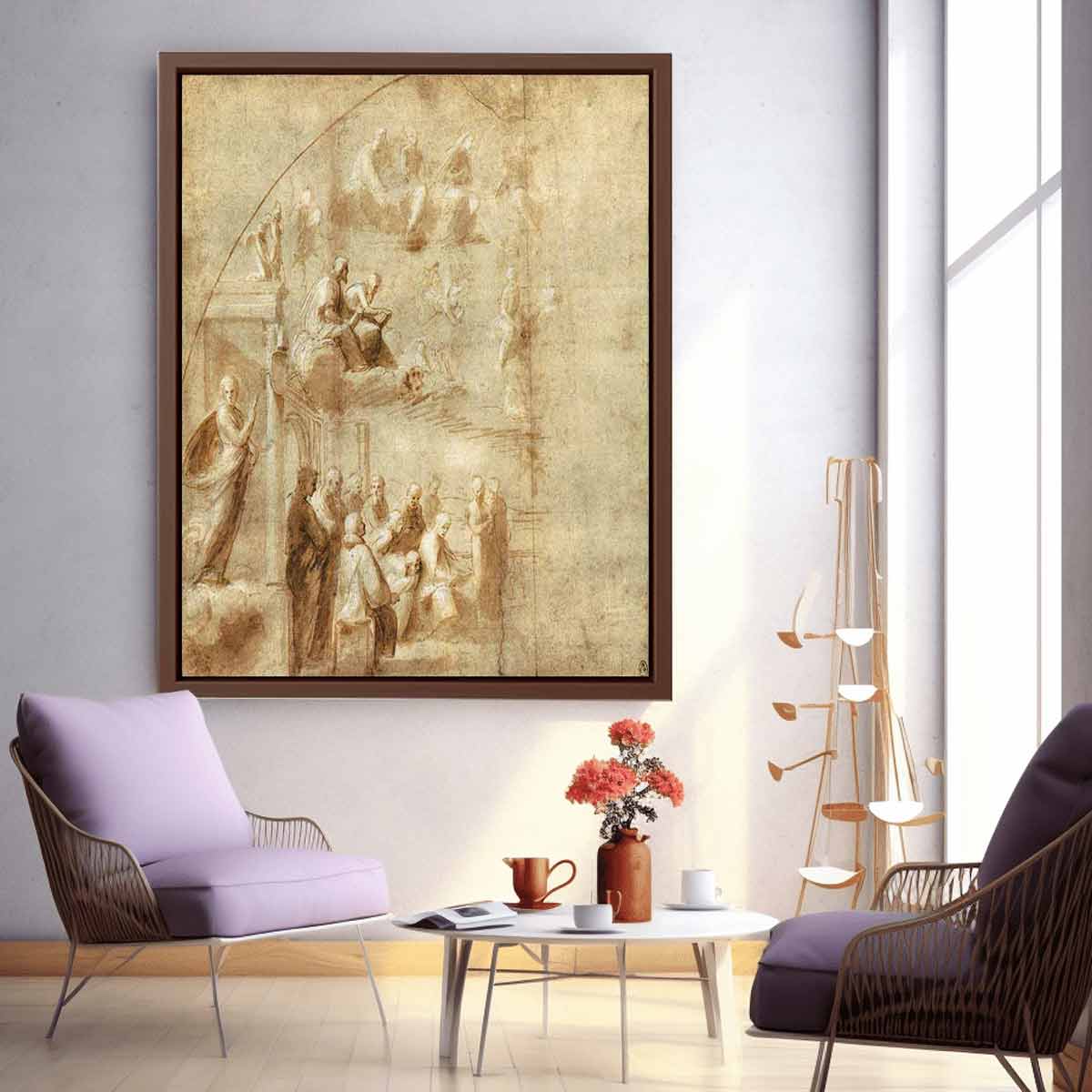
Design for the left half of the Disputa By Raphael


Saint George and the Dragon by Raphael

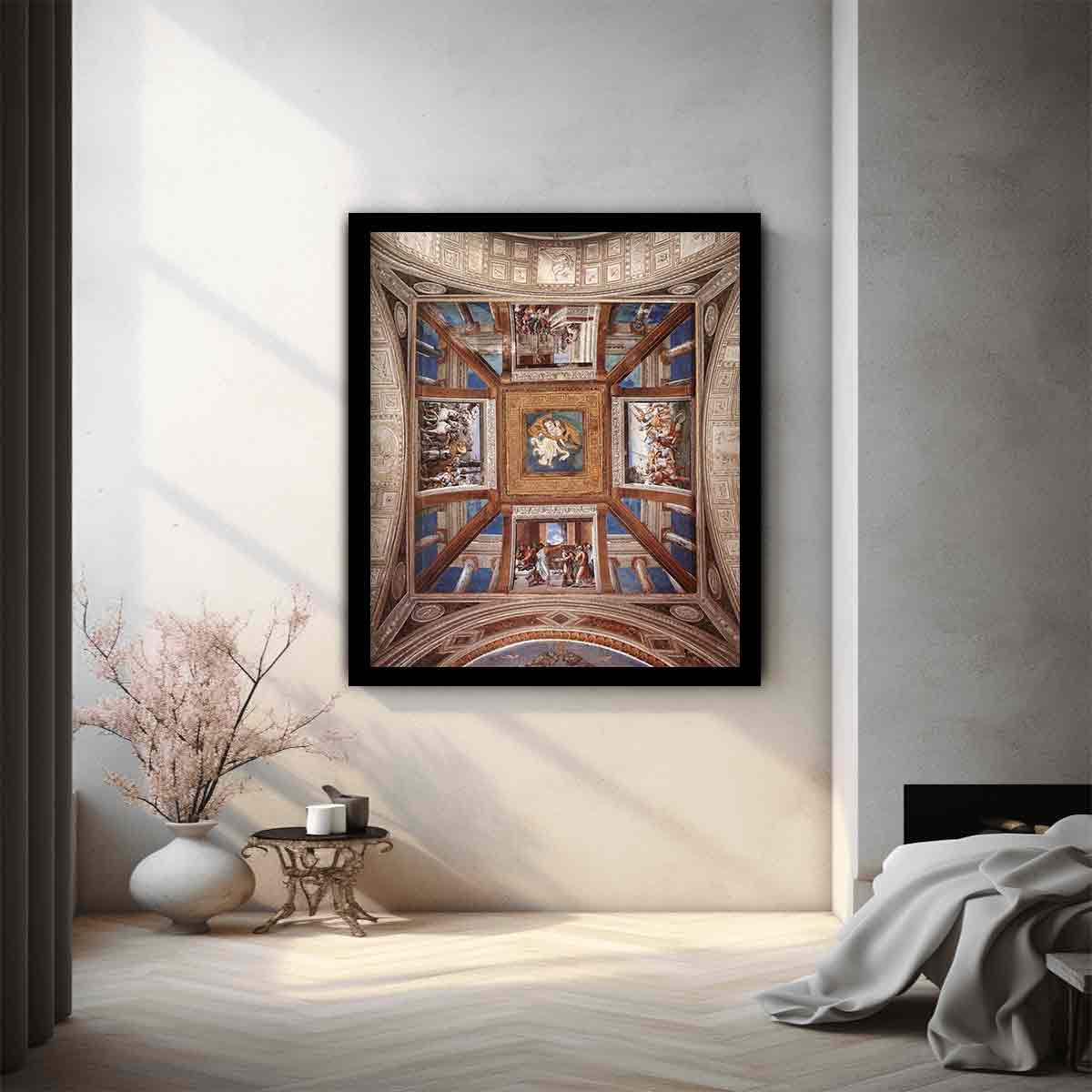
Scenes from the Life of David By Raphael


Portrait of a Man By Raphael


Portrait of Pietro Bembo By Raphael

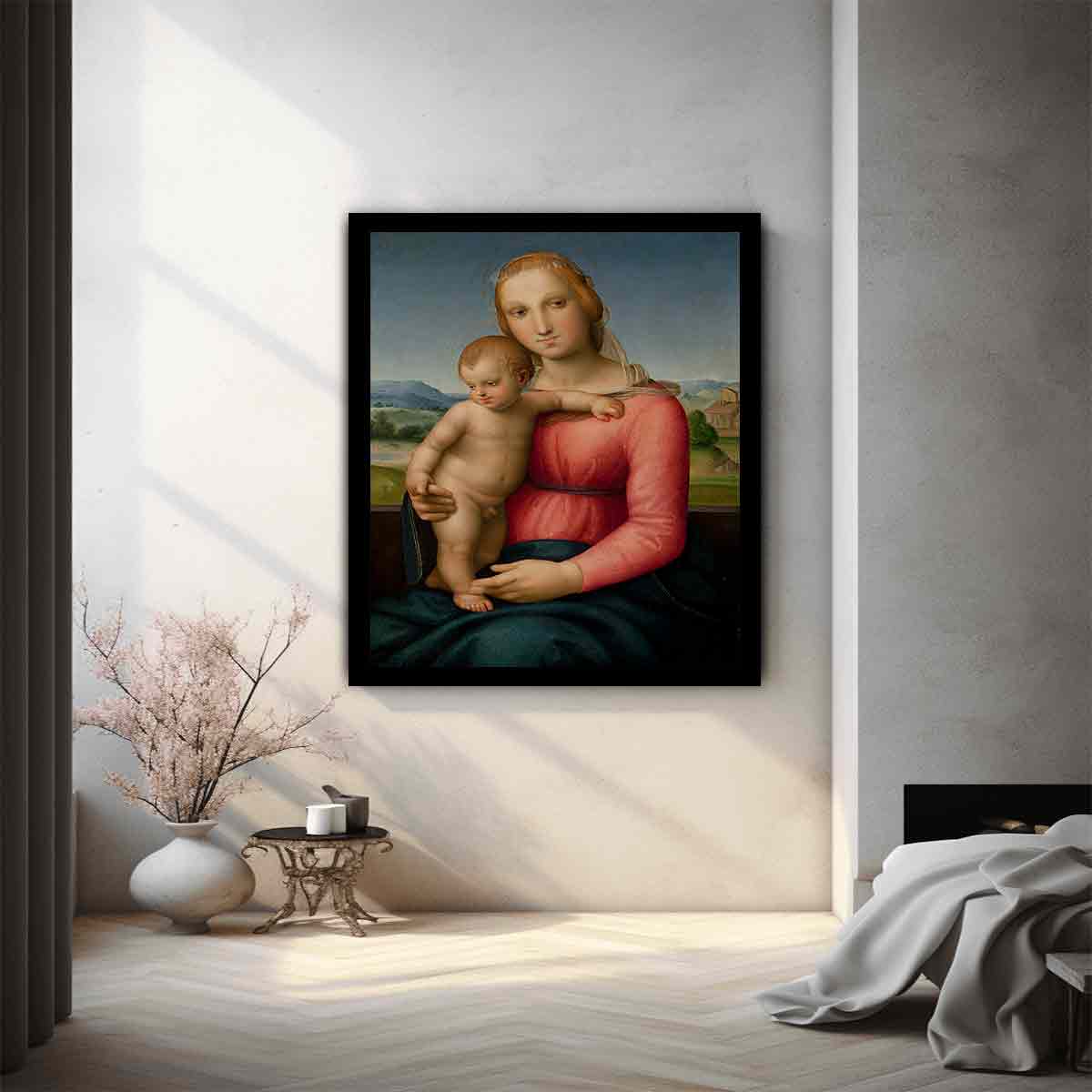
The Virgin and Child (Northbrook Madonna) Edit this at Wikidata By Raphael


Entombment By Raphael


Portrait of a Woman By Raphael


Christ Falling on the Way to Calvary (Raphael)

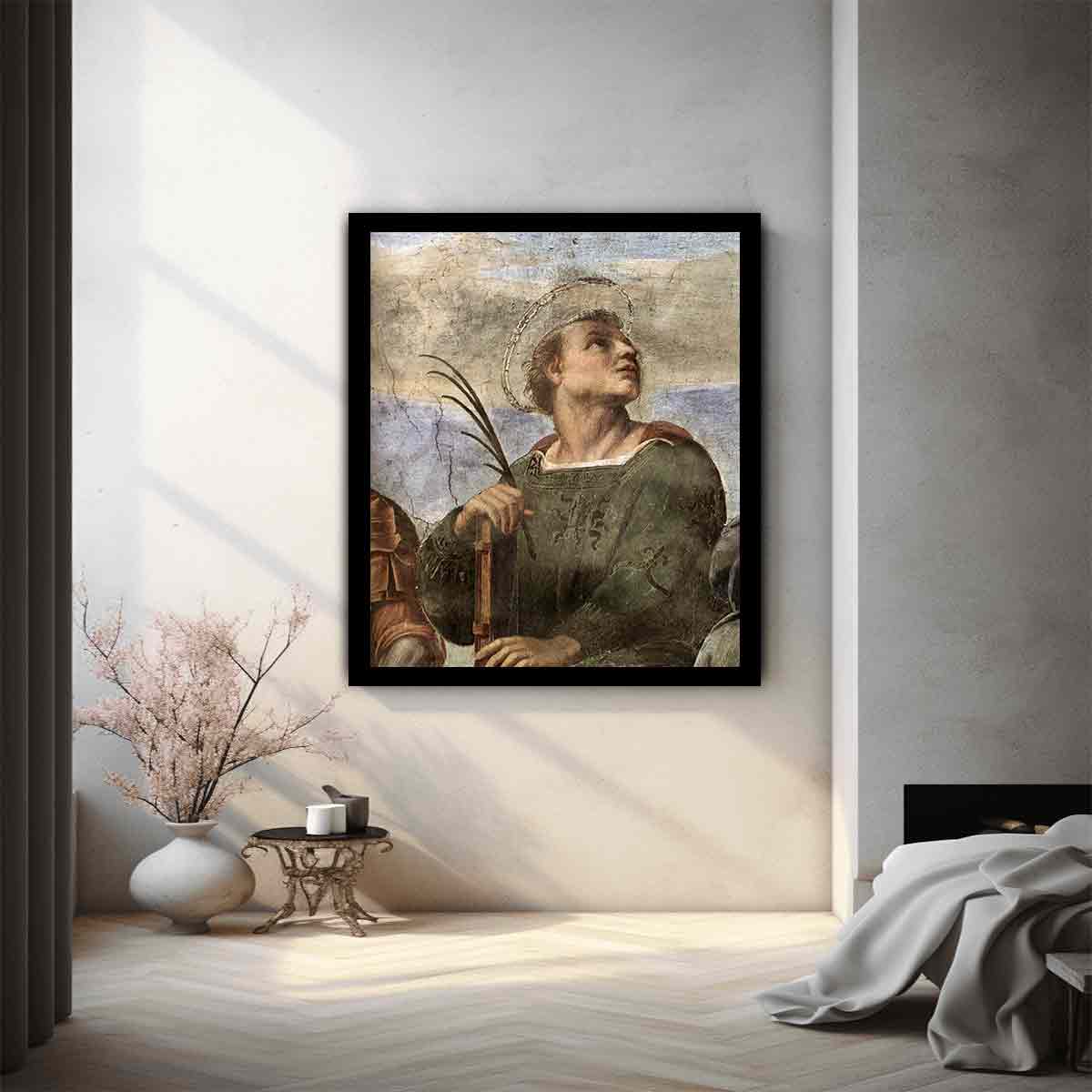
La Disputa (detail) By Raphael

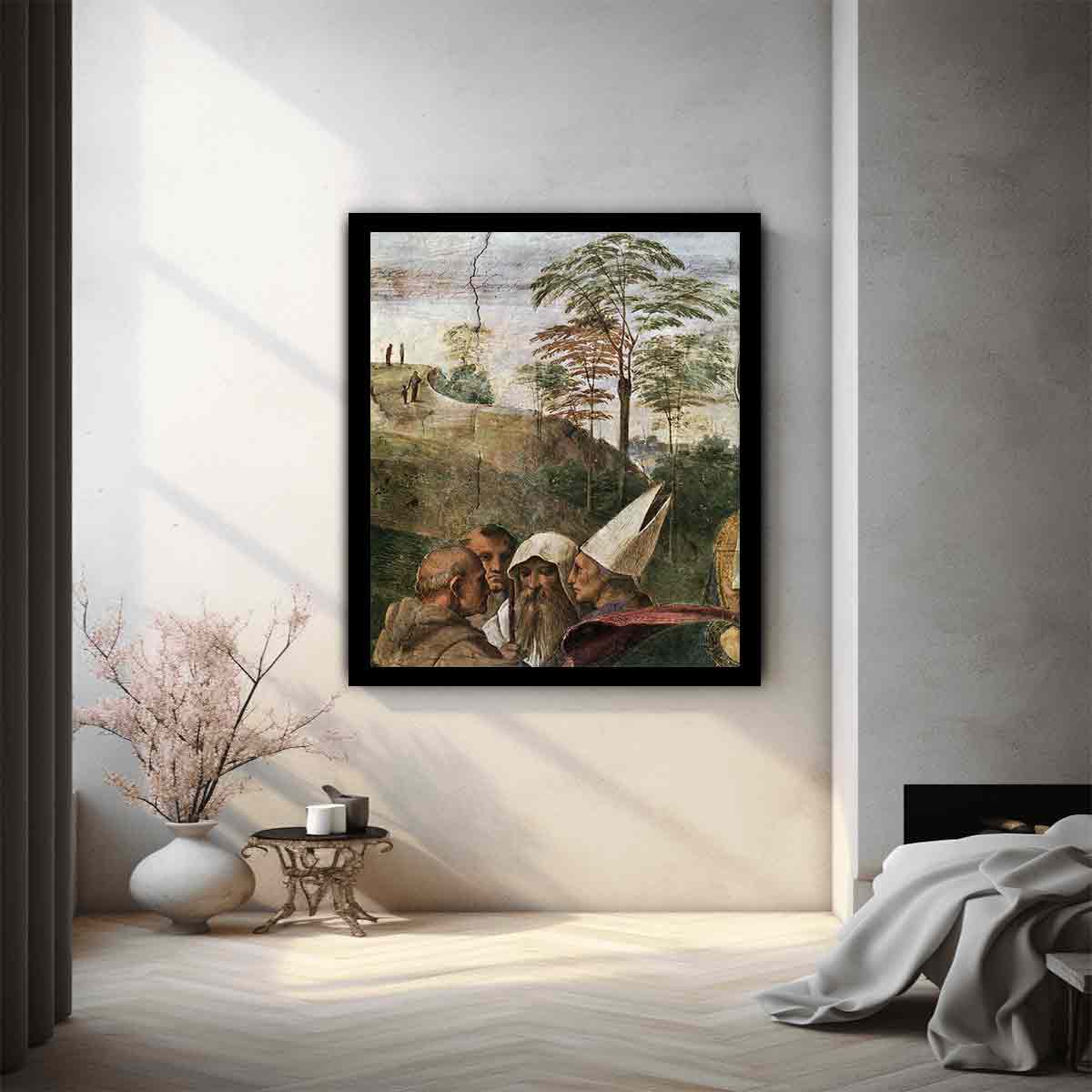
La Disputa (detail) By Raphael


Self-Portrait 2 By Raphael


Saint John the Baptist By Raphael


La Disputa (detail) By Raphael


Portrait of a Man By Raphael


La Disputa (detail) By Raphael


La Disputa (detail) By Raphael


The Separation of Land and Water By Raphael


La Disputa (detail) By Raphael

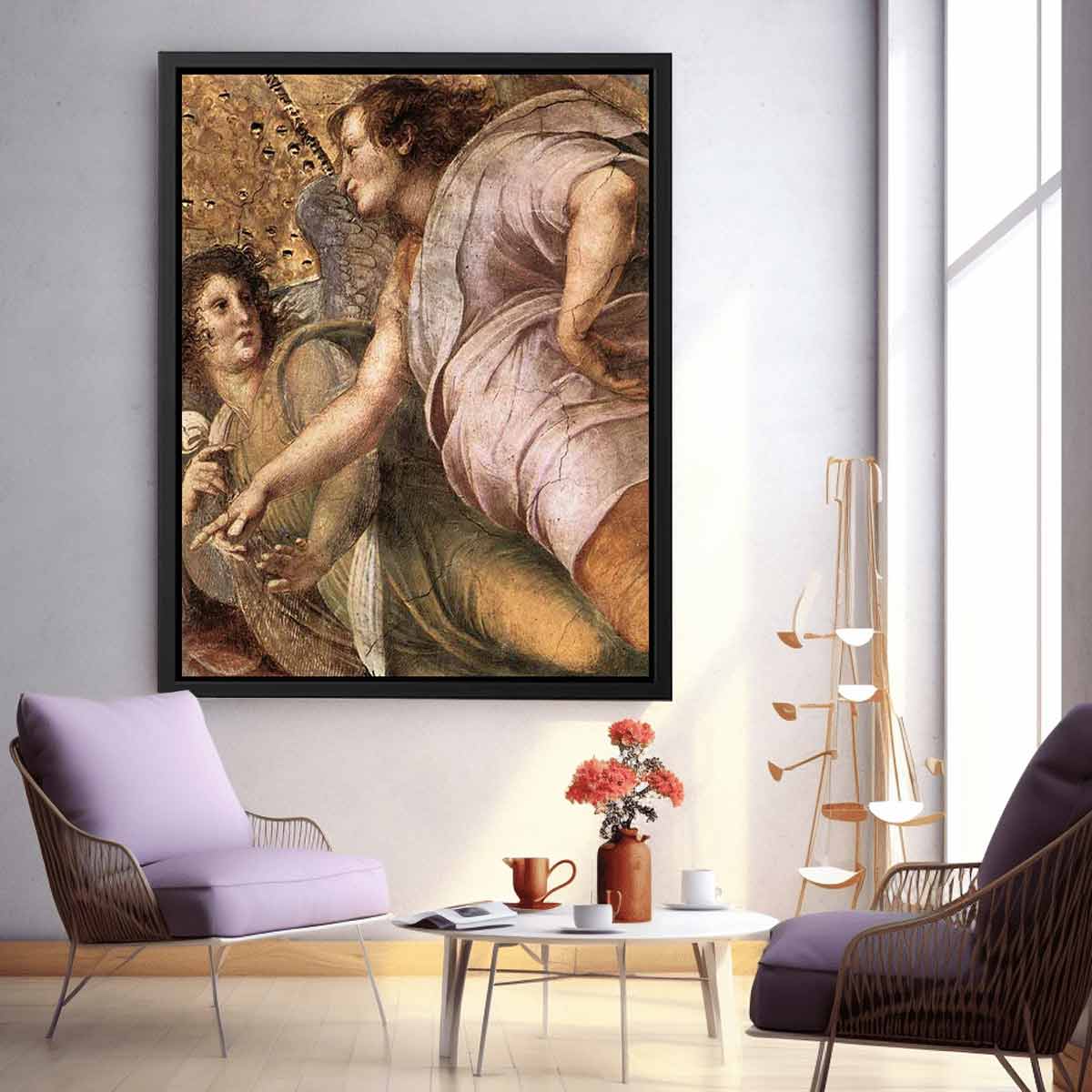
La Disputa (detail) By Raphael


La Disputa (detail) By Raphael

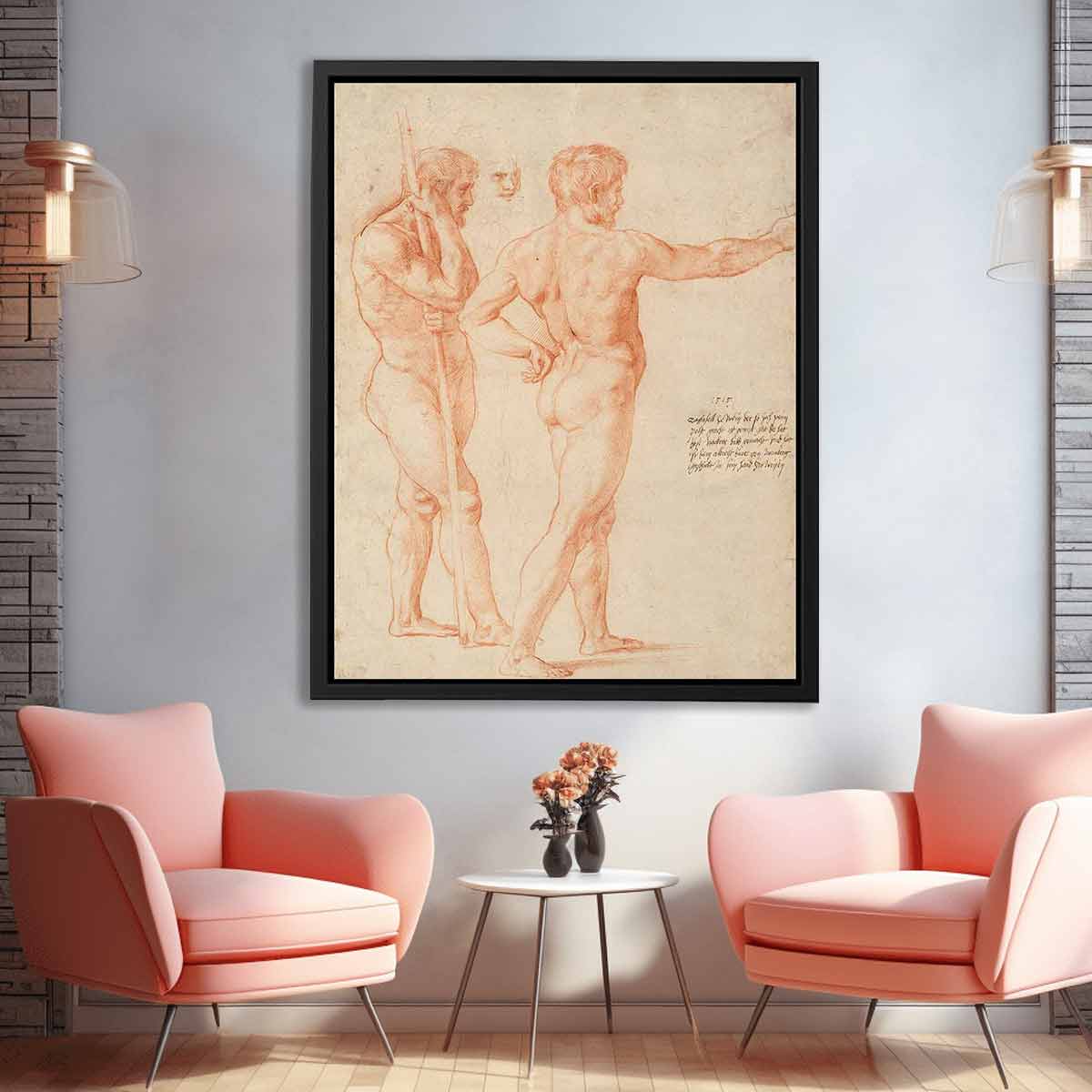
Nude Studies, 1515 By Raphael


Portrait of Pietro Bembo By Raphael


La Disputa (detail) By Raphael

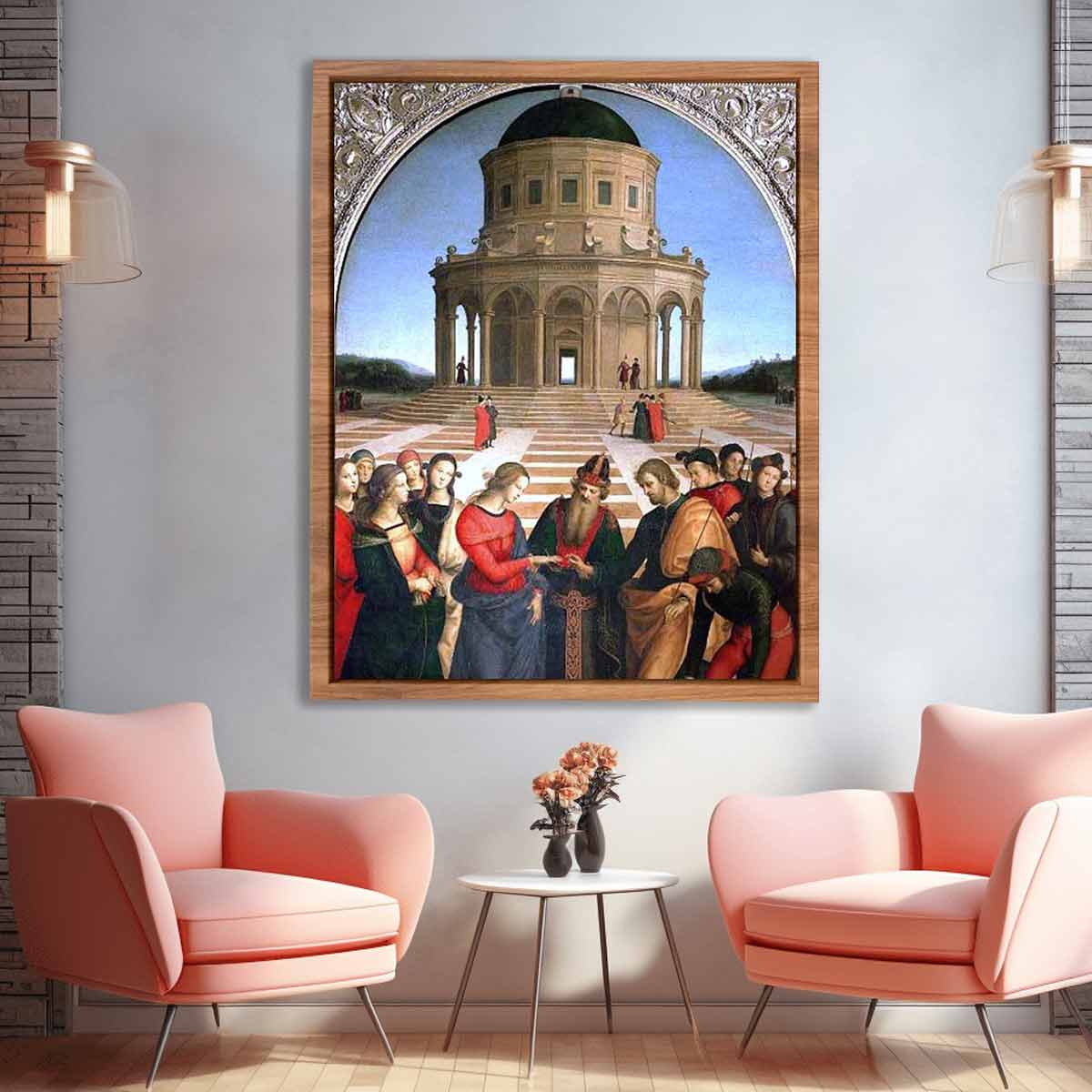
The Marriage of the Virgin By Raphael


Disputa del Sacramento. By Raphael


Saint Michael Trampling the Dragon 1518

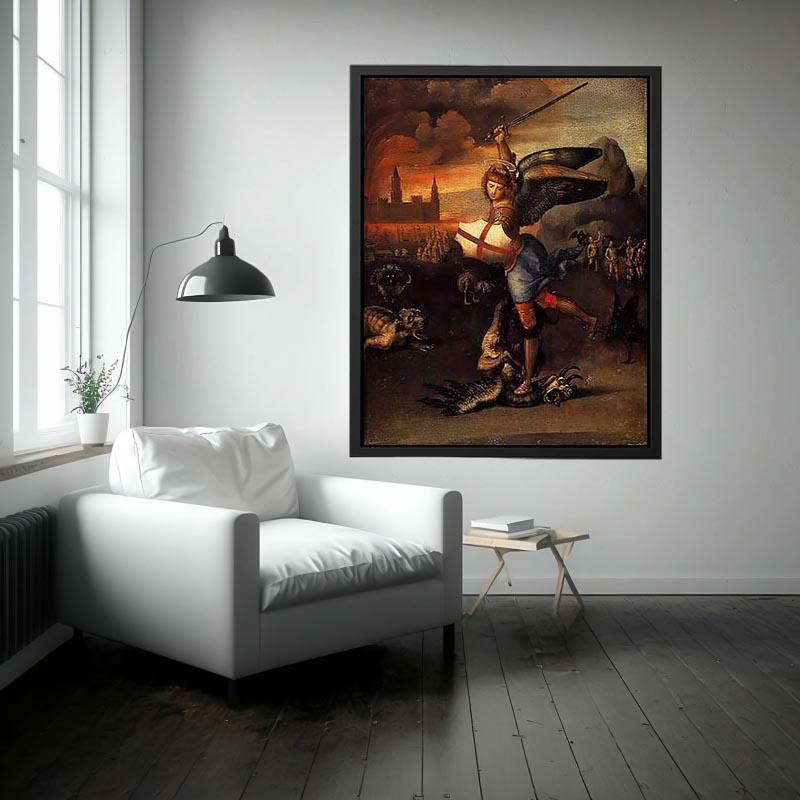
Saint Michael And The Dragon


The Madonna Of The Chair


The Transfiguration

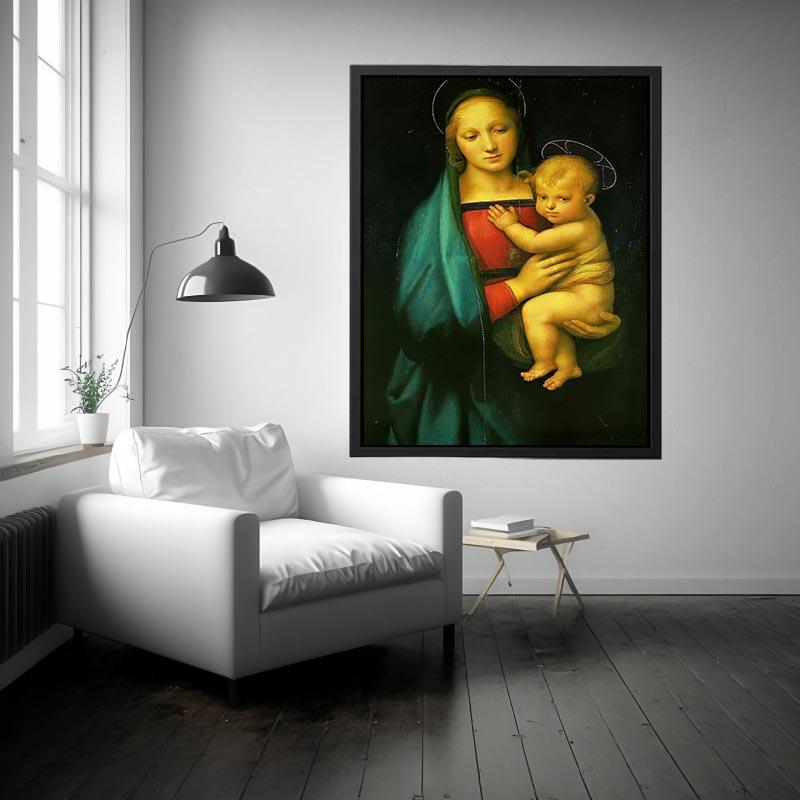
Madonna & Child (Madonna del Granduca) 1505


Disputation of the Holy Sacrament (La Disputa)


The School of Athens Painting

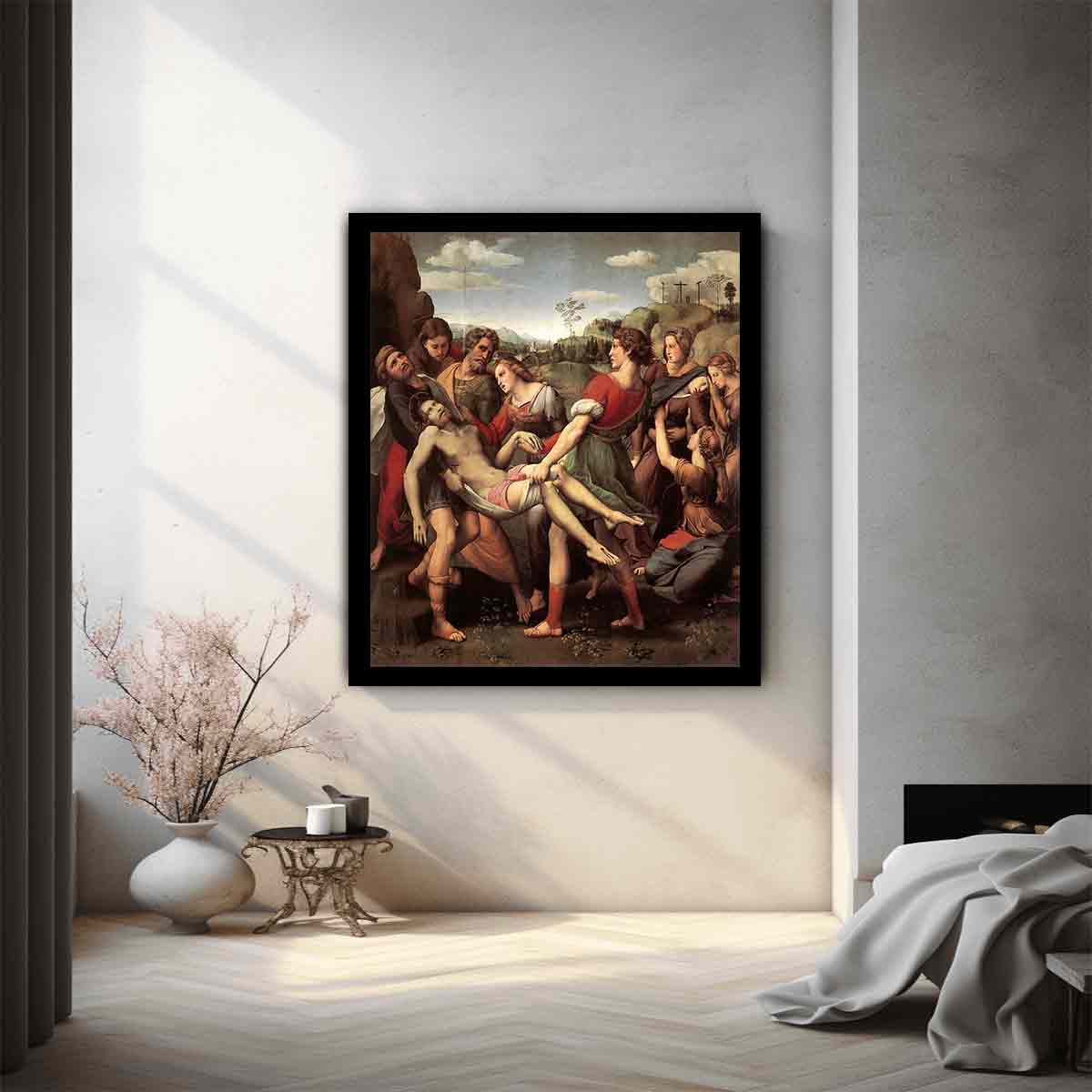
The Deposition By Raphael


The Blinding of Elymas By Raphael


Saint John the Baptist Preaching By Raphael

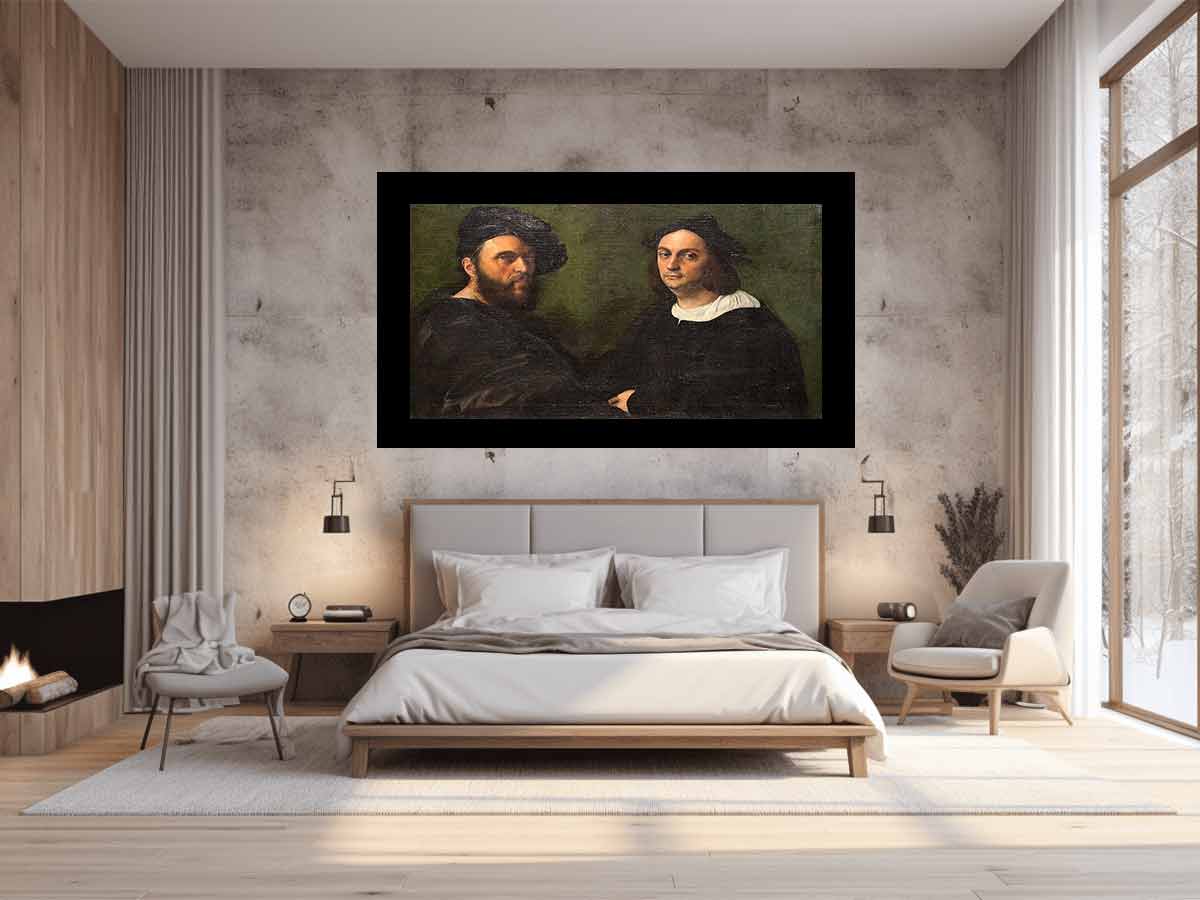
Portrait of Andrea Navagero and Agostino Beazzano By Raphael


he Miraculous Draught of Fishes by Raphael, Vatican Museums

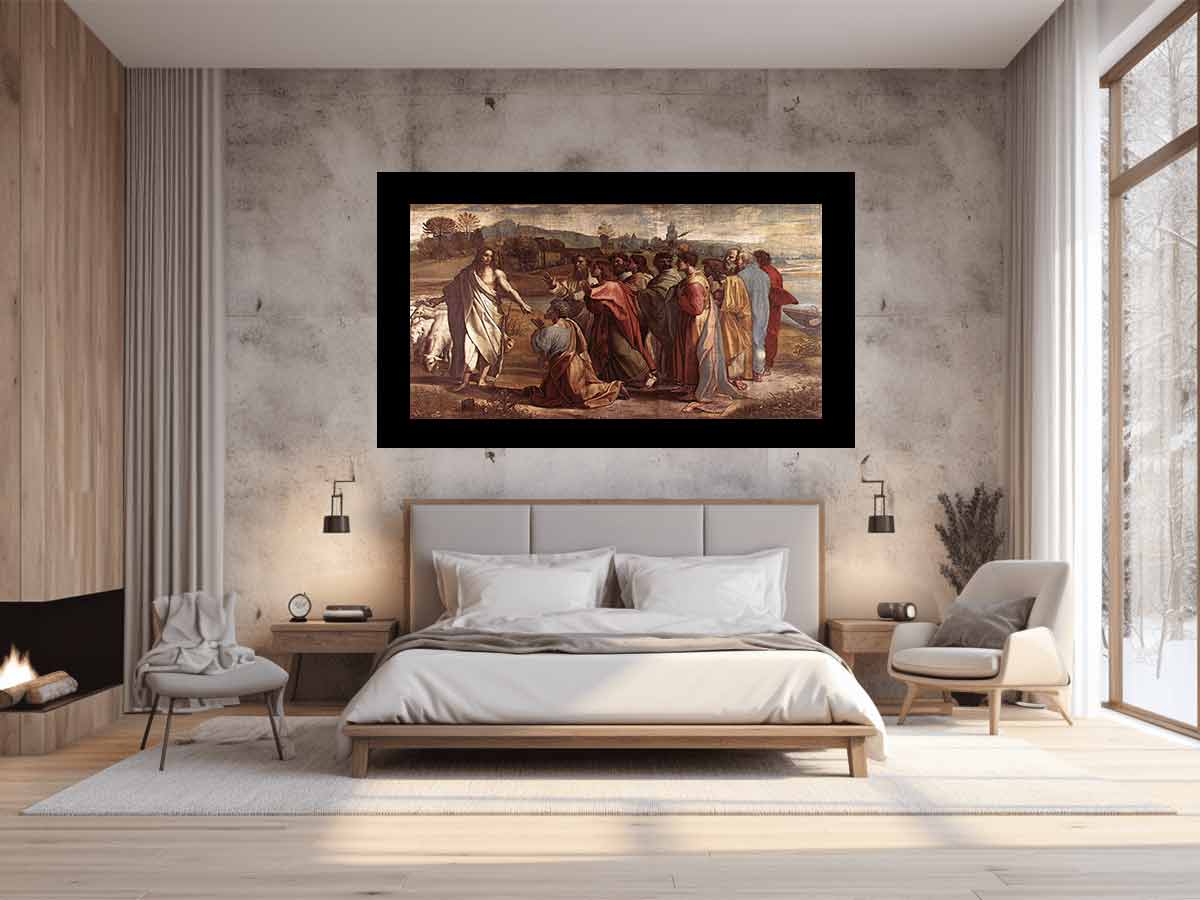
Handing-over the Keys By Raphael


Decoration of the Loggetta By Raphael
Raphael- The Italian artist who produced the Madonnas
The picture of Madonna is famous all over the world. It is a representation of Mary with Jesus. This picture is mostly hung in the wall Catholic and Orthodox churches. This splendid masterpiece was produced by one of the greatest Italian artists and architects, Raffaello Sanzio or popularly known as Raphael. He was the leading figure of Italian Renaissance classism. Apart from the Madonna's, he is also renowned as the producer of Sistine Madonna and his large figure compositions in the palace of the Vatican in Rome. check painting replicas, commission artwork of famous Artists .check our new art and paintings shop online
Life of Raphael
Raffaello Sanzio was born on April 6, 1483, in Urbino, Italy. He was lucky enough to be born in the cultural center of the arts. In fact, Raphael's father, Giovanni Santi, was a painter himself. He painted for the Duke of Urbino, Federico de Montefeltro. Thus, Raphael's first master was his father, who laid the foundation in painting and taught him humanistic philosophy principles at the Duke of Urbino's court. Unfortunately, at the age of 11 years, Raphael lost his father. Soon after that, he took over his father's workshop and paved his road to success enough in a brief period. At a tender age, he was also appointed to paint for the church of San Nicola.
Raphael's journey of Art and architect
In 1500 a master painter, Pietro Vannuci, also known as Perugino, offered Raphael to become his apprentice in Perugia. This apprenticeship was for four years, and the Italian painter gathered great opportunities to gain knowledge and hands-on experience on painting. This was the time when Raphael developed his own unique style of painting. As he was into religious activities, his works of Art were the Mond Crucifixion(circa 1502), The Three Graces (circa 1503), The Knights Dream (1504), and the Oddi altarpiece, Marriage of the Virgin was completed in 1504.
Famous paintings of Raphael
The Madonna and Jesus
The painting that elevated Raphael's fame was 'Madonna.' The word Madonna is derived from Italian vocabulary, and it means 'my lady.' The deep meaning and significance of this picture made a special place in this world. The Madonna and child type is very famous in Christian iconography that was divided into many traditional subtypes. Madonna may be generally used of representations of Marry with or without the infant Jesus, which is the image's focus. The presence of angels or saints has also been proved through these images of Madonna.
The School of Athens
Another very famous painting of Raphael was the 'School of Athens.' It is a fresco by this Italian Renaissance that was painted between 1509-1511. The school of Athens is one of the groups of four main frescoes on the wall of this church that indicates the distinct branches of knowledge. In each of the paintings, there were phrases mentioned, "seek knowledge of causes," "divine inspiration," "knowledge of things divine," "to each what is due."
Marriage of the Virgin
Another masterpiece by Raphael was the "Marriage of the Virgin," also known as Lo Sposalizio, an oil painting painted in 15104 for the Franciscan church of San Francisco. The painting narrates the marriage ceremony between Mary and Joseph.
On April 6, 1520, Raphael's was his 37th birthday; he suddenly and unexpectedly passed away due to unknown reasons in Rome, Italy. He was working on his largest painting on canvas, The Transfiguration, during his last days. When his funeral ceremony was organized at the Vatican, his unfinished Art, Transfiguration, was placed on his coffin stand. Raphael's body was buried at the Pantheon in Rome, Italy.
Raphael- The Italian High Renaissance
After his death, Raphael's movement toward Mannerism influenced painting styles in Italy's advancing Baroque period. Although it was respected and followed for the balanced and harmonious compositions of his "Madonnas," portraits, frescoes, and architecture, Raphael continues to be widely regarded as the leading artistic figure of Italian High Renaissance classicism.