Ivan Aivazovsky

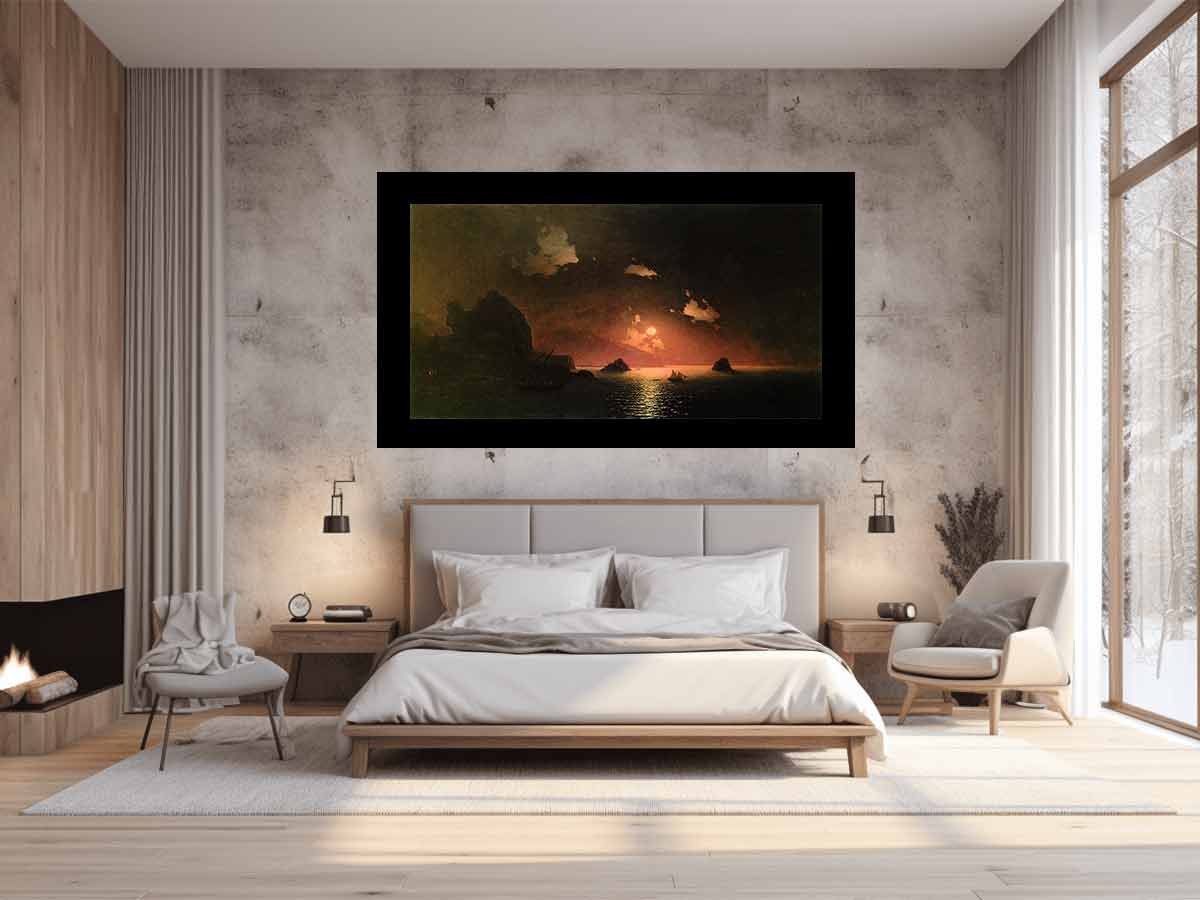
Gurzuf at night

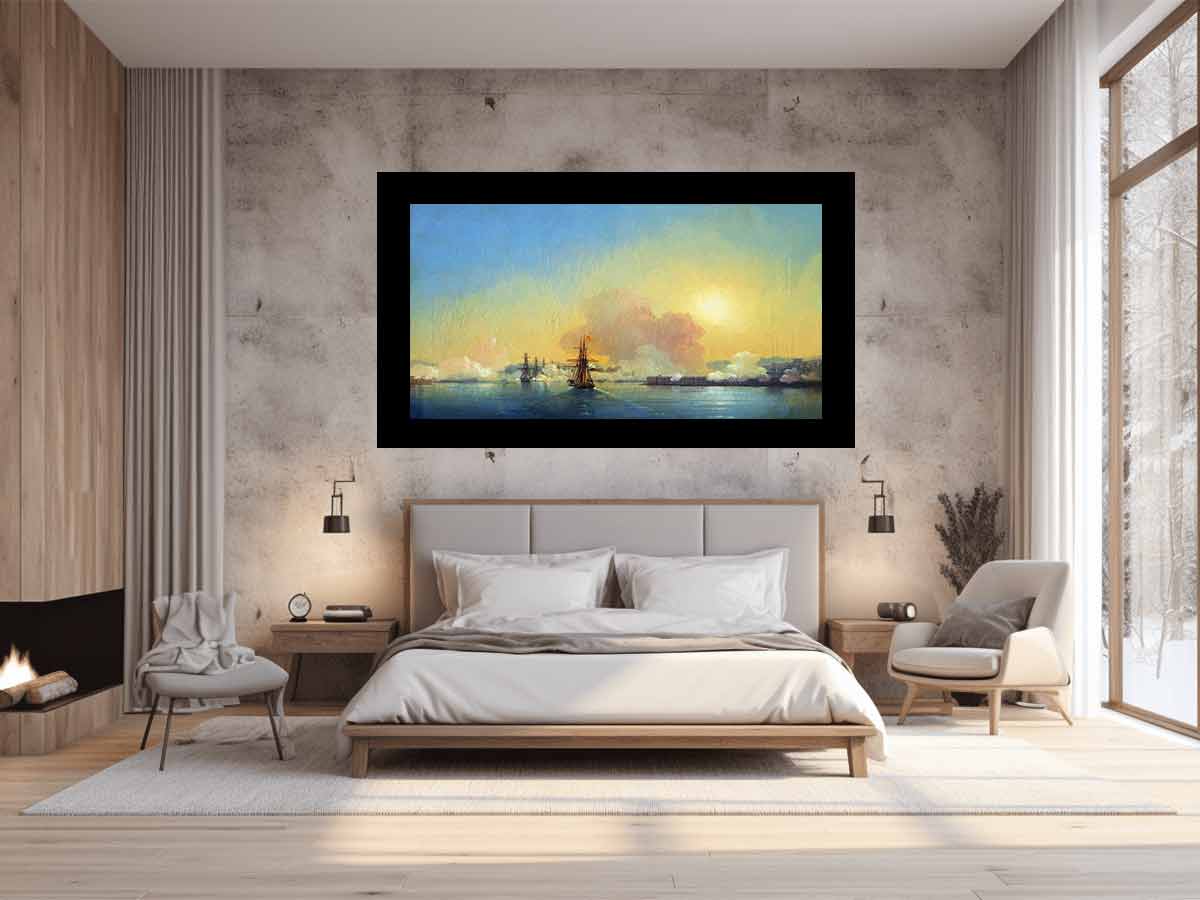
Entrance to the Sevastopol Bay.


Crimean Coast by Moonlight

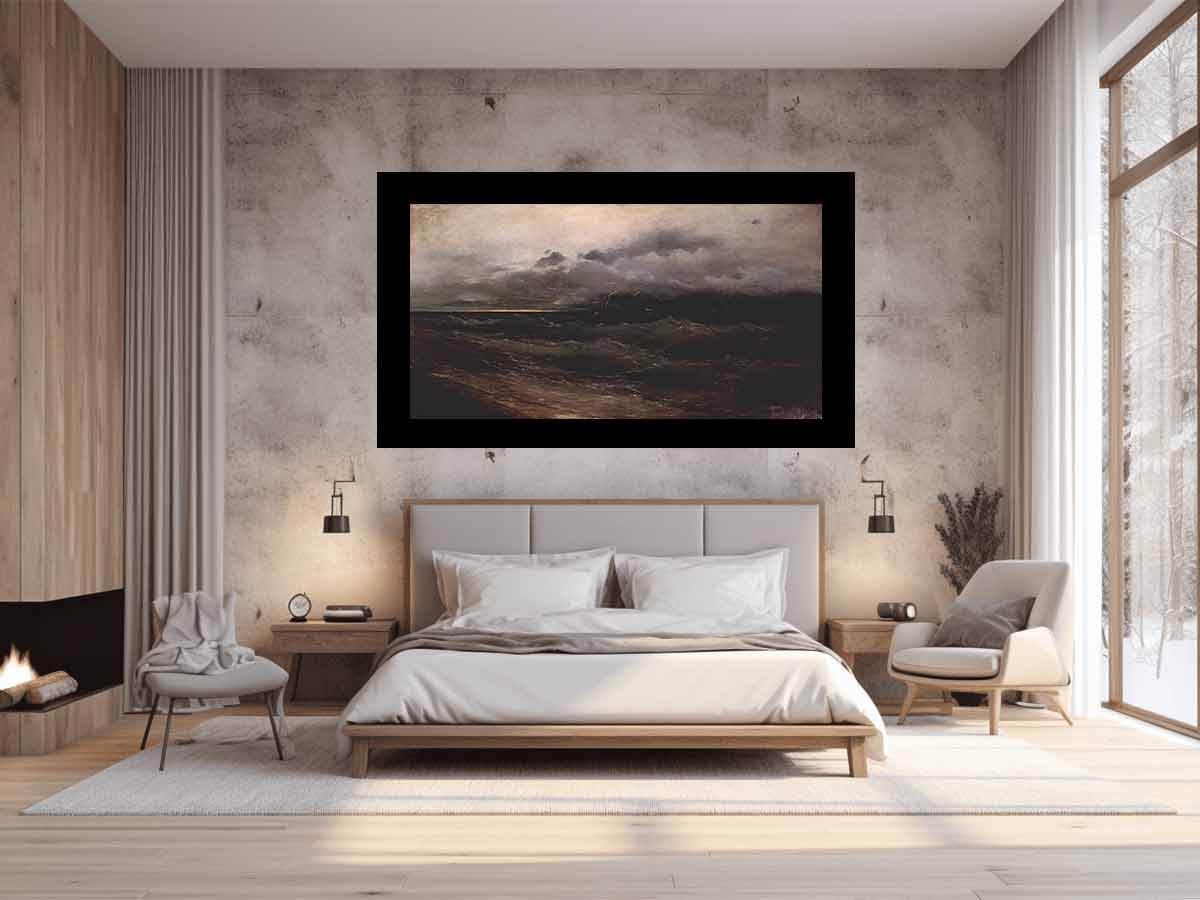
Ships on Stormy Sea, Sunrise

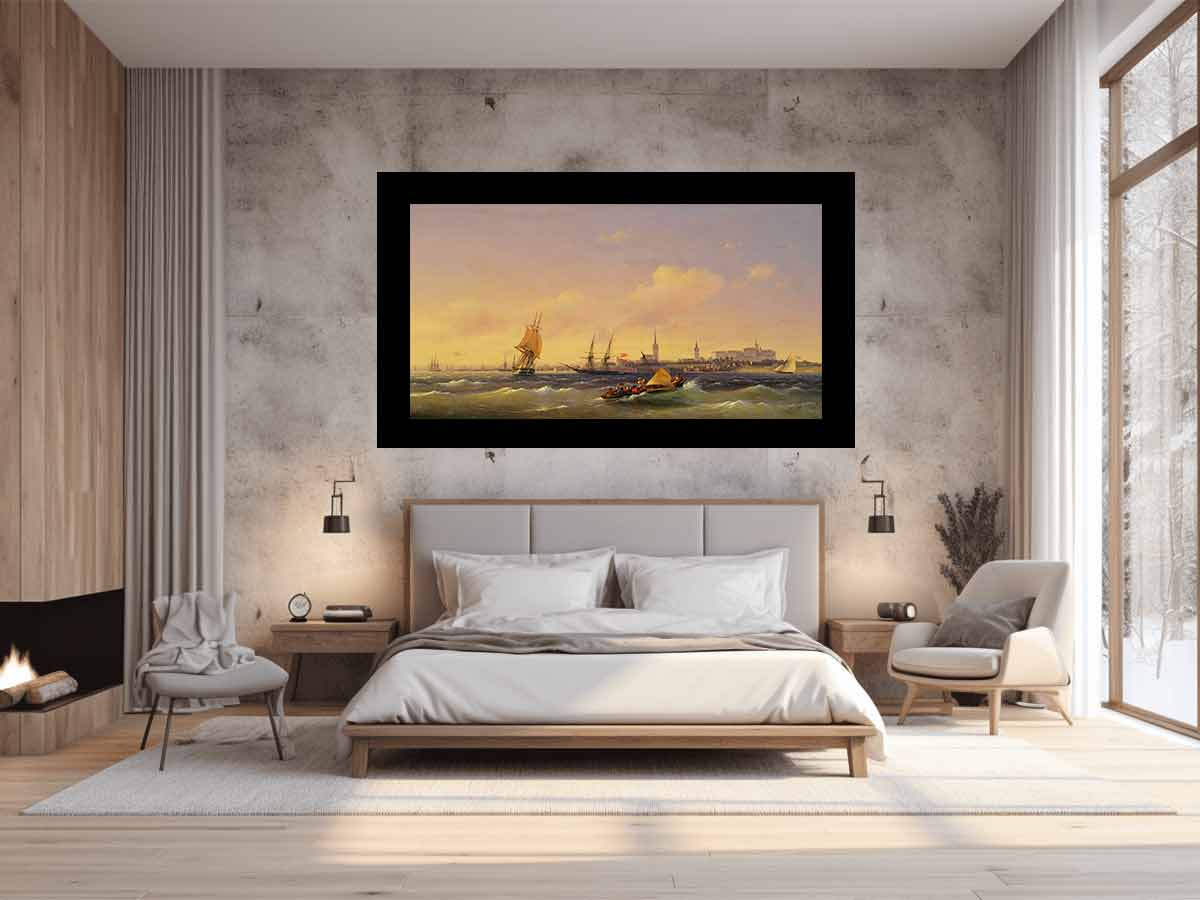
Reval


Dusk on the Golden Horn


Descent of Noah from Ararat


Crimean Tartars on the Sea Shore

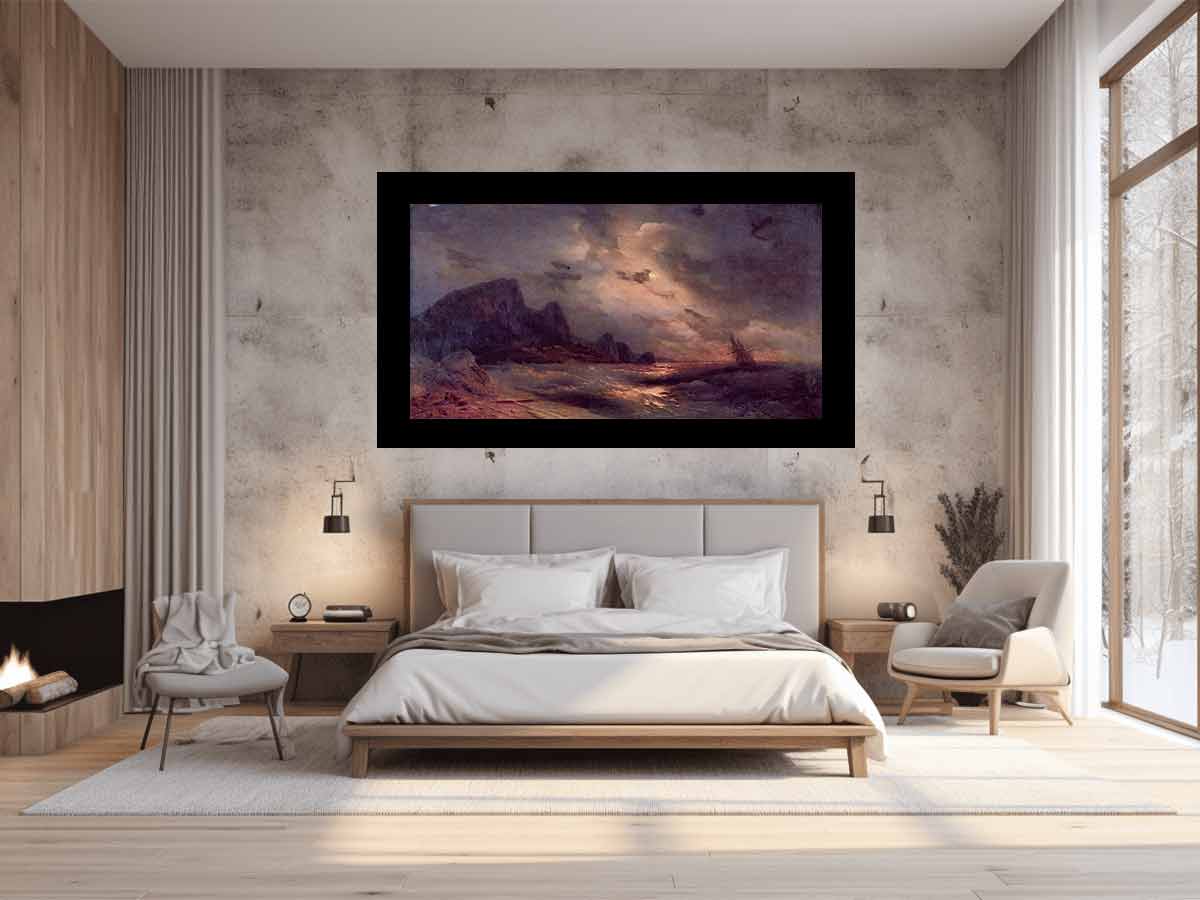
Die See


Coffee-house by the Ortaköy Mosque in Constantinople

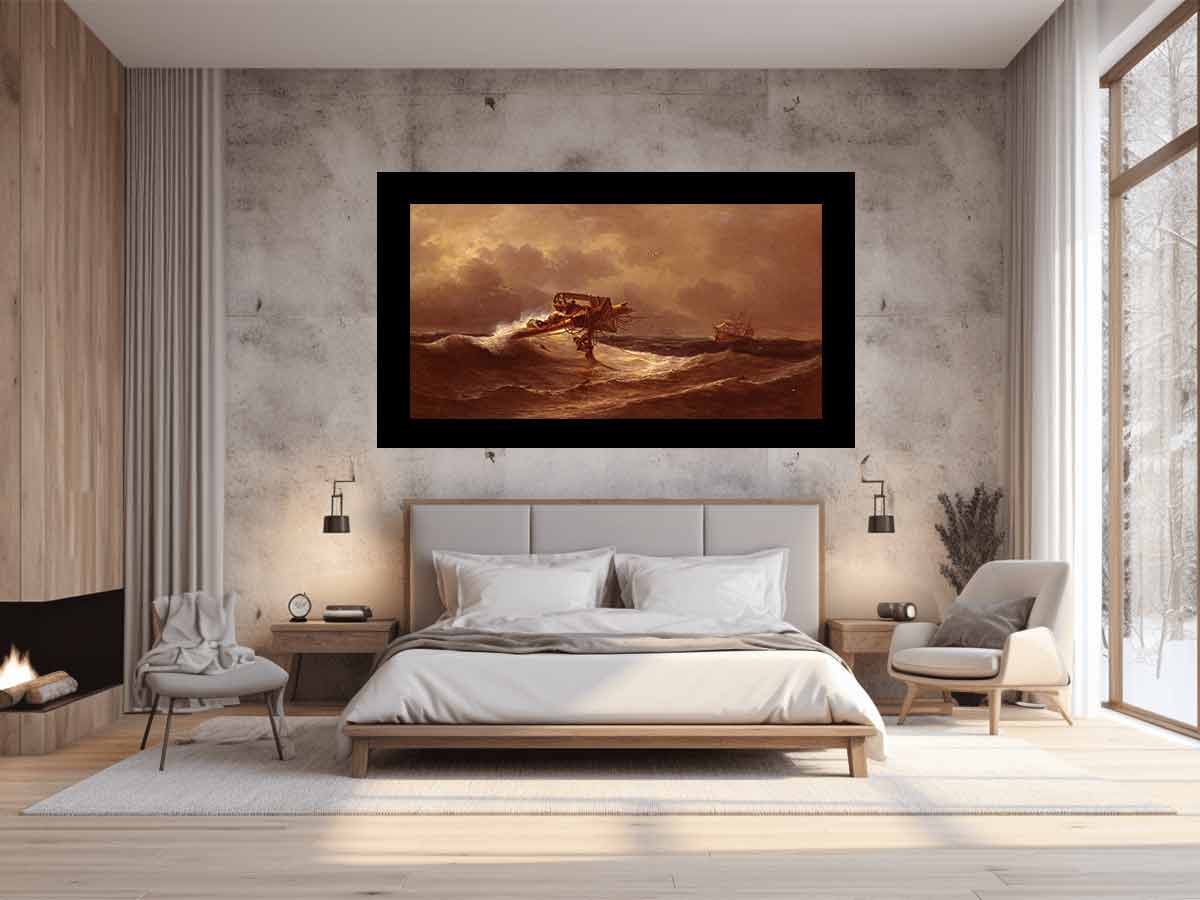
The Rescue


Sea coast at night. Near the beacon

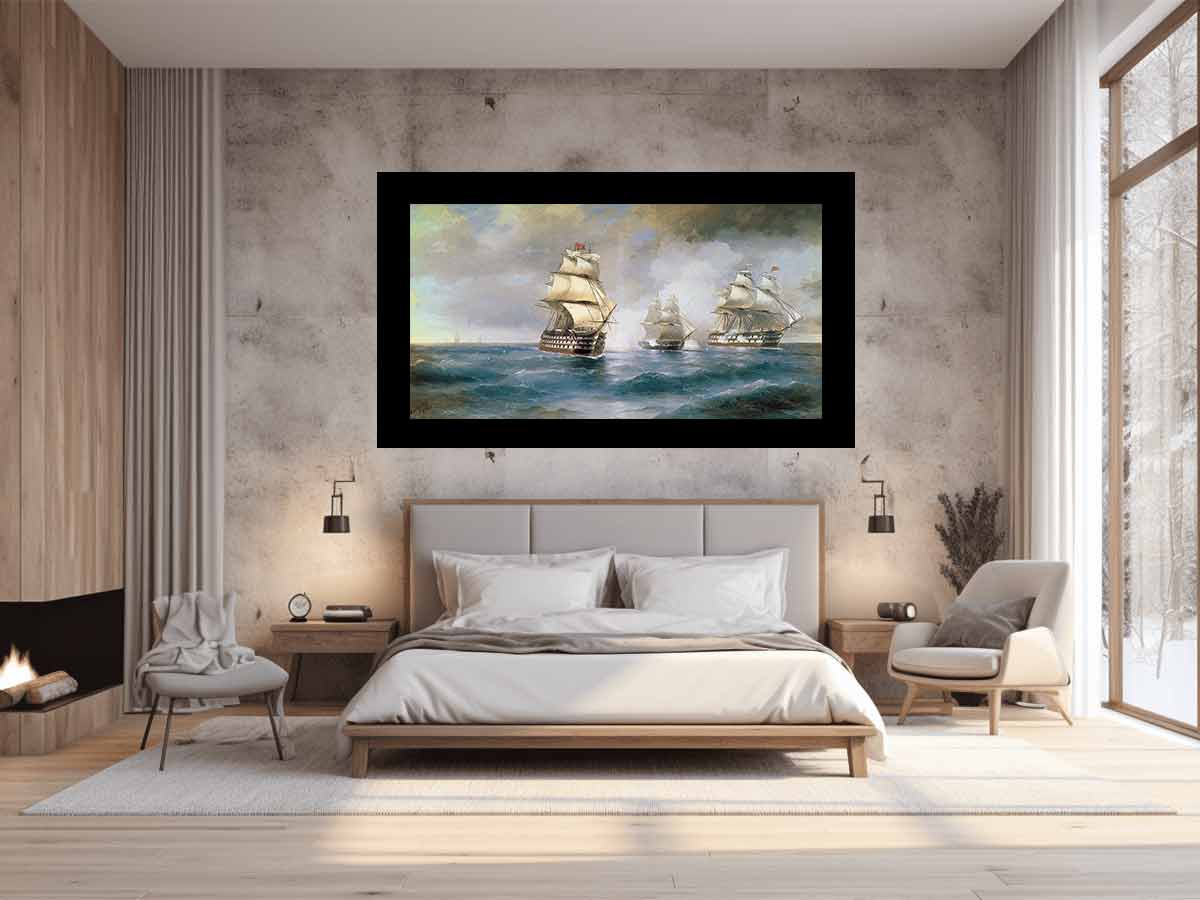
Brig “Mercury” Attacked by Two Turkish Ships


View in Crimea at sunset


Bracing The Waves


Chaos. The Genesis

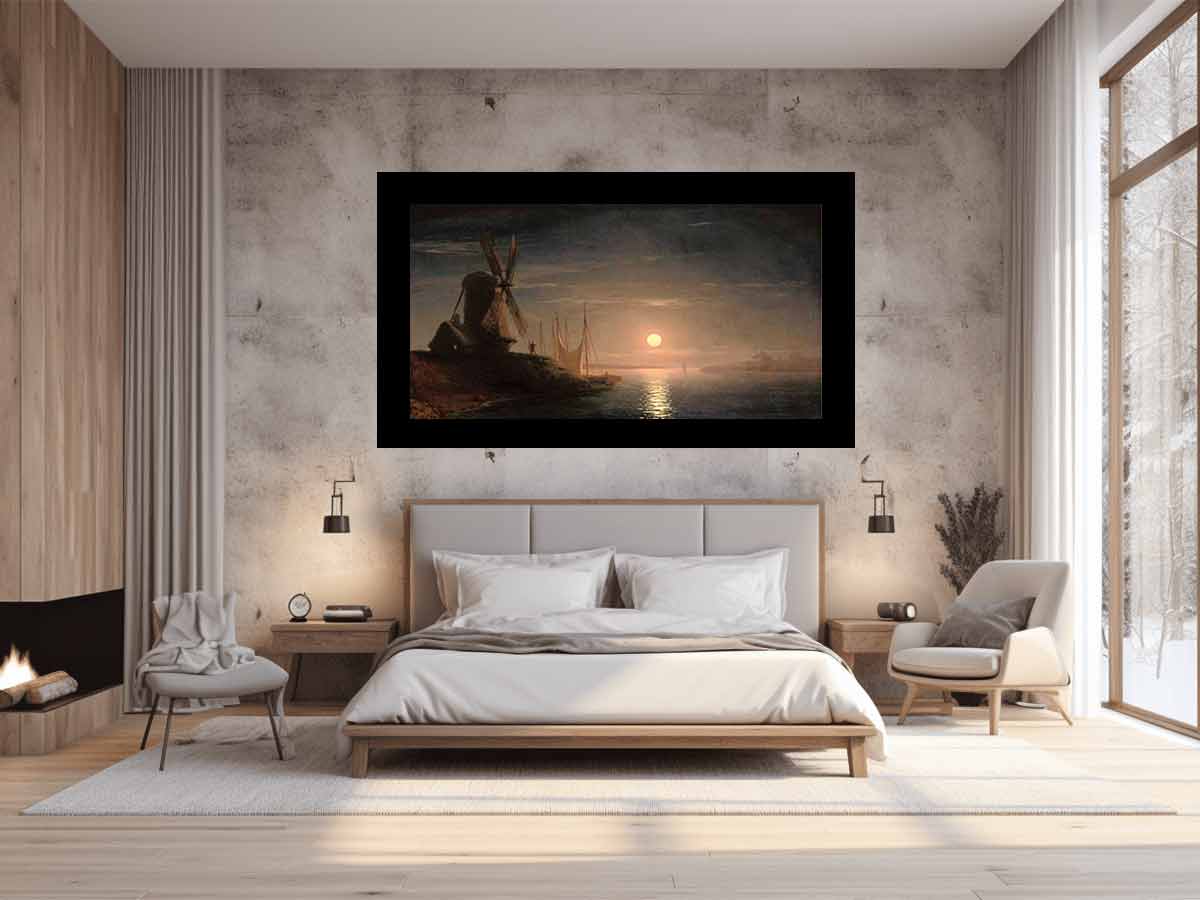
A windmill overlooking a moonlit bay


A. S. Pushkin and Countess M. N. Raevskaya by the sea near Gurzuf


Moonlit Landing


Caucasus from the sea


Byron's visit to the Mekhitarists on San Lazzaro

Look to the Large Cascade and Large Petergof Palace


View Of The Ayu Dag Crimea

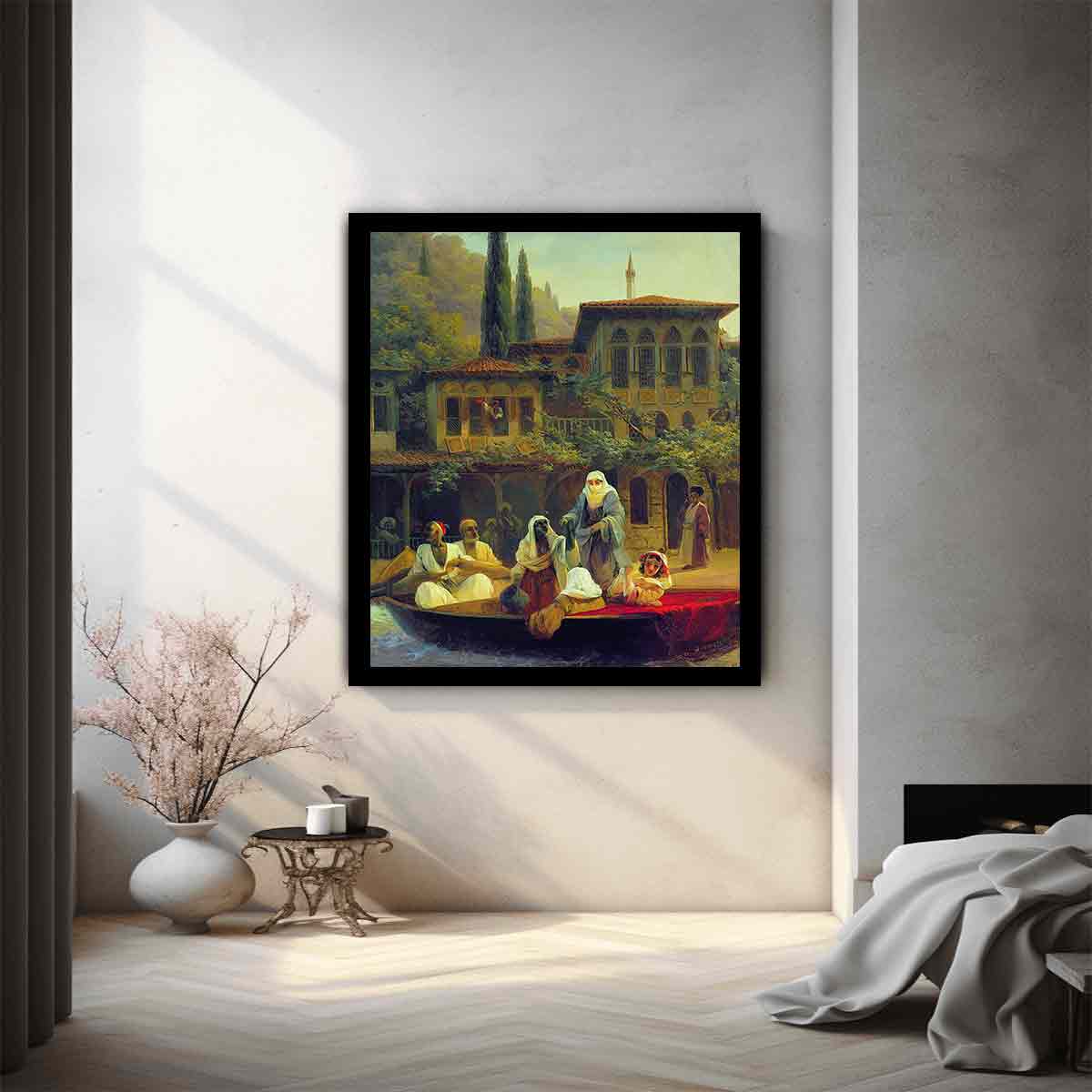
Boat Ride by Kumkapi in Constantinople


Nocturnal Voyage


Fishermen on the shore

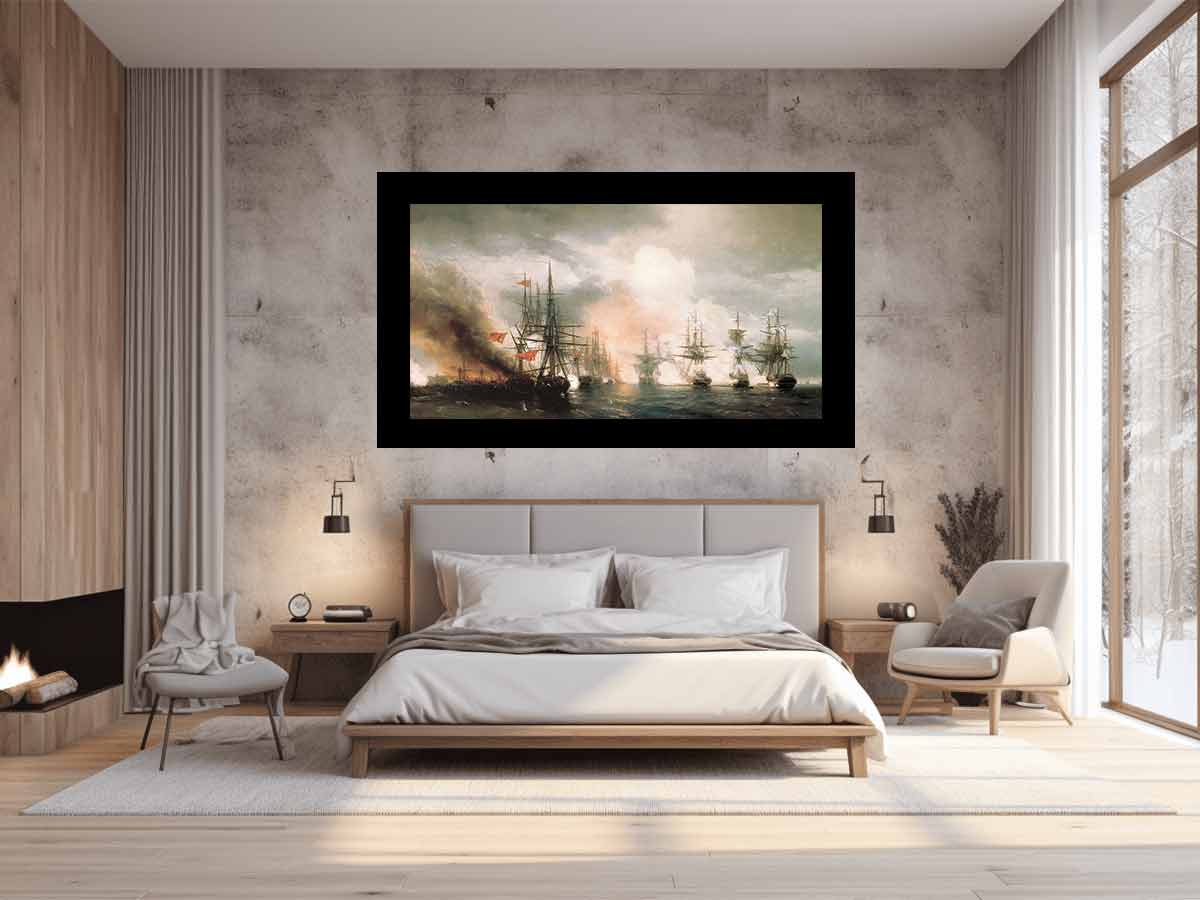
Battle of sinope


View of Moscow from the Sparrow Hills


Peter

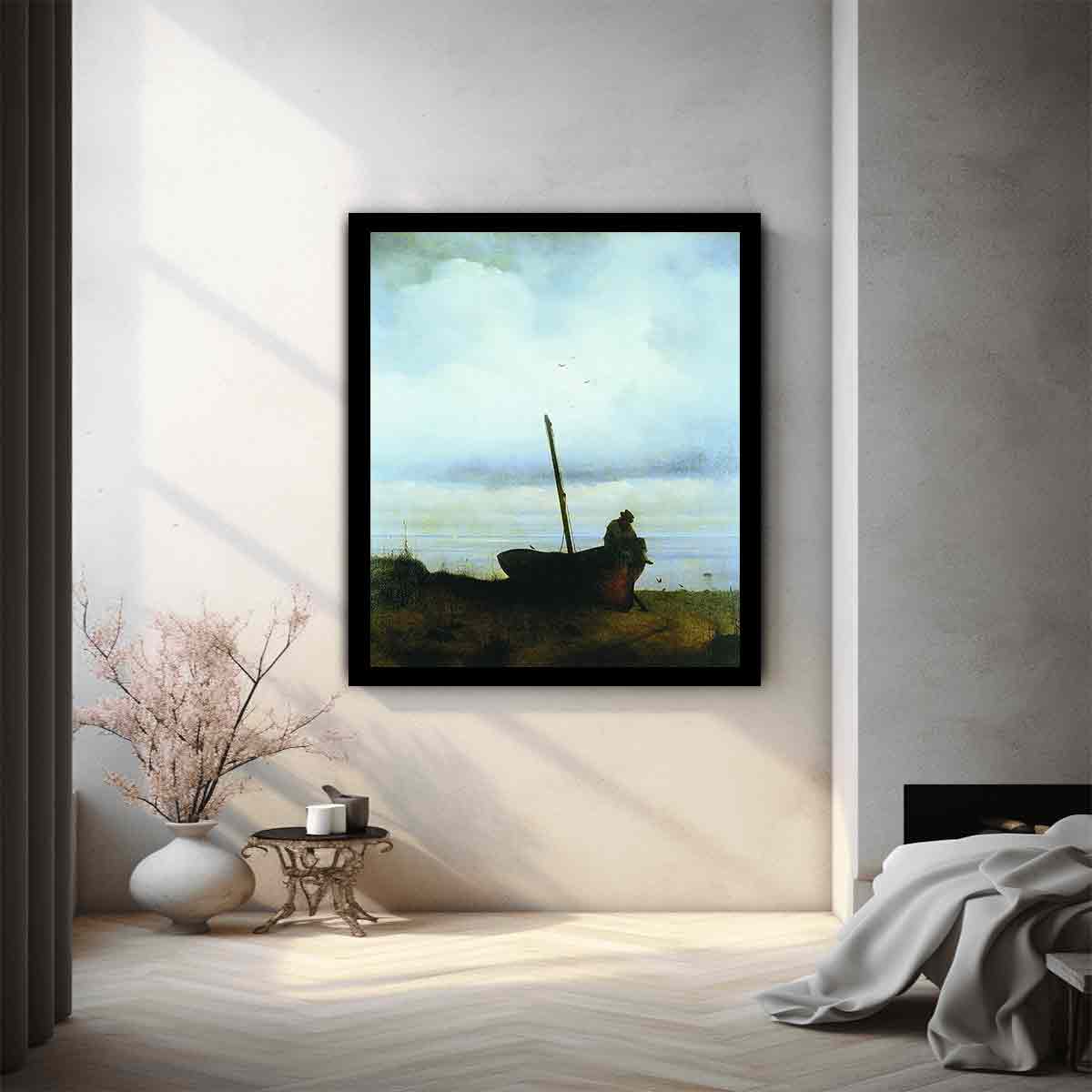
View to the sea coast near St. Petersburg


The Harbor at Odessa on the Black Sea


Alexander II Crossing the Danube


View of Constantinople and the Bosphorus


The Caucasus


Theodosia Bay, sunrise


Windmill by the Sea.


Moonlit night in the Crimea.


Ice on Dnipro


Moon night on the Crimea. Gurzuf.


Night in Constantinople
Ivan Aivazovsky and his contributions
Ivan Konstantinovich Aivazovsky (1817-1900) is well known for his contribution to drawing and paintings. He is also popular for his painting on romantic seascapes, where he gained much criticism. In the 19th century, he was considered the most prominent marine artist.
His background and family:
Ivan Konstantinovich Aivazovsky was born in the city of Feodosia, Russia, on 29th July 1817. His mother was a Feodosia Armenian, and her name was Ripsime. His father's name was Konstantin, who was an Armenian merchant. In the 18th century, Ivan Konstantinovich Aivazovsky and his family migrated from Western Armenia to Europe due to numerous familial conflicts. He was known as Gevorg Aivazian, but in the later period, he changed his last name to Gaivazovsky. Konstantinovich Aivazovsky had four siblings - one brother and three sisters. Among them, the great historian Gabriel was their elder brother to him.
He got married to an English governess, Julia Graves, in 1845. They had four daughters. But later, they got divorced. After that, he married a young Armenian widow named Anna Burnazian.
Educational status:
At first, Ivan Konstantinovich Aivazovsky has learned from Feodosia's St. Sargis Armenian Church. He learned his first drawing from a local architect Jacob Koch. In 1833, he moved towards the Russian capital to study at the Imperial Academy of Arts. Here, he attended the famous Russian landscape painter - Maxim Vorobiev, where he got a silver medal for the first time in 1835.
He worked with the French painter Philippe Tanneur as an assistant in 1835. Later, he joined the Baltic German painter Alexander Sauerweid in 1837 to learn battle painting. In the same year, he got graduated with a gold medal from the Imperial Academy of Arts. In 1840, he visited Europe for further studies, where he got more influenced by Italian art. Afterwards, he visited different places in the Netherlands, Germany, Switzerland, and Britain to explore more. After his return to Russia, he joined as the official artist of the Russian Navy.
Later, he was elected to the Royal Netherlands Academy of Arts and Sciences. He also got elected to Stuttgart's Royal Academy of Fine Arts as an honorary member. This is not all; he has many more achievements.
His Works:
He has generated nearly 6,000 paintings during his lifetime. Research says that Aivazovsky's most of the painting depicts the sea. The English poet Rosa Newmarch says that Aivazovsky always paints from his memory and related to the seaboard. He was mostly praised for his unique painting - reflected moonlight and sun, the effect of moving water.
In his life, he held more than 55 solo exhibitions. His work style reflects realistic elements in the paintings. His paintings are popularly based on seascape, landscapes, orientalist themes, religious paintings, and Armenian themes. He used many delicate colours in his paintings. Since the 1850s, he took an interest in archaeology, and he engaged himself in archaeological excavations with farmers.
Awards and Achievements:
- In 1857, he achieved the Legion of Honor in the French empire.
- In 1858, he was awarded the order of the Medjidie in Ottoman Empire.
- In 1859, he was awarded the order of the Redeemer in the Greece Kingdom.
- In 1865, he achieved an order of St. Vladimir in his birthplace Russian empire.
- In 1874, he was awarded the order of Osmanieh in the Ottoman Empire.
- In 1893, he got the order of the White Eagle in the Kingdom of Poland.
- In 1897, he achieved the order of St. Alexander Nevsky in Russian Empire.
Death:
In Feodosia, he took his last breath and died on 2nd May 1900. His demise was a big loss to the painting and art firm. But he remains alive in everyone's heart for his excellent works. And he shall always be remembered for his great contributions.