
Edward Lear


Wild Blossoms


The Dead Sea, 16 and 17 April 1858


La Cava, 20 July 1838


La Cava, 19 July 1838


Corfu from Ascension

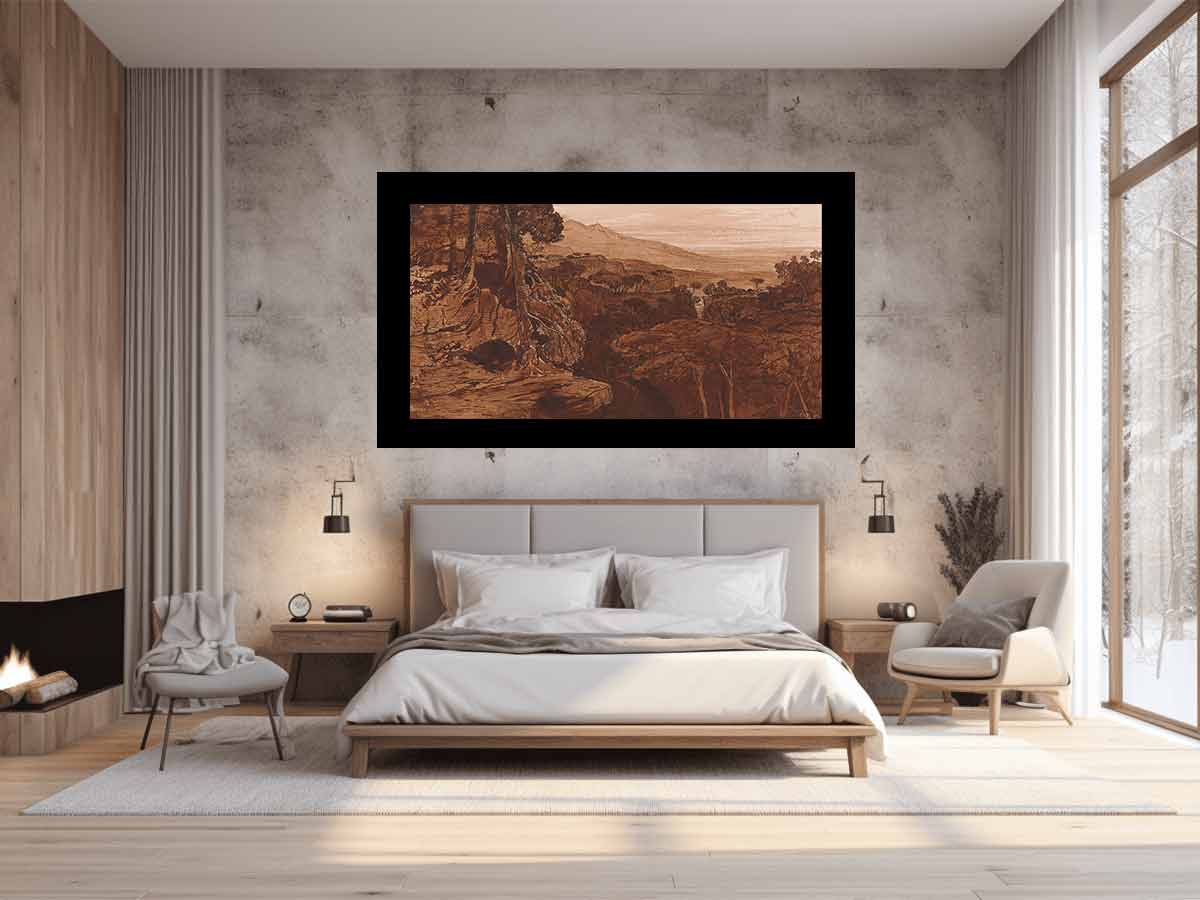
Bavella, Corsica


The Temple of Apollo at Bassae


Parham, October.13.1834


View across a Meadow to a Church


Corfu from Santa Decca


Corpo di Cava


On the Road, Two Hours from Tepelene, 19 April 1857

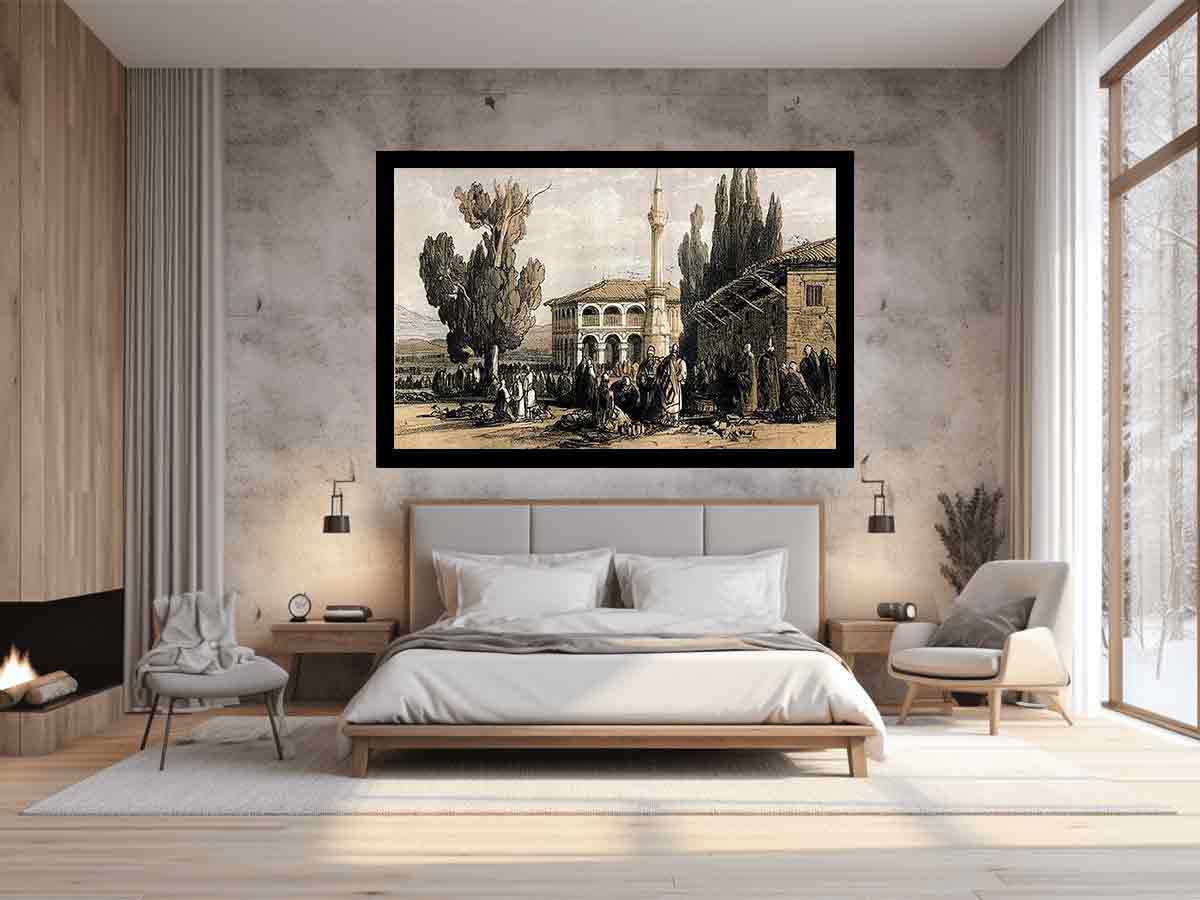
Tyrana - Lear Edward


Near Wady Halfeh


Nuneham


Campagna of Rome from Villa Mattei, from Views in Rome and its Environs, 1841

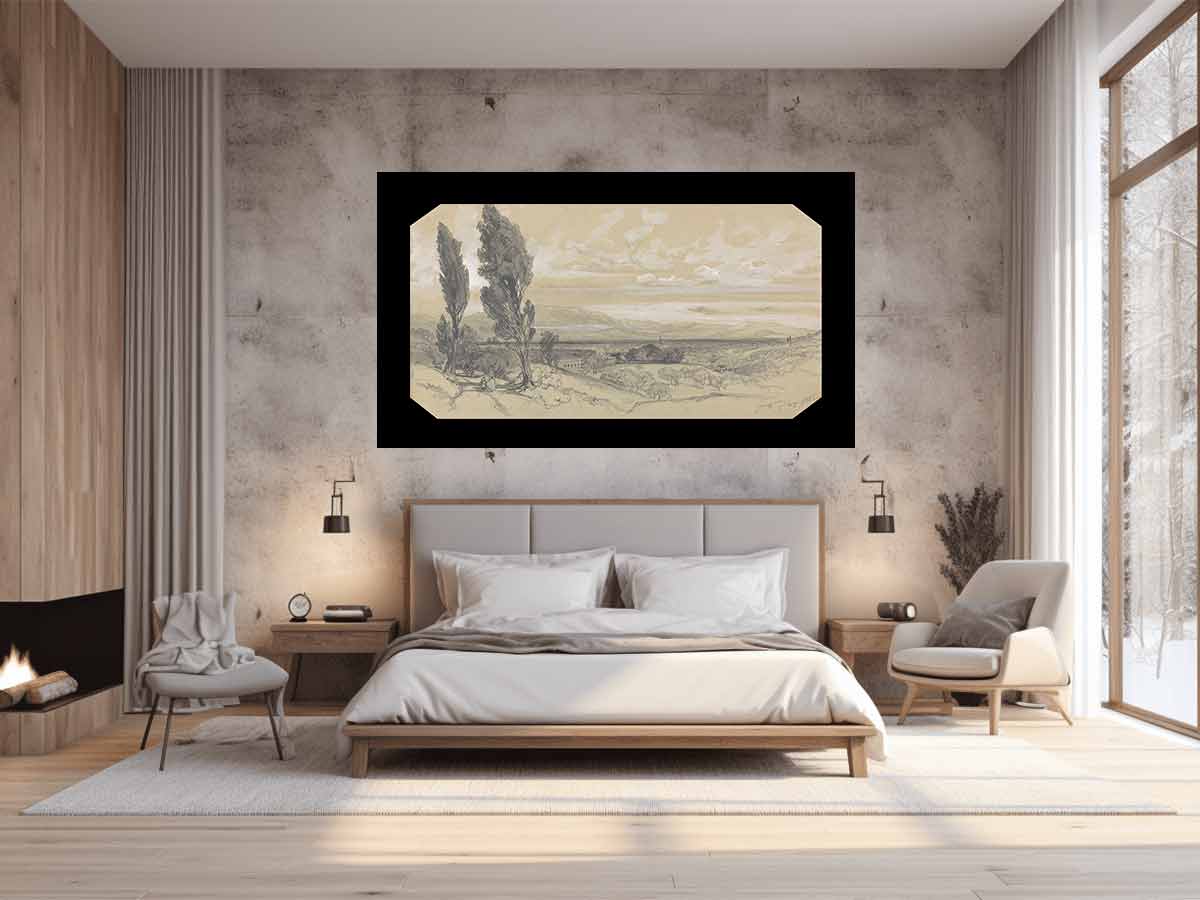
Genezzano, 17 May 1838


Kangchenjunga from Darjeeling


The Pyramids Road, Gizah
Edward Lear was a British painter and poet best known for his absurd wit. Edward Lear was born on May 13, 1812, and started his career as an artist when he was just 15. His father was a stockbroker of Danish origins who was sent to prison when Edward was only 13 years old. So Edward was forced to earn his living. Edward quickly gained popularity for his work in 1832 and got a chance to work in the London zoological society to draw illustrations of birds. In the same year, the Earl of derby invited Edward to stay at his place, and Edward stayed there until 1836.
His first book was A Book of Nonsense, which was for the grandchildren of the Derby household. In 1836, Edward decided to work on landscape painting, and between the years 1837 and 1847, he travelled throughout Asia and Europe. After returning to England, Edward's journals were published in many volumes as to the Traveler landscape painter. Edward was very popular, but people ignored his travel books in the 20th century. His witty poems, such as "the owl and the pussycat", were very popular. Edward found fun in everything vivid in his poems, which were based on his distinct perspective about the world. Looking for painting copies , commission artwork of famous Artists
The life of Edward Lear.
Edward was born in a middle-class family in the village of Holloway and was the 21st child of Ann and Jeremiah's and was raised by his eldest sister Ann. Ann took care of Edward until her death When Edward was 50 years old. Due to the family's poor financial condition, Edward and his eldest sister left home and started living separately. Edward suffered many health issues throughout his life. From the age of six, he suffered from seizures, asthma, bronchitis, and later got partially blind. For his epileptic condition, Edward felt insecure and lonely, leading him to go into depression. He showed early signs of depression at the age of seven, which persisted as he grew up. His diaries show that he used to sense seizures and removed himself from the people. However, it is still a mystery about how he felt it. In Edward's time, epilepsy was considered a demonic possession that was away from people.
Edward travelled mostly throughout his life and finally got settled in Sanremo. He got two proposals and both to the same woman 46 years his junior, which was not accepted. For company, he mostly relied on friends and correspondents. One of the most trusted companions of Edward was his cat, who died in 1886, and was buried under a garage in Villa. After a long decline to his death, Edward died in 1888 due to heart disease, which he suffered since 1870. Edward's funeral was very sad and lonely, and not one of Edward's friends attended.
Career
Edward was already drawing "for bread and cheese" when he turned 16 years old; he developed into an ornithological draughtsman employed by the zoological society. Edward's First work was published when he was 19. His paintings gained popularity and were compared with Audubon. In 1830 Edward applied to the zoological society of London to get permission to draw parrots with a vision of publishing his book. In the 13th, Earl of derby started collecting natural history drawings and books. Lord Stanley wanted Edward to Paint the mammals and birds. During 1831-1837: Edward was at Knowsley, and his relationship with Lord Stanley became more formal. Also, he has written his first book for the grandchildren, great-grandchildren of Earl's.
In 1837 Lear left Knowsley and shifted to Rome.
Stanley supported his decision that helped Lear to be a better artist. While Lear was in Rome, he travelled for eleven years through Italy and became a landscape painter. Lear maintained his relationship with the 13th Earl by sending him paintings. Also, after the death of the 13th Earl, the 14th and 15th Earl's of Derby continued to show interest in Lear's artwork. Throughout his life, he continued to paint, and only a few of his paintings were published, and he didn't get the recognition he deserved.
Musician
Lear was able to play the piano, flute, guitar, and accordion. He has also composed many Victorian poems and, and he was popular for his many musical settings; he published four settings in 1853 and five in 1859. Later in the year 1860, he published three settings. Lear also composed music for his nonsense songs include the owl and the pussycat. He never performed his songs, except at social gatherings.
Author
In 1846 Lear published A Book of Nonsense that went popular, and the helps the genre "literacy nonsense" be famous. In 1871 he published many Nonsense stories, songs, alphabets, and botany that include the most popular nonsense song, "the owl and the pussycat," and that it was for children. The nonsense books gained so much popularity at that time. Nowadays, limericks are published in five lines; however, in Lear's, published limericks in different formats. Some of the editions have limerick in just two lines.
There was an Old Derry down Derry, who loved to see little folks merry;
So he made them a Book, and with laughter, they shook, at the fun of that Derry down Derry!
In the case of Lear's limerick, that last and First-line ends with the same word, and for most of the part, it doesn't make any sense. And an example is
There was an Old Man of Aôsta
Who possessed a large Cow, but he lost her;
But they said, "Don't you see she has run up a tree,
You invidious Old Man of Aôsta?
Lear's work will always be a gift to humankind.