
Alphonse Mucha


Flirt

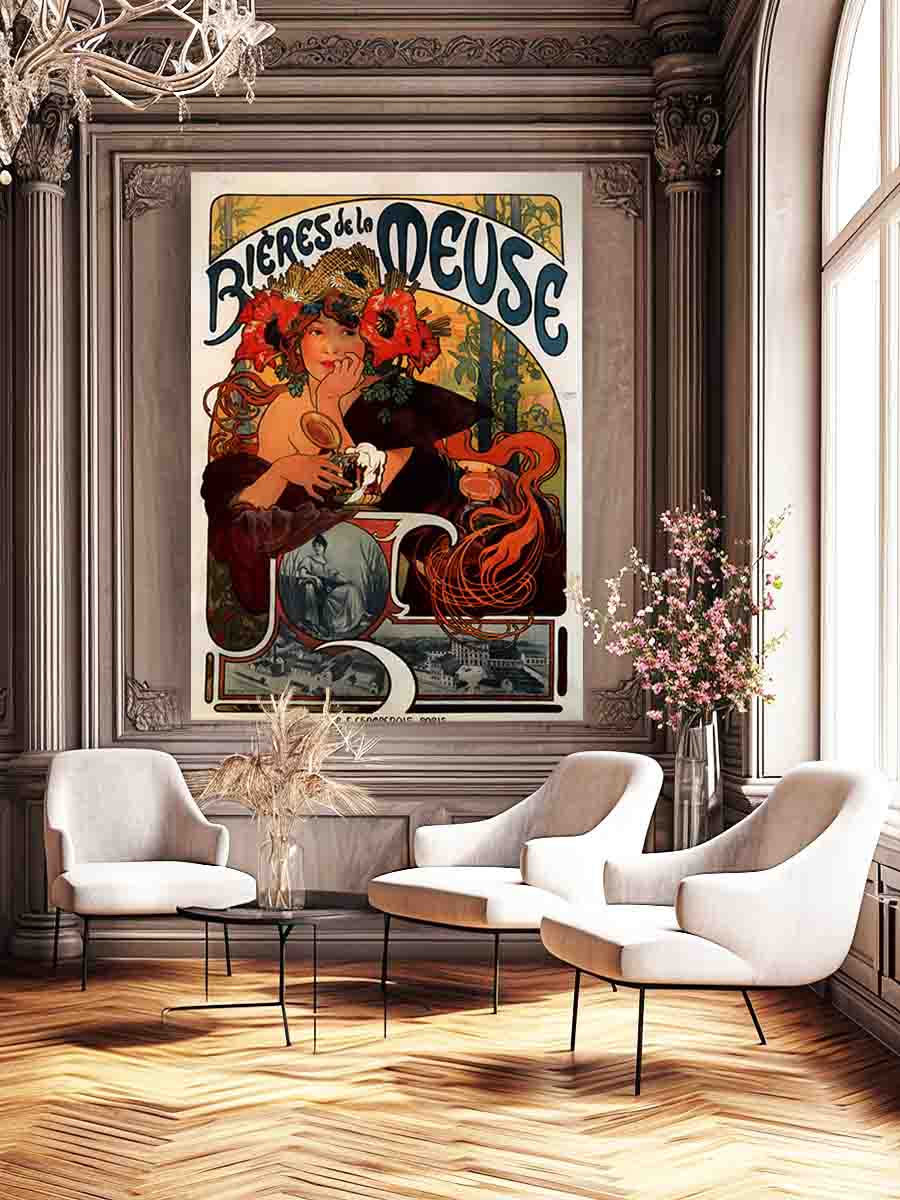
Alfons Mucha - 1897 - Bières de la Meuse


Flickr - …trialsanderrors - Sarah Bernhardt American tour, poster by Alfons Mucha, 1896

Princess Hyacinth, color lithograph by Alphonse Mucha, 1911


The Red Cape


Dance


Series The Flowers, "Lily"


Lune et etoiles 1902


"Poetry", part of the series The Arts


Winter Night


Nestlé's Food for Infants


Savonnerie de bagnolet Alfons Mucha


Portrait of Mucha's Daughter, Jaroslava


Alfons Mucha - F. Champenois Imprimeur-Éditeur

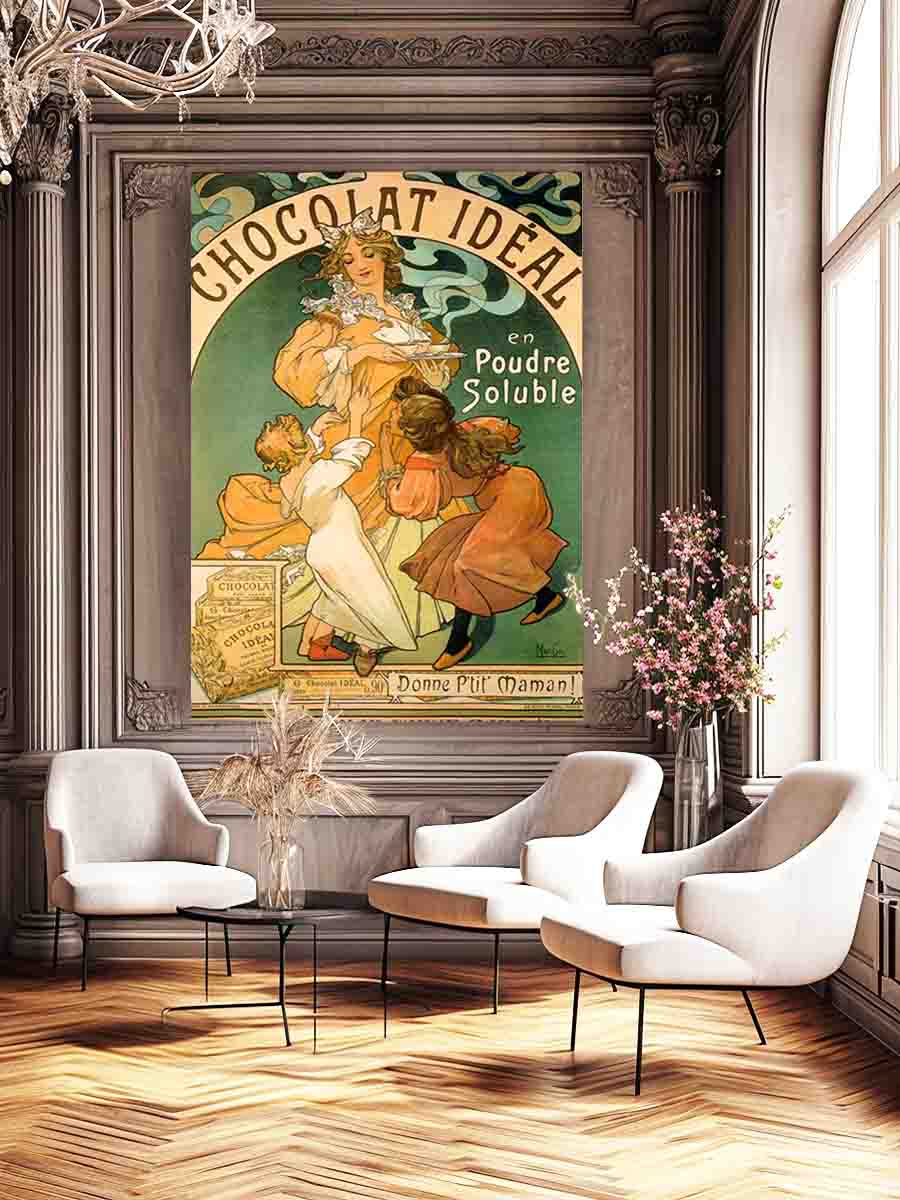
Affiche Chocolat Idéal

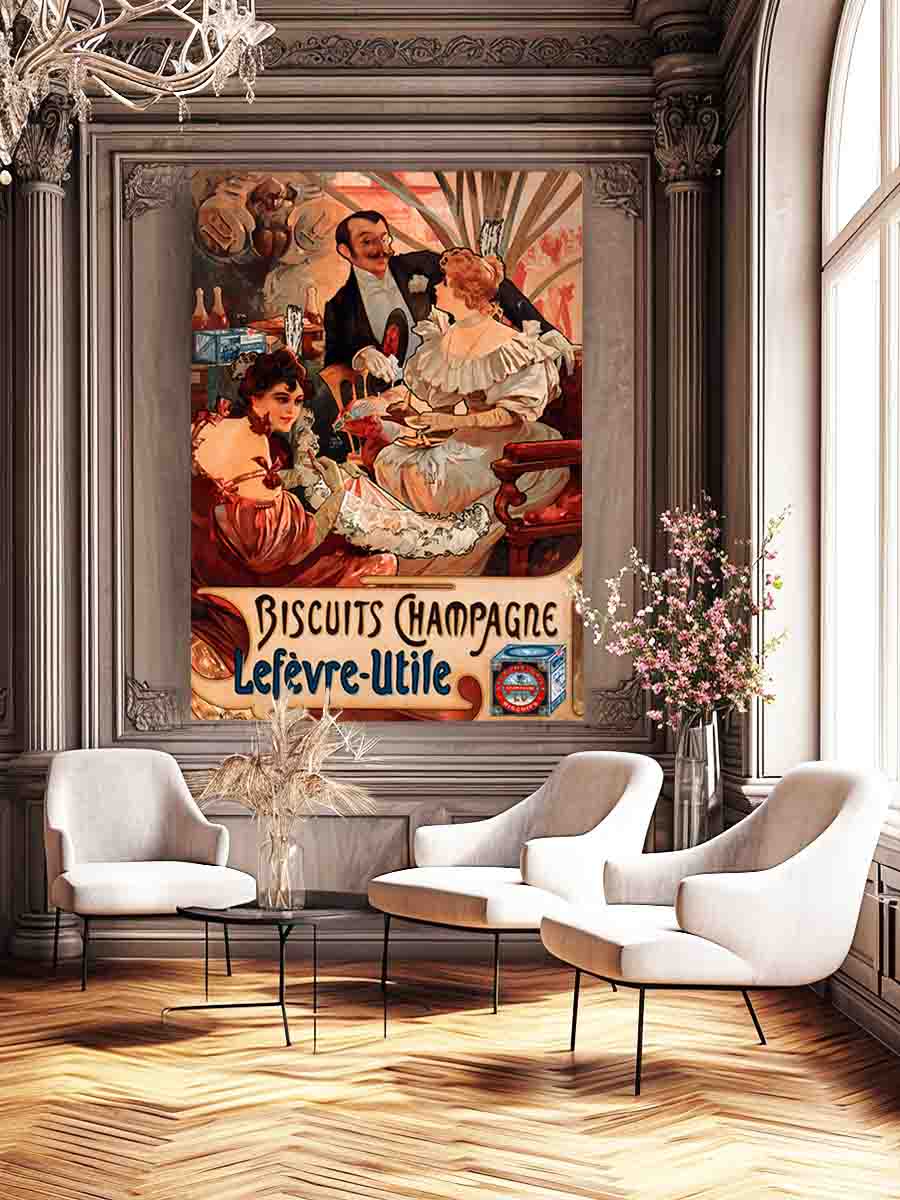
Alfons Mucha - 1896 - Biscuits Champagne-Lefèvre-Utile


"Poetry", part of the series The Arts


The coronation of the Serbian Tsar Stefan Dušan as East Roman Emperor

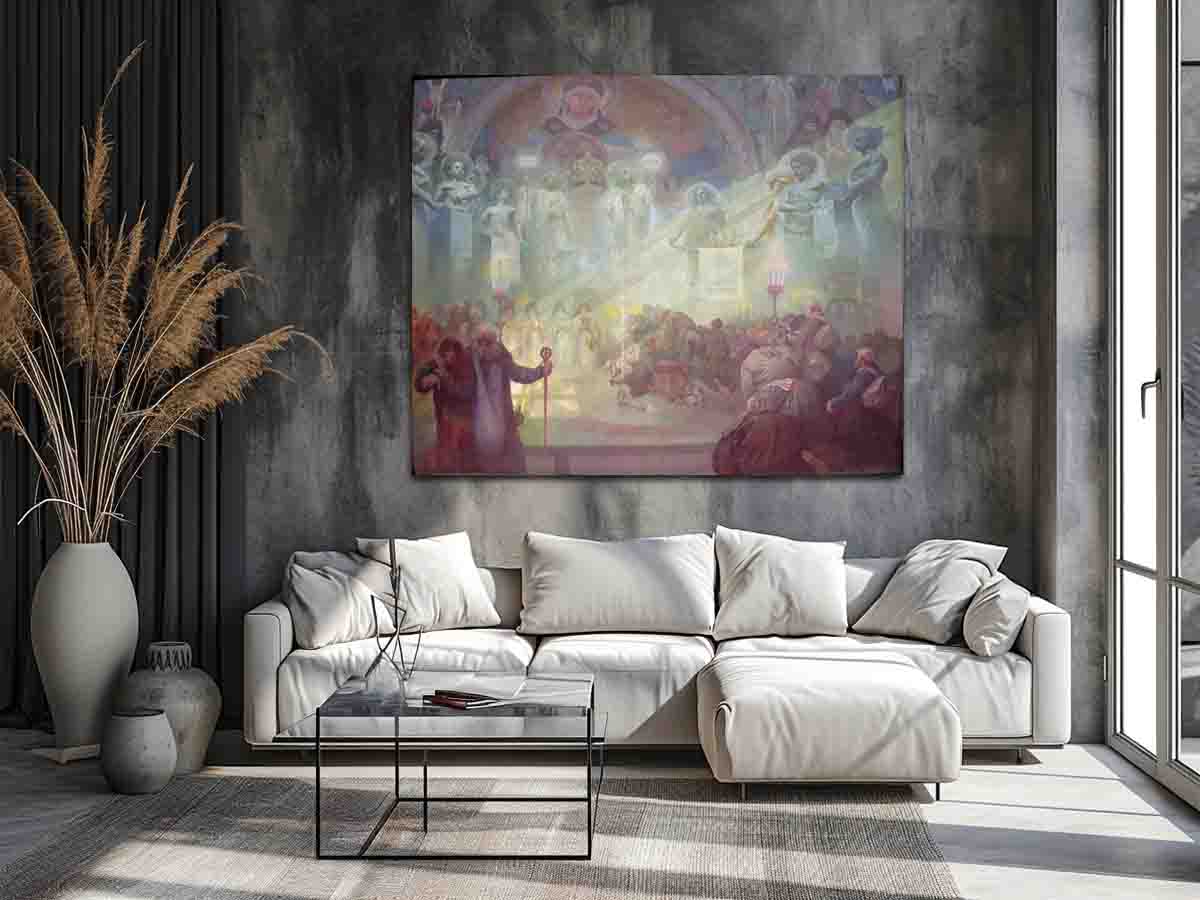
The Holy Mount Athos


The Introduction of Slavonic Liturgy


Mucha The moon


"Music", part of the series The Arts


Painting, part of the series The Arts


The Hussite King Jiří of Poděbrady and Kunstat: Treaties are to be Observed

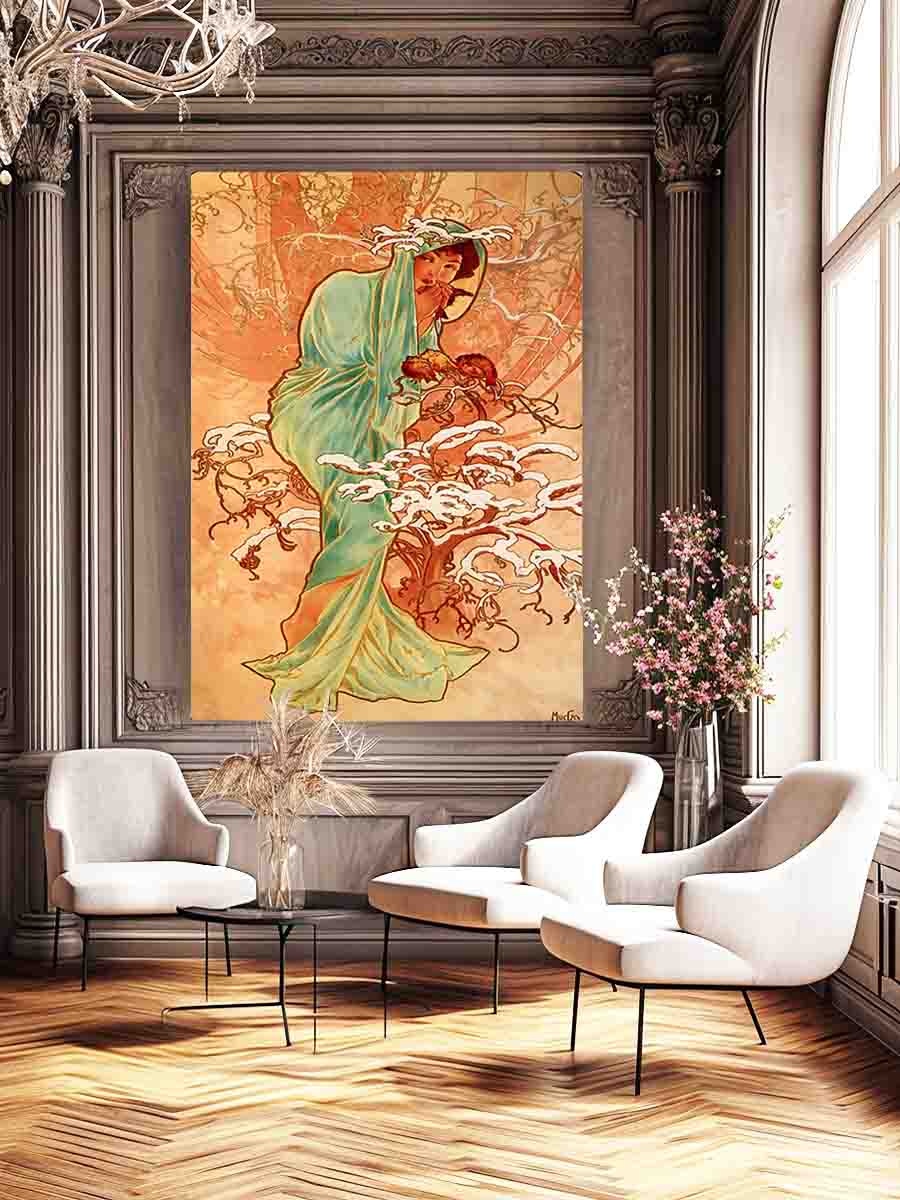
Winter

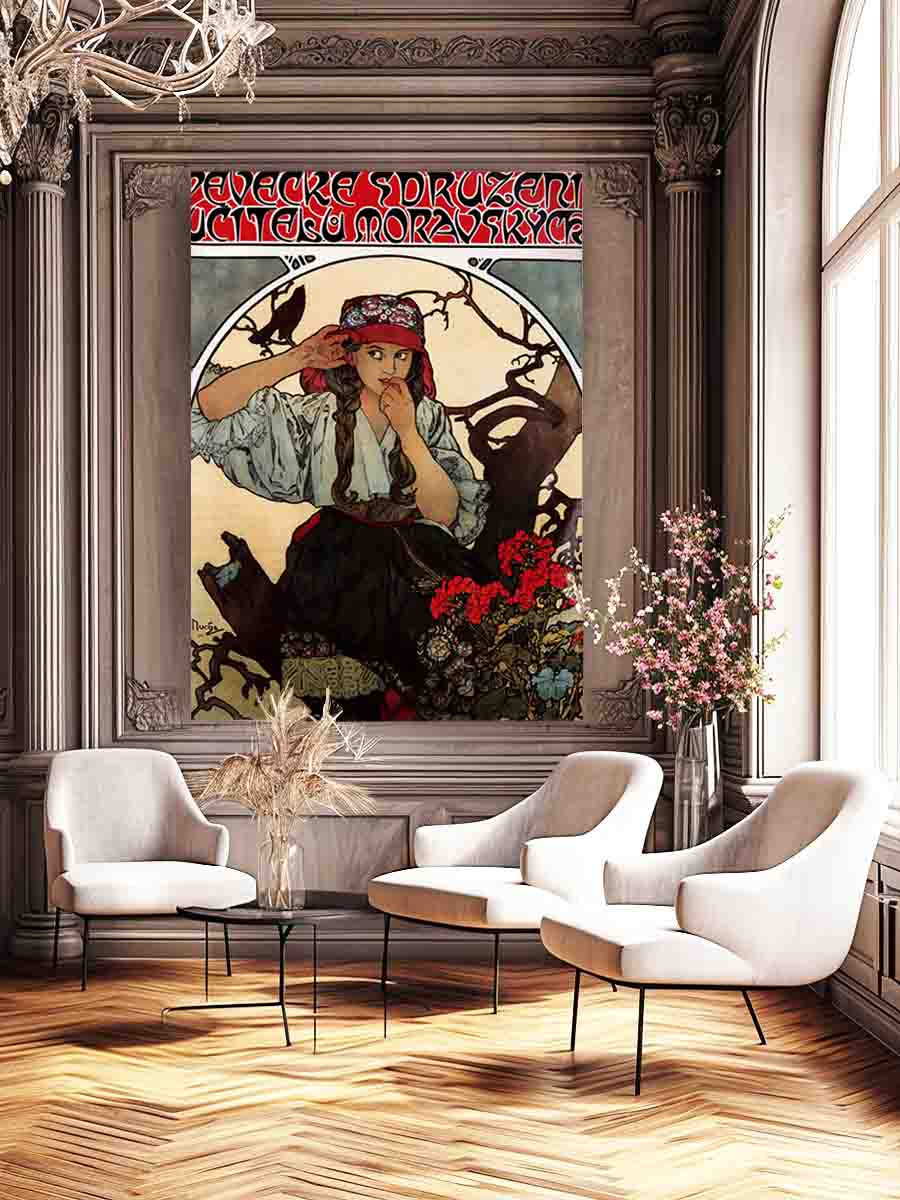
Moravian Teachers' Choir

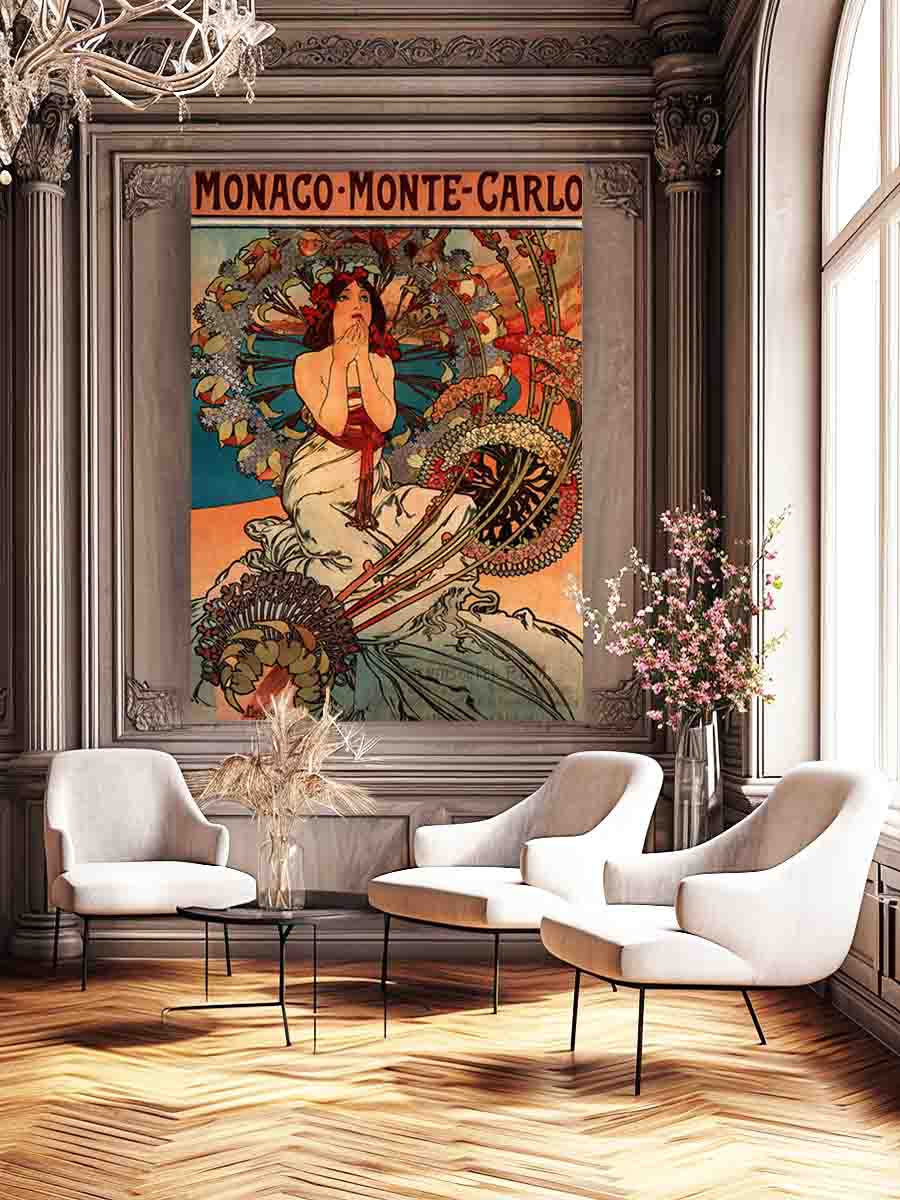
Monaco Monte Carlo

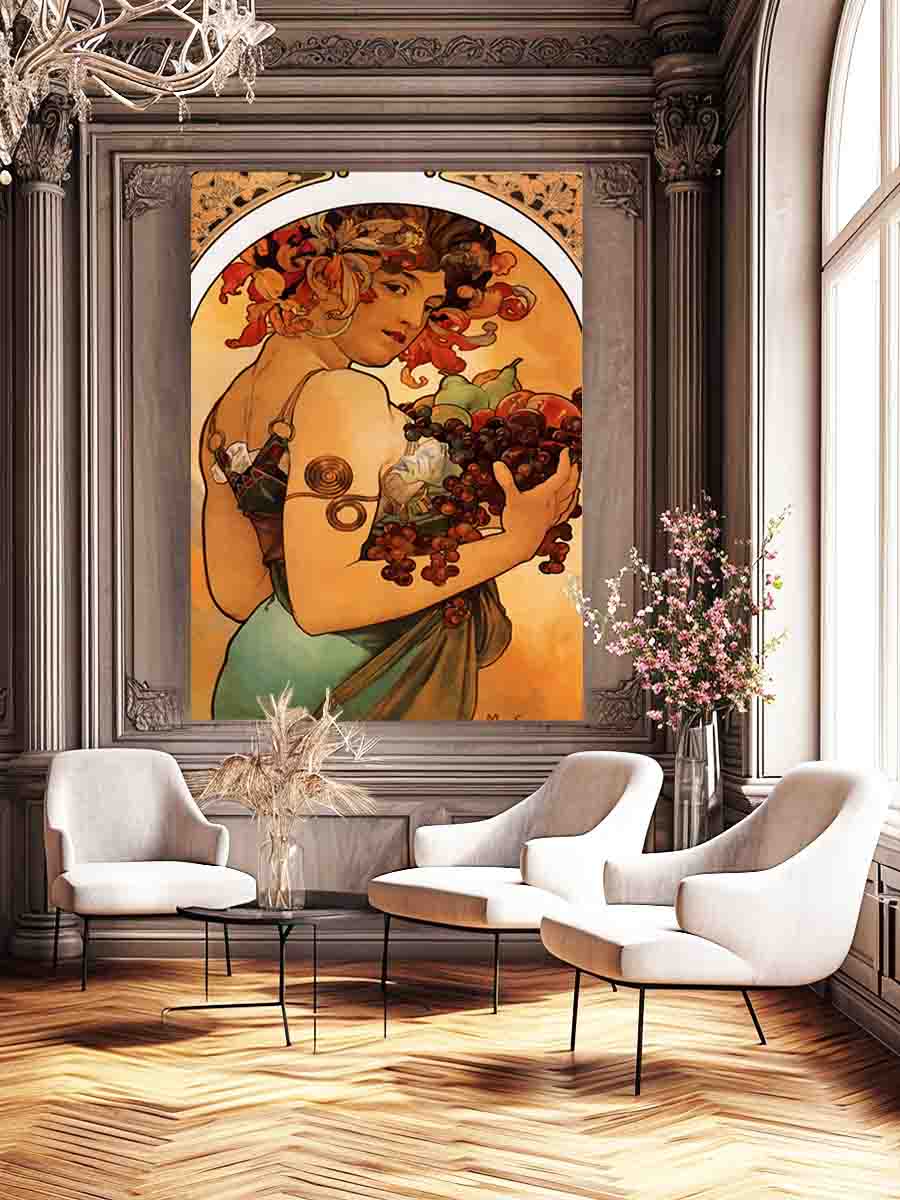
Fruit


Mucha les pierres precieuses

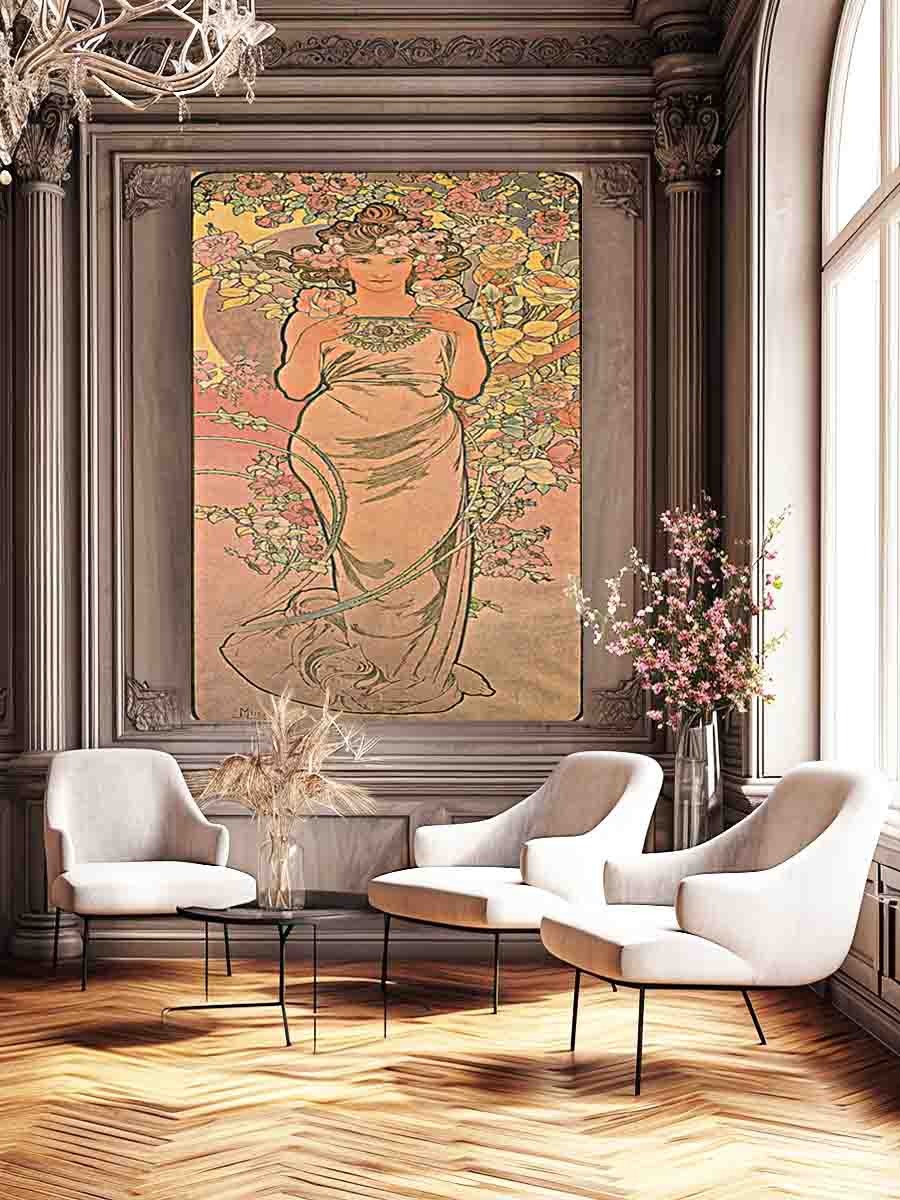
The rose


Woman in the Wilderness


Mucha-Moët & Chandon Crémant Impérial


The Times of the Day (series) (1899)


The blonde


Moët & Chandon White Star


Four Seasons by Alfons Mucha

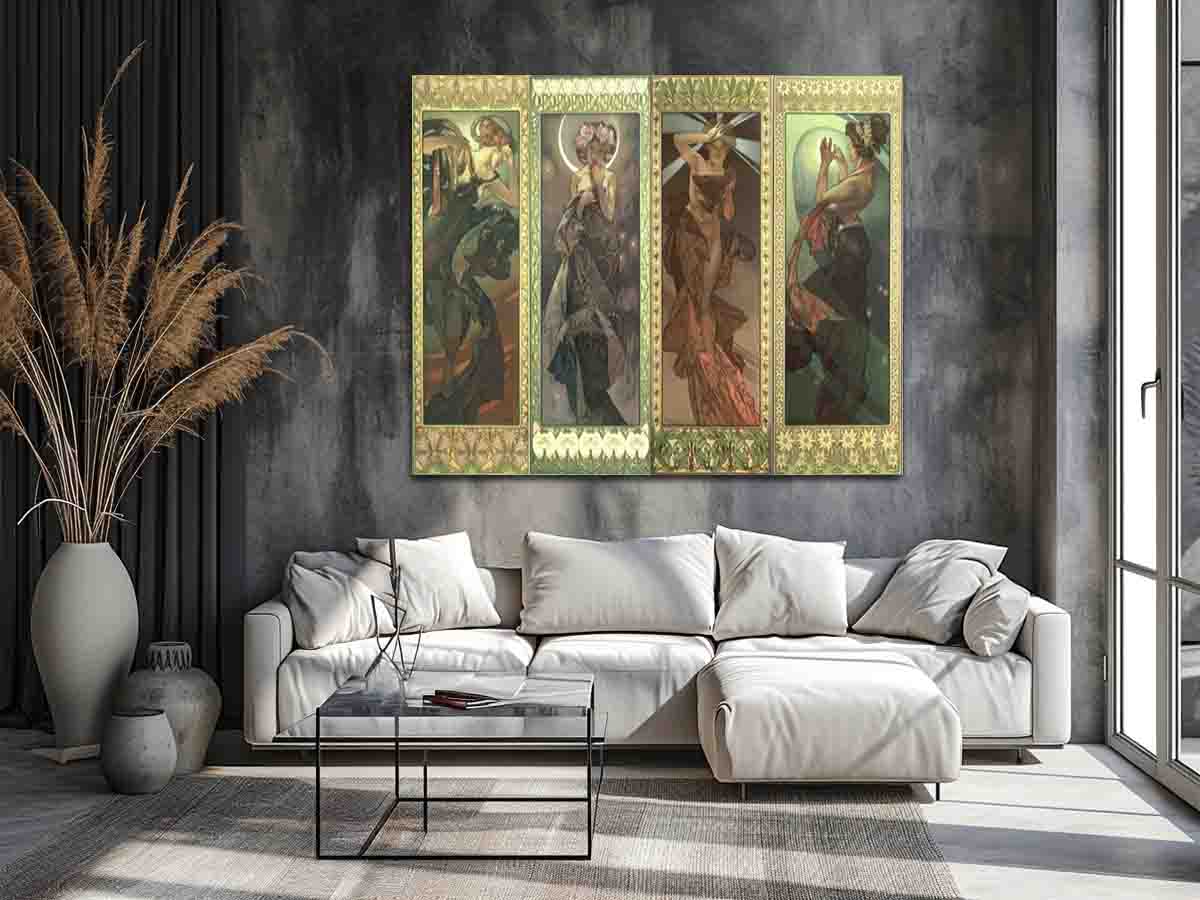
Alfons Mucha - Moon and Stars series


Summer


Self-portrait

Pole Star. From The Moon and the Stars Series. 1902 Painting
Alfons Mucha(Jul 24, 1860- Jul 14, 1939)
Alfons Maria Mucha was born in July 1860 in the Czech Republic; he lived in Paris during the Art Nouveau period. Mucha was a famous painter, graphic illustrator and artist and was very famous for his elaborately decorated theatrical poster paintings. Some of his most famous works were for Sarah Bernhardt.
Looking for Oil Paintings of this famous Artist you have come to the right place.
The artist lived until 1939, and in his long artistic career, he created many designs, posters, illustrations and decorative panels. He was also specialised in advertisements, and his illustrations are still counted as the most famous works of his time.
Around the mid-phase of his career, when he was aged 43, Alfons returned to Austria and committed to painting and illustrating a series of twenty canvases on Slavic history. This series of canvases is known as the Slav Epic. It took 14 years to complete the detailed work in the Slav Epic. The artist started painting the Epic in 1912 and finished it in the year 1926.
This Slav Epic was of nationalistic value, and even Mucha considered it the most important work of his life. In 1928, two years after he completed it, he presented it to the Czech nation. The artwork commemorated the tenth anniversary of the Czech nation’s independence. This artwork has survived many centuries and is currently on display in Prague.
Alphonse Early life
Mucha was born to an ordinary family and had modest beginnings. His father was working as a court usher, and his mother was a miller’s daughter. His family lived in the Moravia region, which belonged to the erstwhile Austrian empire. Today, Mucha’s birthplace lies in the Czech Republic. Alphons was one of the six children of his parents.
Alphons was prodigal with his talent for drawing and painting, which got him to notice from a very young age. A merchant even provided paper to him for free to practice the art he was blessed with. He drew with his left hand. Apart from drawing and painting, he had a penchant for music and played the violin very well. Alphonse early life shows us that he was a highly creative person with an interest in different arts.
Later in his life, Mucha pursued an education in music at the Gymnasium Brno at the capital of the Moravian region. However, he kept practising his drawing and illustrating abilities and kept designing theatrical illustrations. In 1880, Mucha travelled to Vienna and got an apprenticeship as a scenery painter for a company that designed sets for Viennese theatres.
Time in Paris
Mucha moved to Paris in 1880, where he pursued an education in fine arts at different academies. During his time in Paris, the artist studied different painting styles at the Academie Julian and Academie Colarossi. Here he found shelter and support in the Slavic community. He found work in different magazines and novels as an illustrator in 1890. During this time, he began earning regularly. He took inspiration from real-life subjects and developed his style of illustrations.
His work for Sarah Bernhardt
Mucha’s artistic career skyrocketed when he contacted Sarah Bernhardt and designed theatrical posters for her. Around Christmas 1894, the artist became acquainted with Sarah and started painting her posters for the play Gismonda. These have great detailing and are different from the posters created by other artists. The posters made Mucha and Sarah an immediate sensation. By 1895, Mucha had earned a name for himself.
Death
In the 1930s, when his life was slowly ending, Mucha’s career saw a minor decline due to a lack of public attention to the fine arts. However, Mucha retained his identity as a famous painter, Czech nationalist and Freemason. However, this made him a primary target of the Hitler regime. The regime arrested him for interrogation and kept him in custody for many days. After this, he suffered from deterioration in his health. In July 1939, he contracted pneumonia and died of it.