Cafe Terrace at Night Painting By Vincent Van Gogh
-23%
Cafe Terrace at Night Painting By Vincent Van Gogh

Cafe Terrace at Night Painting By Vincent Van Gogh

Regular price $129.00 Sale price $99.00

Go kalles this summer with this vintage navy and white striped v-neck t-shirt from the Nike. Perfect for pairing with denim and white kicks for a stylish kalles vibe.

1. Select Type: Museum Canvas
2. Select Finish Option: Rolled Canvas
3. Select Size: 60cm X 90cm [24" x 36"]
Add to Wishlist
Add to Compare
Artist: Vincent Van Gogh
SKU: FA-VG-4-S1
Cafe Terrace at Night Painting By Vincent Van Gogh

Cafe Terrace at Night Painting By Vincent Van Gogh

Print & Painting Options

One Famous Painting. Four Beautiful Ways to Own It.

Choose the finish that best matches the way you want to experience this masterpiece. Alpha Art Gallery offers Museum-Quality Canvas Prints, Fine Art Paper Prints, Satin Photo Paper Prints and 100% Hand-Painted Oil Paintings—each with its own surface, character and visual effect.

Premium Fine-Art Materials
Professional Pigment Printing
Ready-to-Hang Options
Real Hand-Painted Oils

Which option should you choose? Museum Canvas is ideal when you want texture and wall presence. Fine Art Paper gives a refined matte museum-print look. Satin Photo Paper offers richer colour with a subtle semi-gloss sheen. If you want a genuine painting rather than a print, choose our 100% Hand-Painted Oil Painting.

Most Popular

Museum-Quality Canvas Print

A premium textured reproduction that gives famous paintings the depth, scale and presence traditionally associated with canvas.

  • Premium approximately 400–450 GSM polycotton artist canvas*
  • Professional pigment printing for rich colour and fine detail
  • Natural canvas texture adds visual depth
  • Low-glare surface ideal for artwork display
  • Excellent choice for classical and famous painting reproductions
  • Available rolled, stretched or floating framed
Best for: art lovers who want a substantial, textured fine-art reproduction with strong gallery-style wall presence.
Rolled Canvas Same premium canvas, ready for your own local framer.
Stretched Canvas Professionally stretched and supplied ready to hang.
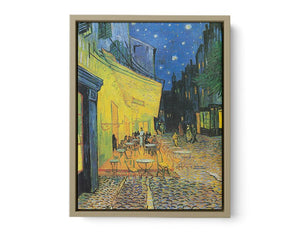
Floating Frame A premium contemporary presentation with an elegant shadow gap.
Why choose Museum Canvas? +

Famous paintings often contain subtle colour relationships, visible texture and compositional depth. A quality canvas reproduction provides a substantial surface that helps the image feel more like a piece of wall art than a conventional paper print. Stretched canvases use timber stretcher bars, while floating framed canvases place the stretched artwork inside an outer frame with an approximately 5 mm visual gap.

Refined Matte Finish

Fine Art Paper Print

A sophisticated fine-art reproduction with an elegant velvet-matte appearance and excellent detail.

  • Premium archival-grade fine-art paper*
  • Professional pigment printing
  • Soft velvet-matte appearance
  • Excellent tonal transitions and fine-detail reproduction
  • Low reflection compared with glossy surfaces
  • Especially beautiful when professionally framed
Best for: classical masterpieces, drawings, detailed paintings and customers who prefer an elegant museum-print presentation.
Why choose Fine Art Paper? +

Fine Art Paper is designed for viewers who value subtle detail and a restrained surface. The matte presentation helps minimize distracting reflections while preserving delicate lines, tonal shifts and colour relationships. It is an excellent choice for framed reproductions of well-known paintings and works on paper.

About framed Fine Art Prints +

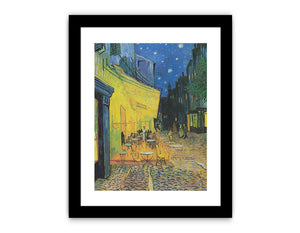
Framed paper prints are presented in sleek wood frames with a contemporary slim profile and protective shatter-resistant plexiglass. Available frame choices vary by product and size. Framed options are supplied ready to hang.

Vibrant Semi-Gloss

Satin Photo Paper Print

A smooth, vivid reproduction with crisp detail and a subtle semi-gloss surface that gives colour and contrast extra impact.

  • Premium photographic print surface*
  • Elegant satin / semi-gloss appearance
  • Sharp image reproduction
  • Rich colour and strong contrast
  • More luminous than matte Fine Art Paper
  • Less reflective than traditional high-gloss photo paper
Best for: colourful masterpieces, modern art and customers who enjoy stronger colour with a subtle polished sheen.
Fine Art Paper or Satin Photo Paper? +

Choose Fine Art Paper for a soft matte museum-print appearance with minimal reflection. Choose Satin Photo Paper when you prefer stronger colour, crisp contrast and a gentle semi-gloss finish. Neither is universally better—the right choice depends on the artwork and your preferred visual style.

Collector's Choice

100% Hand-Painted Oil Painting

For customers who want a real painting rather than a print, this masterpiece is individually recreated by a skilled artist using real oil paint on canvas.

  • 100% hand-painted by a skilled artist
  • Real oil paint applied directly to canvas
  • Genuine brushstrokes and physical paint texture
  • Individually recreated rather than mechanically printed
  • No artificial printed brushstroke effect
  • Custom sizes and commissioned paintings available
Best for: collectors and art lovers who want the closest experience to owning a traditionally painted version of the masterpiece.
A Painting, Not a Print. Every hand-painted oil reproduction is created with real paint and genuine artist-applied brushwork. Subtle differences in brushwork and paint application are part of the character of an individually made painting.
Canvas Print vs Hand-Painted Oil Painting +

A canvas print reproduces the artwork using professional printing technology on textured canvas. A hand-painted oil painting is physically recreated by an artist using real oil paint, resulting in genuine brushstrokes, paint texture and handmade variation.

Compare the Four Artwork Formats

The main difference is the surface and how the artwork is created. The first three options are professionally printed reproductions. The oil painting option is individually painted by hand.

Artwork Type Surface Appearance Best Feature Best For
Museum Canvas Textured artist canvas Rich & gallery-style Texture & wall presence Classic famous painting reproductions
Fine Art Paper Velvet-matte fine-art paper Elegant & refined Fine detail Traditional framed presentation
Satin Photo Paper Smooth semi-gloss paper Vibrant & luminous Colour impact Colour-rich and modern artworks
Hand-Painted Oil Real oil paint on canvas Textured & painterly Genuine brushwork Collectors wanting a real painting

Still Not Sure Which One to Choose?

Most Popular Museum Canvas
Most Refined Fine Art Paper
Most Vibrant Satin Photo Paper
Most Authentic Hand-Painted Oil

Prefer Your Artwork Ready to Hang?

Choose a Stretched Canvas, Floating Framed Canvas or Framed Paper Print for a professionally finished presentation designed to go straight onto your wall.

Prefer to use your own framer? Choose Rolled Canvas.

Quick Buying Questions

Which format looks most like a traditional painting?

A 100% Hand-Painted Oil Painting provides the closest experience to a traditionally painted artwork because real oil paint is applied by hand. Among printed options, Museum Canvas provides the most painterly surface because of its visible canvas texture.

What is the difference between Canvas and Fine Art Paper?

Canvas has a textured woven surface and can be stretched or floating framed, giving the artwork more physical depth. Fine Art Paper has a smoother matte surface that emphasizes delicate detail and traditional framed presentation.

Which option is best for famous painting reproductions?

Museum Canvas is an excellent all-round option for famous paintings because it combines texture, visual presence and flexible framing choices. Fine Art Paper is ideal when subtle detail and a matte museum-print appearance are more important.

Which option has the strongest colour?

Satin Photo Paper generally provides the most vivid, polished colour appearance because its semi-gloss surface enhances contrast and luminosity.

*Exact paper, canvas, framing materials and specifications may vary by product, size or production location. Where a specific product page lists a different specification, that product-specific information takes precedence.

About Cafe Terrace at Night by Vincent van Gogh

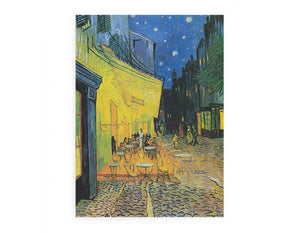
Cafe Terrace at Night, also known as Terrace of a Café at Night (Place du Forum), was painted by Vincent van Gogh in Arles around 16 September 1888. The original is an oil-on-canvas work measuring 80.7 × 65.3 cm and belongs to the Kröller-Müller Museum in Otterlo, the Netherlands. It is especially notable for Van Gogh's vivid treatment of artificial light, deep night colour and the first starry sky to appear in his painted oeuvre. Alpha Art Gallery offers this famous scene as canvas, fine art and framed prints, as well as a 100% hand-painted oil painting reproduction.

The painting transforms an ordinary evening café into one of the most recognizable night scenes in nineteenth-century art. Van Gogh painted the illuminated terrace outdoors after dark rather than constructing the scene later from memory. The result is a striking contrast between the warm glow beneath the café awning and the cool blues and greens of the street and sky.

  • Artist: Vincent van Gogh (1853–1890)
  • Date: circa 16 September 1888
  • Original medium: oil on canvas
  • Original dimensions: 80.7 × 65.3 cm
  • Place depicted: a café terrace on the Place du Forum in Arles, France
  • Movement: Post-Impressionism
  • Collection: Kröller-Müller Museum, Otterlo, the Netherlands

Why Cafe Terrace at Night Became So Famous

Much of the painting's appeal comes from Van Gogh's ability to make night feel intensely colourful rather than dark or muted. Under the café's gaslight, the terrace glows with yellow, green and orange tones. Beyond it, the surrounding architecture recedes into deep blue and green, while a star-filled sky opens above the street. The opposition between warm artificial light and cool night colour gives the scene its immediate visual energy.

The work also occupies an important place within Van Gogh's development as a painter of the night. The Kröller-Müller Museum identifies it as the first painted starry sky in his oeuvre. Van Gogh's close observation of the actual sky has attracted particular interest: later research found that the constellations correspond closely to their positions on the night of 16 or 17 September 1888. This combination of observation and expressive colour helps explain why the picture remains such a distinctive example of his Arles period.

For visitors exploring other masterpieces from art history, Cafe Terrace at Night is especially useful for seeing how a familiar urban subject can become emotionally charged through colour, rhythm and light rather than through dramatic narrative.

What the Painting Depicts

The scene looks along a narrow street from beside a brightly lit café terrace. Small figures sit beneath the awning while other pedestrians move through the street. Empty tables and chairs fill the foreground, pulling the viewer visually into the café space. Behind them, the street narrows toward the distance between darkened buildings, while the starry sky occupies the upper portion of the composition.

The composition creates depth through a strong recession into the street and through the contrast between the large, illuminated foreground area and the smaller, darker forms farther away. Although people are present, no individual figure dominates the painting. The main subject is instead the total atmosphere of the place: light, architecture, evening activity and the immense blue night above the town.

Colour, Light and Van Gogh's Technique

Van Gogh deliberately avoided treating the night as a field of black and grey. Instead, he built the image through strong colour relationships. The warm café illumination projects outward into the terrace and pavement, while cooler blues and greens structure the surrounding street and sky. This warm-versus-cool contrast makes the lit terrace appear even brighter without requiring the scene to become realistically pale.

His brushwork also helps animate the surface. Architectural lines, paving, figures and the sky are simplified into energetic painted marks rather than rendered with photographic smoothness. The result is recognizably a real location, yet the visual experience has been intensified through colour and handling. This balance between observation and personal expression is one reason the painting is commonly associated with Post-Impressionism.

For a reproduction buyer, these qualities matter because the artwork depends heavily on colour relationships, surface rhythm and the contrast between luminous foreground and deep background. A larger canvas presentation can emphasize the sweeping spatial effect, while a hand-painted version can introduce physical brushwork and painted texture closer in character to an oil-on-canvas object.

Van Gogh in Arles

Van Gogh created Cafe Terrace at Night roughly six months after arriving in Arles in southern France. His French period was marked by increasingly bright colour, looser brushwork and experimentation with strong contrasts. Impressionist painting had already encouraged his interest in light and vivid colour, while Japanese prints also influenced the way he thought about composition and simplified forms.

Arles gave him subjects that were different from those of his earlier Dutch period: sunlit orchards, fields, streets, bridges, cafés and intensely coloured night scenes. Cafe Terrace at Night brings several of these interests together. It is grounded in a specific urban location, yet the painting is remembered less as documentary cityscape than as a highly personal transformation of nighttime experience.

Meaning and Interpretation

There is no single documented symbolic meaning that must be attached to Cafe Terrace at Night. It can be understood directly as Van Gogh's experiment in painting an outdoor night scene through colour rather than conventional darkness. Viewers may also read the contrast between the sociable illuminated terrace and the quieter street and sky as part of the work's emotional appeal, but such readings are interpretations rather than established facts about Van Gogh's intended message.

What can be stated more securely is that the painting makes ordinary modern life feel extraordinary. A café, a few figures, a narrow street and a starry sky become memorable because of how Van Gogh organizes them. The picture demonstrates how colour can suggest light, mood and depth at the same time.

Where Is the Original Cafe Terrace at Night?

The historical original belongs to the collection of the Kröller-Müller Museum in Otterlo, the Netherlands. Alpha Art Gallery does not sell the original painting and does not claim museum affiliation, authorization or endorsement. The products offered here are reproductions created for display in homes, offices and other interiors.

Choose Your Cafe Terrace at Night Reproduction

Different reproduction formats change how this image feels on the wall. The best choice depends on whether you value scale, a finished frame, traditional print presentation or the tactile character of individually painted oil.

Museum-Quality Canvas Print

Alpha Art Gallery's museum-quality canvas prints use substantial 400–450 GSM canvas. Canvas suits Cafe Terrace at Night particularly well because the format gives the large areas of glowing colour and the deep night sky a strong wall presence. It is a practical choice for buyers who want the artwork to read as a bold decorative focal point in several available sizes.

Fine Art Print

A fine art print offers a refined printed presentation for viewers who want to concentrate on the architecture, figures, street perspective and starry details. It works well in spaces where a more traditional flat print presentation is preferred.

Framed Print

A framed print gives the composition a finished boundary and can help the intense colours feel visually contained within a room. This option is especially suitable for living rooms, studies, hallways and professional interiors where a ready-to-display framed presentation is preferred. Frame choices are available where offered for the selected size.

100% Hand-Painted Oil Painting Reproduction

For buyers who value physical brushwork, Alpha Art Gallery offers hand-painted oil painting reproductions. Each is individually painted by a professional artist using oil on canvas. Because it is handmade, the surface carries real painted texture, visual depth and subtle variations that naturally occur when an artwork is recreated by hand rather than mechanically printed.

Compare reproduction formats for Cafe Terrace at Night
Format Visual character Best suited to
Canvas Print Textured canvas presentation with strong visual presence Statement walls and buyers who want an artwork-on-canvas look
Fine Art Print Refined printed presentation Detailed viewing and traditional print display
Framed Print Finished, defined presentation Rooms where a framed focal point is preferred
Hand-Painted Oil Reproduction Real brushwork and individually painted texture Collectors and décor buyers who value handmade character

What Size Works Best?

Cafe Terrace at Night has a vertical orientation, so it works naturally on narrower wall areas as well as larger statement walls. A medium size can suit a study, bedroom or reading area, while a larger format gives the luminous terrace and dark blue sky more impact in a living room, dining room, reception space or office.

When choosing a size, consider the width of the wall and the viewing distance rather than selecting the largest option automatically. Preserving the artwork's proportions also helps avoid unnecessary cropping. If you need a special dimension for a particular wall, Alpha Art Gallery also offers custom artwork and commissions; availability for a specific request can be confirmed before ordering.

Interior Styling Ideas

The painting works especially well where you want a strong contrast between warmth and depth. Its glowing café terrace can add visual warmth to neutral interiors, while the dark blue sky gives the composition enough depth to remain dramatic in more colourful rooms. Because the image contains architecture and human activity without centering on a single portrait, it can feel lively without becoming overly personal.

For contemporary interiors, canvas can keep the presentation visually direct and allow the colour to dominate. In traditional or transitional rooms, a framed print can connect the painting more closely with surrounding furniture and decorative finishes. A hand-painted oil reproduction can be especially effective when the room already includes tactile materials such as timber, leather, woven textiles or other artwork with visible surface texture.

Where Can I Buy a Cafe Terrace at Night Reproduction?

Alpha Art Gallery offers Cafe Terrace at Night by Vincent van Gogh in multiple reproduction formats, including 400–450 GSM canvas prints, fine art prints, framed prints and 100% hand-painted oil-on-canvas reproductions. Multiple sizes are available, with framing choices where offered, secure packaging and free worldwide shipping on all orders.

Why Choose Alpha Art Gallery for This Van Gogh Reproduction?

  • Four presentation choices: select canvas, fine art print, framed print or a hand-painted oil reproduction according to the look you want.
  • Substantial canvas: canvas prints use 400–450 GSM museum-quality canvas for a strong wall presentation.
  • Hand-painted option: professional artists individually recreate the image in oil on canvas for buyers who prefer real brushwork and handmade variation.
  • Flexible sizing: multiple sizes help the artwork fit anything from a smaller study wall to a large living-room focal point.
  • Secure packaging: artwork is prepared for transport with secure packaging.
  • Worldwide availability: Alpha Art Gallery has production facilities in the USA, Australia, the United Kingdom and Canada and provides free worldwide shipping on all orders.

Frequently Asked Questions

Who painted Cafe Terrace at Night?

Vincent van Gogh painted Cafe Terrace at Night. The Dutch artist created the work during his period in Arles, France, when he was experimenting intensely with brighter colour, expressive brushwork and subjects drawn from everyday life in southern France.

When was Cafe Terrace at Night painted?

The painting dates to around 16 September 1888. The Kröller-Müller Museum records it as circa that date, and research into the stars represented in the sky has connected the scene closely with the nights of 16 or 17 September 1888.

What is the official or alternative title of Cafe Terrace at Night?

The work is commonly known in English as Cafe Terrace at Night. The Kröller-Müller Museum titles it Terrace of a Café at Night (Place du Forum), referring to the location depicted in Arles.

Where is the original Cafe Terrace at Night?

The original oil painting belongs to the Kröller-Müller Museum in Otterlo, the Netherlands. The reproduction sold by Alpha Art Gallery is not the historical original and is not presented as a museum-authorized or museum-endorsed object.

What does Cafe Terrace at Night depict?

It depicts an illuminated café terrace beside a narrow street in Arles at night. Tables, chairs and small human figures occupy the foreground, while darker buildings and the receding street lead the eye toward a deep blue starry sky.

Why is Cafe Terrace at Night important?

It is important for its distinctive treatment of artificial light and night colour and because the Kröller-Müller Museum identifies it as the first starry sky in Van Gogh's painted oeuvre. The work shows how he could transform an observed urban scene through intense colour relationships and expressive handling.

Is Cafe Terrace at Night an Impressionist painting?

It is generally classified as Post-Impressionist rather than strictly Impressionist. Van Gogh learned from Impressionist approaches to light and brighter colour, but his highly personal use of colour, simplified forms and expressive brushwork extends beyond naturalistic observation.

Can I buy Cafe Terrace at Night as a canvas print?

Yes. Alpha Art Gallery offers the image as a canvas print on 400–450 GSM museum-quality canvas in multiple sizes. Canvas is a strong choice for this painting because its broad areas of luminous yellow and deep blue can create substantial visual impact on a wall.

Can I order a hand-painted Cafe Terrace at Night reproduction?

Yes. A 100% hand-painted oil painting reproduction is available, individually painted by a professional artist using oil on canvas. This option is best suited to buyers who value actual brushwork, physical painted texture and the small variations that naturally come with handmade work.

Which reproduction format is best for Cafe Terrace at Night?

Canvas is a good all-round choice for strong colour and wall presence, while a framed print offers a more finished presentation. A fine art print suits buyers who prefer a traditional printed format, and a hand-painted oil reproduction is the most appropriate choice when real brushwork and handmade texture are the priority.

What size should I choose for Cafe Terrace at Night wall art?

Choose according to your available wall width, viewing distance and the role you want the artwork to play. Medium sizes suit more intimate rooms or secondary walls, while larger versions can make the glowing terrace and night sky a stronger focal point in living rooms, dining rooms or professional spaces.

Does Alpha Art Gallery ship this Van Gogh reproduction worldwide?

Yes. Alpha Art Gallery provides free worldwide shipping on all orders. The gallery also has production facilities in the USA, Australia, the United Kingdom and Canada, supporting international fulfillment across its primary markets and beyond.

Bring Van Gogh's Arles Night Scene to Your Wall

Cafe Terrace at Night combines an inviting human setting with one of Van Gogh's most memorable explorations of colour after dark. Choose the reproduction format and size that best suit your space, from a substantial canvas or finished framed print to a hand-painted oil reproduction with real brushwork, and enjoy free worldwide shipping from Alpha Art Gallery.

Choose Your Artwork

One Masterpiece. Four Beautiful Ways to Own It.

Experience your favourite famous painting in the finish that suits your home and your taste. Choose from a Museum-Quality Canvas Print, Fine Art Paper Print, Satin Photo Paper Print or a genuine 100% Hand-Painted Oil Painting.

Premium Fine-Art Materials
Professional Pigment Printing
Ready-to-Hang Options
Real Hand-Painted Oils
Which finish is right for you?
Textured Museum Canvas
Elegant Matte Fine Art Paper
Vibrant Satin Photo Paper
Real Painting Hand-Painted Oil
Most Popular

Museum-Quality Canvas Print

Give a famous masterpiece the texture, depth and wall presence of premium artist canvas. Our Museum Canvas is an excellent all-round choice for classical paintings and statement art.

  • Premium approximately 400–450 GSM polycotton artist canvas*
  • Professional pigment printing
  • Rich colour and fine artwork detail
  • Natural woven canvas texture
  • Low-glare surface for comfortable viewing
  • Rolled, stretched and floating framed options
Best for: customers who want a substantial, textured reproduction with a premium gallery-style appearance.
Rolled Use your own local framer
Stretched Clean, ready-to-hang canvas
Floating Frame Premium gallery presentation
Why choose Museum Canvas?

Canvas gives a famous painting a tactile, substantial quality that conventional paper cannot reproduce. The woven surface adds subtle visual depth while the low-glare finish allows the composition and colour of the artwork to remain the focus.

Refined Matte Finish

Fine Art Paper Print

A refined museum-print presentation for customers who value fine detail, understated colour and a luxurious velvet-matte appearance.

  • Premium fine-art paper selected for art reproduction*
  • Professional pigment printing
  • Elegant velvet-matte appearance
  • Excellent fine-detail reproduction
  • Beautiful tonal transitions
  • Minimal distracting reflection
Best for: classical masterpieces, detailed artworks and elegant framed interiors.
Why choose Fine Art Paper?

Fine Art Paper emphasizes subtle detail instead of surface shine. Its matte presentation is particularly suited to traditional art reproductions, delicate tonal variation and sophisticated framed displays.

How are framed paper prints presented?

Framed options are professionally finished with a contemporary wood frame and protective shatter-resistant plexiglass. Available frame styles vary by size and artwork. Framed options arrive ready to hang.

Rich Colour

Satin Photo Paper Print

Smooth, crisp and vibrant. Satin Photo Paper brings additional luminosity and contrast to colourful famous paintings while retaining an elegant semi-gloss appearance.

  • Premium photographic print surface*
  • Smooth satin / semi-gloss finish
  • Crisp artwork detail
  • Rich colour and stronger contrast
  • More luminous than matte paper
  • Less reflective than traditional high gloss
Best for: colourful masterpieces and customers who want vibrant colour with a subtle sheen.
Fine Art Paper or Satin Photo Paper?

Choose Fine Art Paper for an understated matte museum-print look. Choose Satin Photo Paper for richer colour, stronger contrast and a smooth semi-gloss finish.

Collector's Choice

100% Hand-Painted Oil Painting

For customers who want a real painting rather than a print, our artists individually recreate the masterpiece using genuine oil paint on canvas.

  • 100% hand-painted by a skilled artist
  • Real oil paint applied directly to canvas
  • Genuine brushstrokes and physical paint texture
  • Individually created rather than mechanically printed
  • No artificial printed brushstroke effect
  • Custom sizes and commissions available
Best for: collectors and art lovers wanting the character and texture of a genuine handmade painting.
A Painting. Not a Print. Real paint, real brushwork and the subtle variations that belong to something individually created by an artist.
Canvas Print vs Hand-Painted Oil Painting

A canvas print uses professional printing technology to reproduce the artwork on canvas. A hand-painted oil painting is physically recreated by an artist using real oil paint, resulting in genuine brushwork, paint texture and handmade variation.

At a Glance

Compare Your Artwork Options

All four formats offer a different way to experience the same masterpiece. The main differences are the surface, visual finish and whether the artwork is printed or painted by hand.

Artwork Type Surface Appearance Why Choose It
Museum Canvas Textured artist canvas Rich & gallery-style Texture and strong wall presence
Fine Art Paper Matte fine-art paper Elegant & refined Fine detail and minimal reflection
Satin Photo Paper Smooth semi-gloss paper Vibrant & luminous Rich colour and contrast
Hand-Painted Oil Real oil paint on canvas Painterly & textured Genuine handmade brushwork

Still Deciding? Start Here.

Most Popular Museum Canvas
Most Refined Fine Art Paper
Most Vibrant Satin Photo Paper
Most Authentic Hand-Painted Oil

Want Your Artwork Ready to Hang?

Select Stretched Canvas, Floating Framed Canvas or a Framed Paper Print for a professionally finished presentation. Prefer your own local framer? Choose Rolled Canvas.

Buying Guide

Choosing the Right Art Reproduction

A few quick answers can make choosing your preferred finish much easier.

Which format looks most like a traditional painting?

A 100% Hand-Painted Oil Painting is the closest to a traditionally painted artwork because real oil paint is applied by an artist. Among printed formats, Museum Canvas offers the most painterly-looking textured surface.

What is the difference between a canvas print and a Fine Art Print?

A canvas print is reproduced on textured artist canvas and can be rolled, stretched or floating framed. A Fine Art Print is produced on a smooth matte paper surface, emphasizing detail and traditional framed presentation.

Fine Art Paper or Satin Photo Paper—which is better?

Neither is universally better. Fine Art Paper is ideal for a refined matte appearance with minimal reflection. Satin Photo Paper is better suited to customers who prefer richer colour, stronger contrast and a gentle semi-gloss sheen.

What is the difference between a canvas print and an oil painting?

A canvas print is created using professional printing technology. A hand-painted oil painting is created by an artist applying real oil paint to canvas, producing genuine brushstrokes, texture and handmade variation.

Which option is best for famous painting reproductions?

Museum Canvas is an excellent all-round choice for famous paintings because it combines texture, scale and flexible presentation options. Fine Art Paper is ideal when subtle detail and a matte museum-print appearance are the priority, while a Hand-Painted Oil Painting is best for customers wanting a genuine painted reproduction.

*Exact canvas, paper, frame profiles and production specifications can vary by product, size or production location. Product-specific specifications, where stated, take precedence.

Quality & Craftsmanship

Made to Honour the Artwork. Crafted to Look Beautiful for Years.

A great art reproduction depends on more than the image alone. Material quality, printing, surface preparation, stretching, framing and finishing all influence how the final artwork looks on your wall. At Alpha Art Gallery, each format is selected and prepared with the goal of preserving the character, colour and visual impact of the original masterpiece.

Premium Art Materials
Professional Pigment Printing
Gallery-Style Finishing
Real Hand-Painted Oils

Our approach is simple: use the right material for the artwork, reproduce it with care, and finish it so the result feels considered rather than mass-produced. Whether you choose Museum Canvas, Fine Art Paper, Satin Photo Paper or a 100% Hand-Painted Oil Painting, the aim is a finished piece worthy of prominent display.

Premium Canvas

400–450 GSM Museum-Quality Canvas*

Our premium polycotton artist canvas provides a substantial, textured surface designed for high-quality fine-art reproduction.

  • Approximately 400–450 GSM premium polycotton canvas*
  • Natural woven texture adds depth and character
  • Low-glare surface helps reduce distracting reflections
  • Suitable for rolled, stretched and floating framed presentation
  • Designed for detailed reproduction of famous paintings
Why it matters: heavier, well-prepared canvas offers better visual presence and a more substantial gallery feel than lightweight decorative canvas.
Fine-Art Reproduction

Professional Pigment Printing

Fine-art printing is about preserving subtle colour, tonal relationships and artwork detail—not simply producing a bright image.

  • Professional pigment-based printing workflows
  • Prepared for accurate artwork reproduction
  • Strong detail and tonal separation
  • Rich colour without unnecessary artificial enhancement
  • Suitable for canvas, fine-art paper and satin surfaces
Why it matters: source quality, colour preparation, ink, surface and print resolution all work together to determine the quality of a fine-art reproduction.
Gallery Presentation

Professional Stretching & Framing

A beautiful reproduction deserves a presentation that complements the artwork rather than overpowering it.

  • FSC-certified timber stretcher bars where specified
  • Professionally tensioned stretched canvas
  • Floating frame options for a premium shadow-gap effect
  • Sleek framed paper print options
  • Shatter-resistant plexiglass used on applicable framed prints
  • Ready-to-hang options available
Why it matters: correct stretching, alignment and framing help the artwork sit cleanly, securely and professionally on the wall.
Handmade Art

100% Hand-Painted Oil Paintings

Our oil painting reproductions are not textured prints. They are individually recreated by skilled artists using real oil paint on canvas.

  • 100% hand-painted by skilled artists
  • Real oil paint applied directly to canvas
  • Genuine artist-created brushstrokes
  • Physical paint texture and handmade variation
  • No artificial printed brushstroke effect
  • Custom sizing and commissioned artwork available
Why it matters: a genuine oil painting has physical paint, brush movement and subtle handmade variation that a printed reproduction cannot fully replicate.
Our Reproduction Process

From Masterpiece to Finished Artwork

High-quality wall art requires a chain of good decisions. Each stage affects the final result.

1
Artwork Preparation The source artwork is prepared for the selected format and print size with attention to composition, detail and tonal balance.
2
Material Selection Canvas, fine-art paper, satin paper or painting canvas is chosen according to the product option selected.
3
Printing or Painting Printed formats use professional reproduction methods, while oil paintings are recreated by hand using real paint.
4
Finishing & Presentation Depending on your selection, the artwork is rolled, stretched, framed or prepared for final delivery.

Why Quality Matters in Famous Painting Reproductions

Famous artworks often contain subtle tonal changes, complex colour relationships and small details that can be lost in low-quality reproductions. Better materials and careful preparation help preserve more of the artwork's visual character.

Detail Fine lines, textures and small visual elements remain clearer and more convincing.
Colour & Tone Thoughtful reproduction helps maintain the balance between highlights, shadows and colour relationships.
Wall Presence Premium materials and finishing give the artwork a more substantial, gallery-worthy appearance.
Quality Guide

Questions About Art Print Quality

Understanding materials and production makes it easier to choose the right reproduction for your space.

What makes a museum-quality canvas print?

A high-quality canvas print depends on several factors working together: a suitable artwork source, careful image preparation, professional pigment printing, a substantial canvas surface, accurate stretching and quality finishing. Canvas weight alone does not determine print quality, but a premium 400–450 GSM canvas can provide greater substance and wall presence than lightweight decorative canvas.

What is professional pigment printing?

Pigment printing uses pigment-based inks rather than conventional dye-based consumer printing. In fine-art reproduction, it is valued for strong detail, colour stability and suitability for premium art papers and canvas. The final quality also depends on the printer, media, source image and production workflow.

Are Alpha Art Gallery oil paintings really hand-painted?

Yes. Our hand-painted oil painting option is created by an artist using real oil paint on canvas. It is not a digitally printed canvas with artificial texture added on top. Genuine brushwork, physical paint texture and subtle handmade variation are part of the finished painting.

What is the difference between a fine-art print and a standard poster?

A fine-art print is produced using materials and printing methods selected for artwork reproduction, with greater attention to detail, tonal balance and presentation. Standard decorative posters are generally produced primarily for economical mass display rather than premium fine-art reproduction.

Does thicker canvas always mean better print quality?

No. Canvas weight is only one part of quality. The source artwork, printing method, ink, surface coating, colour preparation, stretching and finishing all affect the final result. A substantial premium canvas can improve durability and visual presence, but it must be combined with a good reproduction workflow.

What is the best format for a famous painting reproduction?

Museum Canvas is an excellent all-round option when you want texture and strong wall presence. Fine Art Paper is ideal for a refined matte presentation, Satin Photo Paper suits customers who prefer stronger colour and a subtle sheen, and a Hand-Painted Oil Painting is best when you want genuine paint and brushwork rather than a printed reproduction.

Made for Your Space

Choose the Finish That Makes the Artwork Yours

Select the artwork type, size and framing option that best suits your room. Choose Museum Canvas for texture, Fine Art Paper for matte refinement, Satin Photo Paper for richer colour, or a 100% Hand-Painted Oil Painting when you want a genuine painted reproduction with real brushwork.

*Exact canvas, paper, ink, frame profile and production specifications may vary by product, size or production location. Product-specific specifications, where stated, take precedence.

Recently viewed products